
*2* How to build an emergency fund
Why stability starts with money you hope to never use


When putting money away begins feeling normal instead of forced, one clear thought shows up. Where does this saved cash go next? Lots of folks jump straight into stocks, schemes, or things said to multiply fast. Truth is, none of that matters much until something simpler exists. That thing sits quietly in the background - ready for surprises. A stash just for when life shakes hard. This cushion comes before anything else.
A stash for emergencies won’t make you richer. Instead, it guards what you already have. When surprises hit - sudden, costly, and out of sync - it steps in before things spiral. Think of it as a cushion. Stuff happens when least expected, draining both time and money. Life throws curveballs - health problems, broken-down cars, job shifts, surprise bills. These aren’t outliers. Just Tuesday.
Surprise usually comes not from what happens, but how unready someone is. "Unexpected" can trick you - many moments like this could be seen coming, just not when. When things go wrong, that stash of money keeps fear at a distance. It sits there so nerves don’t take over when trouble arrives.
Start by spelling out exactly why the fund exists. Set aside this cash only for must-cover costs. Things like rent, power bills, groceries, doctor visits - stuff you cannot skip. Never dip into it for trips, new gadgets, or anything dressed up as a treat. Tighter limits make it work better. Rules with teeth turn it into something that actually helps.
Mistakes often start when goals blur together. If the emergency fund turns into a general stash, its shield-like purpose fades over time. At first, being clear matters more than how much there is.
What size should the fund reach? Most suggest covering three to six months of must-have costs, not total pay. That difference counts. Needs include only what keeps life steady, whereas earnings might shift without warning. A person earning steady wages and predictable bills might settle at three months. People working freelance gigs, running small businesses, or facing uneven cash flow usually aim higher - six months gives breathing room when uncertainty hits.
Whatever works best in your moment of need - that’s the size to go with. Not every situation demands the same approach, after all. Clarity when pressure hits matters more than following a strict guideline.
A habit of saving grows when effort feels possible. Most put it off, thinking they need luck or a windfall. Instead of waiting, some begin now, even if progress seems slow at first. Each step builds confidence. Over time, tiny actions shape real results. What matters is showing up regularly, not speed.
What counts isn’t how fast you go. Staying steady makes the difference.
Easy to reach when trouble hits - that matters most. Money sits ready, no fees or waiting if things go wrong. Yet too close at hand might tempt quick decisions better left alone. One spot set apart helps, marked clear, thought of differently than regular cash. Keeps it near when needed, just out of reach otherwise. Balance shapes the aim - smooth pull in crisis, small hurdle always else.
Most people miss the mind part of having a buffer saved. Money sitting aside isn’t just stored - it eases tension, sharpens choices. When months of bills are covered, job talks feel different. Offers get weighed slower, calmer. Fear fades when options exist. During shaky markets, hands stay steady because footing stays firm.
Not everyone who saves seems strict - it's just that stress shapes choices. Without constant worry, clear thinking comes quicker. What changes isn’t willpower, but weight lifted.
One day, you might tap into your emergency savings. That moment isn’t a flaw - it shows it's doing what it should. What misses the mark is seeing it as falling short instead of just how money moves. Once things settle again, simply start refilling the balance, bit by bit, free from blame.
What matters most? Staying ready. Trouble shows up uninvited, true. Yet calm follows when plans already exist. Expecting smooth days nonstop - that's the fantasy. The real move: knowing you can handle what comes anyway.
Eventually, this fund forms the base guiding every money choice that follows. Because emergencies are handled, moving toward future targets feels less complicated. When sudden costs won’t derail everything, setting aside cash for growth makes more sense. With immediate worries managed, thinking ahead becomes natural. Stability now opens paths later.
Facing a surprise cost tomorrow - would panic shape your moves, or could you stay steady, thinking clearly? That moment might test more than funds.
About the Creator
Luciman
I believe in continuous personal growth—a psychological, financial, and human journey. What I share here stems from direct observations and real-life experiences, both my own and those of the people around me.
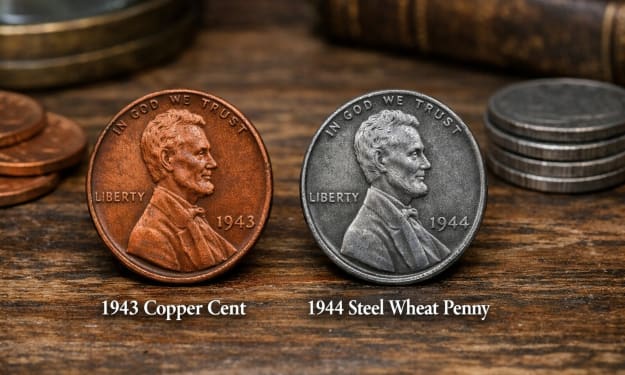
The 1943 Copper Cent vs. The 1944 Steel Penny: How to Spot the Legendary Mistakes
For over eight years as a Senior Numismatic Analyst, few questions ignite the passion of a collector like the legends of the 1943 Copper Cent and the 1944 Steel Penny. These coins represent the most famous mint errors in American history, born from the unprecedented material shifts of World War II. I've examined countless coins brought to me with hope, only to find they were clever counterfeits. The truth is, genuine examples of these errors are extraordinarily rare, but knowing exactly what to look for is the first step from fantasy to fact. This guide will cut through the myths and give you the concrete, professional methods to understand and identify these numismatic legends.
By Laura Bennett7 days ago in Education
But Why Penguin Explained: Viral Meme Meaning & Real Story
Why a Simple Penguin Video Has the Internet in Tears There's a moment that stops you mid-scroll. A penguin, standing alone on an icy shore, watching its partner walk away into the frozen wilderness. The caption reads: "But why?" And suddenly, millions of people around the world feel an unexpected ache in their chest.
By Zayn Naseer7 days ago in Education



Comments
There are no comments for this story
Be the first to respond and start the conversation.