
12 Sample Life Hacks That Can Help You Survive
Survival In Times of Danger

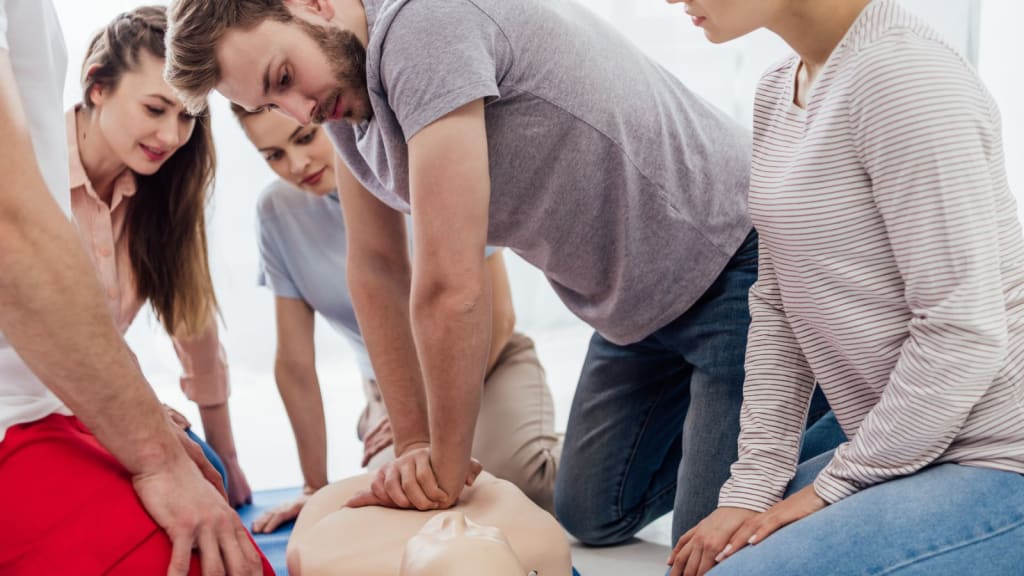
Here are twelve practical life-saving tips for surviving emergency situations. It's important to be cautious about advice, as even well-known recommendations may not always be the best course of action:
Number 12:
Dealing with a foreign object in the eye requires careful attention. If you suspect it is something dangerous, such as a piece of glass, refrain from trying to remove it yourself. Instead, seek immediate medical assistance by having someone drive you to the nearest hospital.
However, if the object seems to be a harmless eyelash, you can follow these steps to safely address the situation:
1. Wash your hands thoroughly before touching your eye to avoid introducing any additional contaminants.
2. Stand in front of a mirror to help you see the eye more clearly.
3. Blink several times, as this may trigger your tears and help flush the eyelash out.
4. Gently check the corners of your eye where the eyelash might have moved.
5. To remove the eyelash, take a clean, wet piece of cloth or a damp cotton swab and use it delicately to sweep the eyelash out.
Remember, if the object doesn't come out easily, or if you experience pain, excessive tearing, or changes in vision, it's essential to seek professional medical attention promptly.
Number 11:
applying ointment to a wound;
"When dealing with a wound, it's important to avoid using ointments as they may trap unwanted moisture, creating an ideal environment for bacteria to thrive and reproduce rapidly. Instead, the best approach is to clean the wound thoroughly with cool water and soap. Afterward, apply a dry bandage to protect the wound. This proper care will promote quicker healing and reduce the risk of infection."
Number 10:
When someone has a fever, it is important not to use alcohol or vinegar to rub their body. This old practice is not only ineffective but also potentially harmful. Both alcohol and vinegar can be absorbed into the bloodstream, leading to intoxication or dangerously raising acidity levels, especially in children. It's crucial to avoid these outdated remedies.
Instead, here are some practical steps to help someone with a fever:
1. Stay hydrated: Encourage the person to drink plenty of water, tea, or other non-alcoholic fluids. Proper hydration is essential during a fever to prevent dehydration.
2. Maintain a comfortable environment: Keep the room temperature between 61 to 64 degrees Fahrenheit (16 to 18 degrees Celsius). This can help the patient feel more comfortable while their body fights off the fever.
3. Monitor the fever: In most cases, fever resolves on its own. However, if the fever persists or worsens, it's essential to seek medical attention. A doctor can assess the situation and provide appropriate treatment if necessary.
Remember, home remedies should be based on reliable and up-to-date medical advice. Avoid using alcohol or vinegar for fever management, and instead, focus on providing comfort and support while the body heals. If any concerns arise, consult a healthcare professional for guidance.
Number 9:
When dealing with an unconscious person, many people think that lifting them up and sprinkling cold water on them is the right course of action. If someone faints, it's essential to handle the situation carefully. Contrary to common belief, lifting a fainted person up may actually worsen the situation by causing muscle spasms. Here's what you should do instead:
1. Keep the person lying down: When someone faints, avoid lifting them up. Instead, lay them down gently on their back to promote blood flow to the brain and reduce the risk of injury.
2. Elevate their legs: Raise the person's legs slightly, preferably about 8 to 12 inches, to help improve blood flow back to the brain and vital organs.
3. Loosen tight clothing: If the person is wearing any tight clothing, unbutton or loosen it to ensure proper circulation.
4. Allow time to recover: Give the person some time to regain consciousness. It's essential to stay calm and keep a watchful eye on them until they come around.
5. Avoid caffeine and energy drinks: After they regain consciousness, it's essential not to let them consume coffee or energy drinks. Caffeine can lead to dehydration, which might worsen the situation.
Remember, it's crucial to seek medical attention if the person doesn't regain consciousness promptly or if they have any underlying health conditions that may have contributed to the fainting episode.
Number 8:
Treating burns with butter or sour cream is a common belief held by many people. It is thought to be effective in relieving pain, but the underlying reason for this effect is often misunderstood. The perception of relief comes from the initial cold sensation when applying these refrigerated products to the burn.
However, it is crucial to be aware that using butter or sour cream on burns can be dangerous. The cold temperature may briefly soothe the pain, but these substances can dry out the skin and disrupt the natural thermal exchange. As a result, heat gets trapped in the deeper layers of the skin, causing further damage and delaying proper healing.
A recommended alternative is to immediately cool the burn by holding it under cool, running water for about 15 minutes. This method helps alleviate pain without harming the skin further.
As for the appearance of blisters on burnt areas of our bodies, it is essential to understand that blisters serve a purpose. They form as a protective layer over the wounded area, guarding it against potential infections. Removing these blisters prematurely can lead to complications and may cause the burn to become infected, delaying the healing process. Therefore, it is advised not to pop or remove blisters and to seek appropriate medical attention for serious burns.
Number 7:
Setting a dislocated joint on your own, especially without professional medical training, is not recommended. Doing so may lead to further injuries and potential legal complications, regardless of how it may be portrayed in movies. The best approach in such situations is to immobilize the injured limb and seek immediate medical attention at a hospital. You can gently bandage the limb in a comfortable position to minimize movement, not only at the site of the possible fracture but also at the two closest joints. Remember, it's crucial to get professional medical help as soon as possible for proper evaluation and treatment.
Number 6:
Applying warmth to a spring: When dealing with a sprained muscle, using a warm cloth is not recommended. Heat can actually intensify the blood flow, leading to more severe swelling in the initial days after the injury. Instead, consider applying a cold pack to reduce inflammation and alleviate pain. Additionally, it's crucial to minimize the use of the affected limb for at least 48 hours to facilitate the healing process.
Number 5:
Making yourself vomit in the case of poisoning is a common misconception, but it is essential to understand that this practice is strictly prohibited. There are several reasons why inducing vomiting is dangerous and not recommended.
Firstly, if the poisonous substance enters the lungs during vomiting, it can cause severe damage to the respiratory system. Secondly, in cases where the poison is a chemical, vomiting can actually worsen the situation by doubling the chance of burning the throat and esophagus.
Moreover, once vomiting starts, it can be challenging to stop, leading to dehydration and potentially more severe health consequences. Therefore, the best course of action when faced with poisoning is to immediately call for medical help and seek assistance from professionals who can provide the appropriate treatment. Always remember that timely action and contacting emergency services are crucial in such situations to ensure the best possible outcome for the affected individual.
Number 4:
If you encounter a situation where you need to rescue a drowning person, keep in mind that the only obstacle is if you don't know how to swim. If you are a competent swimmer, nothing should prevent you from saving the person's life. Approach the drowning person from behind to avoid startling them, as their panic might hinder your rescue efforts.
Once you've reached the person, use a secure grip under their armpits or chin and start moving towards the shore, making sure to keep their head close to your belly to maintain their airway. This technique will help you safely bring the person to safety without endangering yourself or them.
Always prioritize your safety and the safety of the person you're rescuing during any water-related emergency.
Number 3:
"When dealing with objects lodged in wounds, it's essential to exercise caution. While you can remove minor objects like splinters or small glass shards from superficial wounds, never attempt to pull out objects from serious wounds. Even doctors prefer to keep such objects in place until the patient is in surgery, as it helps control bleeding. It is crucial to refrain from any intervention without professional supervision. Avoid touching the object and refrain from trying to be a hero. Instead, seek immediate medical attention at a hospital.
If it's a minor object like a splinter, you can clean the wound with alcohol, but be prepared for some discomfort. However, for more significant injuries, it's best to let trained medical professionals handle the situation and ensure proper care and treatment."
Number 2:
Using ice to treat a bruise is generally effective, but it's essential to apply it correctly to avoid any potential harm. Never apply ice directly to the skin, as this can lead to a cold burn. Instead, place a cloth or towel between your skin and the ice pack to create a barrier.
Even with a cloth, there is still a risk of getting burnt, so it's crucial to follow the 20-minute rule. Apply ice for a maximum of 20 minutes at a time, and then take a break of at least 90 minutes before reapplying. This helps prevent any cold-related injuries.
If you don't have a cloth or barrier available, it's best to avoid using ice altogether. It's better to deal with the bruise than risk a cold burn.
One more thing to keep in mind is that using ice beyond 48 hours after the injury might not be very beneficial. At that point, the healing process is usually well underway, and ice might not offer significant benefits.
Lastly,
Using stitches to close wounds is a common and often necessary practice. However, it's essential to acknowledge that stitches can be a lengthy and painful procedure, and they need to be removed once the wound heals. Thankfully, there is an alternative approach that may be less invasive and more comfortable: skin glue.
Skin glue is a quick and virtually painless method to close wounds. To use it effectively, start by washing the wound with cold water. Then, apply pressure to stop the bleeding and carefully bring the edges of the wound together. Next, apply the skin glue along the wound to seal it.
Of course, if the wound appears to be large or severe, it's best not to take any risks and seek professional medical help at a hospital.
If you found this information helpful, please share it to others. Also, feel free to share your own first-aid stories. By spreading this knowledge, you can help others be prepared and informed about what to do when someone requires assistance.
About the Creator
Makim Piodos
Im just a simple writer and informer, born with a world of imagination. and ill be using my gift for crafting compelling narratives to transport readers to far-off lands and deeper emotional realms.
Keep reading
More stories from Makim Piodos and writers in Education and other communities.
And Now We Know How Easter Island Giants Were Moved
For centuries, the Easter Island giant heads, known as the moai statues, have captivated people worldwide and even earned their own emoji. The true significance behind these enigmatic figures has remained a mystery for hundreds of years. However, recent discoveries shed light on how they were constructed and moved to their permanent locations. Each moai statue comprises three distinct parts: a large yellow body, a red hat or top knot, and white inset eyes with a coral iris. Approximately 1,000 of these remarkable statues were created on Easter Island.
By Makim Piodos2 years ago in History
How Intentional Listening Transforms Leadership and Team Excellence
Leadership has long been associated with decisiveness, direction, and the ability to articulate vision. While these qualities remain essential, the most effective leaders today are distinguished by a different capability: their ability to listen with intention. As workplaces become more collaborative and knowledge-driven, leadership success increasingly depends on understanding people rather than simply directing them. Intentional listening allows leaders to grasp not only what is being said, but also what remains unspoken. This deeper understanding strengthens relationships, improves decision-making, and fosters trust. In high-performing teams, listening is not passive but strategic, shaping how leaders connect with individuals and guide collective effort.
By Thomas Kuriakose, MD6 days ago in Education




Comments
There are no comments for this story
Be the first to respond and start the conversation.