
10 Ways To Enhance Education in Schools
Education is the cornerstone of society, shaping the future of individuals and communities. To ensure that every student receives a quality education, it is crucial to continuously improve educational systems
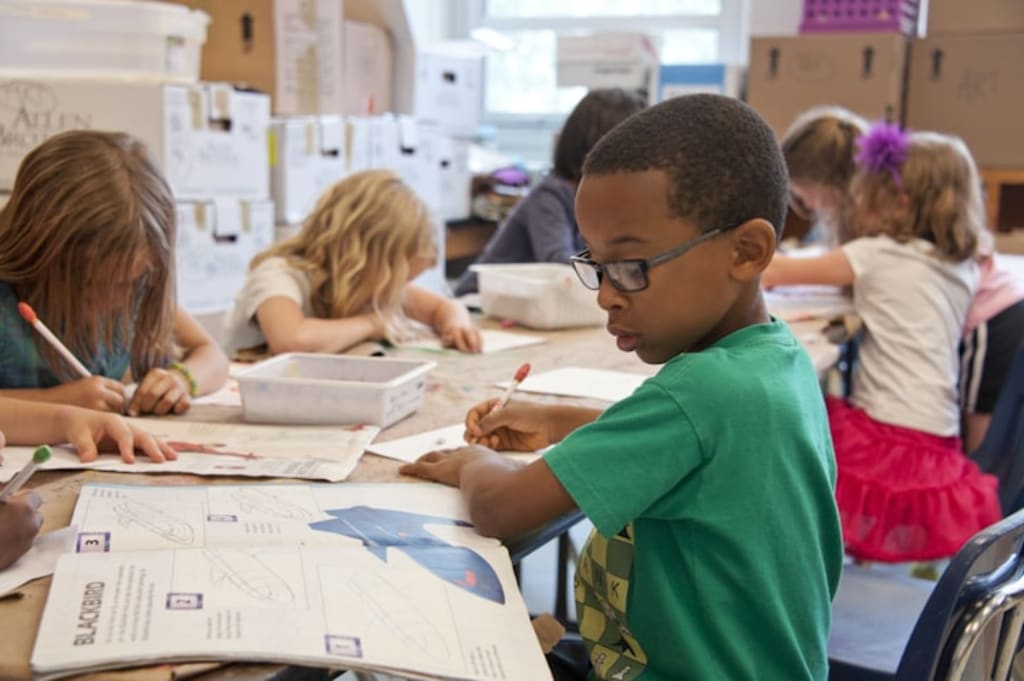
Education is the cornerstone of society, shaping the future of individuals and communities. To ensure that every student receives a quality education, it is crucial to continuously improve educational systems. Here are ten effective strategies to enhance education in schools:
Investment in Teacher Professional Development
Investment in teacher professional development is crucial as teachers play a pivotal role in student success. Ongoing professional development programs enable teachers to remain abreast of contemporary teaching methodologies, new technologies, and effective pedagogical techniques. This ensures that they are equipped to provide high-quality education and are responsive to the changing demands of students. Thus, investing in their professional growth not only enhances their teaching effectiveness but also contributes significantly to the overall educational outcomes of students.
Reducing Class Sizes
Reducing class sizes has been shown to yield numerous benefits in education. Smaller classes foster more meaningful teacher-student interactions, creating opportunities for personalized learning experiences and better classroom management. With fewer students to attend to, teachers can devote more attention to each student's individual needs, which often results in increased engagement and improved academic performance. Moreover, smaller classes contribute to a more conducive learning environment where students feel more supported and valued, ultimately promoting a positive educational experience for all involved.
Integration of Technology in Education
Embracing technology in education can revolutionize learning experiences. Providing access to digital resources, interactive learning tools, and online educational platforms enhances student engagement, promotes digital literacy, and prepares students for the technological demands of the future workforce.
Promotion of STEM Education
Strengthening Science, Technology, Engineering, and Mathematics (STEM) education programs encourages critical thinking, problem-solving skills, and innovation among students. By integrating hands-on STEM activities and projects into the curriculum, schools can inspire interest in these fields and prepare students for STEM-related careers.
Enhanced Parental and Community Involvement
Integration of Technology in Education:
The integration of technology into education represents a transformative approach to learning. By incorporating digital resources, interactive tools, and online platforms, schools can significantly enhance the learning experience for students. Access to these technological tools not only boosts student engagement but also cultivates essential digital literacy skills. Furthermore, embracing technology prepares students to meet the evolving demands of the future workforce, where proficiency in digital technologies is increasingly crucial. This integration ensures that education remains relevant and effective in a rapidly changing world.
Promotion of STEM Education:
Promoting STEM education is pivotal in fostering critical skills necessary for success in the 21st century. STEM programs emphasize science, technology, engineering, and mathematics, cultivating skills such as critical thinking, problem-solving, and innovation among students. By incorporating hands-on STEM activities and projects into the curriculum, schools can ignite curiosity and enthusiasm for these disciplines early on. Such initiatives not only prepare students for potential STEM careers but also contribute to a well-rounded education that equips them to tackle real-world challenges with confidence and proficiency.
Culturally Responsive Teaching
Embracing diversity and inclusivity in education through culturally responsive teaching practices acknowledges and respects students' cultural backgrounds, experiences, and identities. This approach promotes a sense of belonging, improves engagement, and enriches the educational experience for all students.
Expansion of Vocational Education and Career Readiness Programs
Offering vocational education programs and career readiness initiatives provides students with practical skills, industry certifications, and hands-on training aligned with workforce demands. These programs prepare students for successful transitions to higher education or entry into the workforce upon graduation.
Encouraging Critical Thinking and Creativity
Fostering critical thinking, creativity, and problem-solving skills equips students with essential abilities for lifelong learning and adaptability. Incorporating project-based learning, inquiry-based activities, and creative arts education stimulates intellectual curiosity and innovation among students.
Assessment and Accountability
Implementing effective assessment strategies and accountability measures ensures that educational goals are met and student progress is monitored. Utilizing diverse assessment methods, such as formative assessments and performance-based evaluations, provides valuable feedback for teachers to tailor instruction and support student growth.
In conclusion, by prioritizing these strategies, educational institutions can create a nurturing and inclusive learning environment that empowers students to reach their full potential. Continuous improvement in education not only enhances academic outcomes but also prepares students to thrive in a dynamic and competitive global society.
This rewrite focuses on clear and actionable strategies to improve education in schools, emphasizing the importance of teachers, technology, student well-being, diversity, and skill development. Let me know if you need further adjustments or additional information!
About the Creator
Engineering and Construction Expertise in Oil and Gas EPC Projects
Oil and gas engineering, procurement, and construction (EPC) services play a vital role in developing energy infrastructure across the world. These services cover the complete lifecycle of large-scale energy projects, from initial design and engineering to material sourcing, construction, and final commissioning. As global energy needs continue to evolve, oil and gas EPC activities remain essential for ensuring reliable energy production, transportation, and processing.
By Bobby Yadavabout 16 hours ago in Education
Frontier Strategies: Navigating Global Markets with Data-Driven Risk Management Solutions
Global companies face increasing uncertainty as they expand across continents, and they depend on sophisticated analytics to understand the forces shaping international performance. Moreover, leaders strengthen competitive positioning by integrating global risk signals into their planning, helping them anticipate disruptions before they intensify. Additionally, data tools reveal patterns across regulatory systems, regional economies, and supply chains that manual analysis would overlook. Consequently, organizations gain the clarity they need to make informed decisions as they adapt to rapidly changing global environments.
By Ehab Al Kuttub6 days ago in Education
Dead and Wearing Green
She was wearing that green dress when I first saw her, five years ago to the day. Flowing meadow fabric draped over long legs, thick auburn hair flowing down her back. That smile. Of course, she is still beautiful now. But now she is no longer alive.
By Karen Cave6 days ago in Fiction


Comments
There are no comments for this story
Be the first to respond and start the conversation.