
10 Frequently Asked Questions on Abroad Education Loan Transfer
Why Students Consider an Education Loan Transfer?

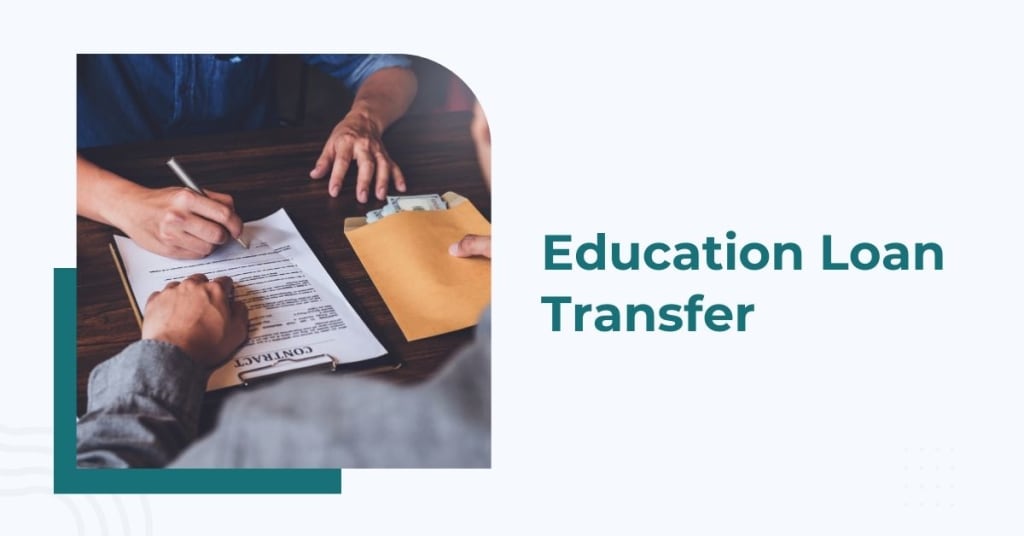
Your passport is stamped, your bags are packed, and your academic adventure is underway. But beneath the excitement lies a financial commitment that deserves periodic review. What if you could optimize this aspect of your journey, ensuring it aligns perfectly with your long-term goals?
This article serves as your comprehensive guide to understanding the nuances of relocating your study loan. We address the key questions on eligibility, the transfer mechanics, and the documentation required. Discover the empowering reasons why investigating an Education loan to Study Abroad transfer could be a pivotal move towards greater financial ease and flexibility during your international studies.
10 Frequently Asked Questions about Education Loan Transfer
1. What is an education loan transfer?
An education loan transfer involves shifting your existing student loan from one lender to another, typically to benefit from better interest rates or repayment terms.
2. Who is eligible to transfer an education loan?
Indian students with a minimum outstanding loan balance of ₹10 lakh are generally eligible. Previously, transfers were allowed only after course completion, but now, many banks permit transfers during ongoing studies.
3. What is the process for transferring an education loan?
The process includes obtaining a No Objection Certificate (NOC) from your current lender, applying to the new bank with necessary documents, and upon approval, the new lender settles the existing loan.
4. What documents are required for an education loan transfer?
Required documents typically include a filled loan application form, identification and address proofs, income documents of co-applicants, and the NOC from the existing lender.
5. Are there any restrictions on when students can transfer their education loan?
Yes, transferring within the first six months of the initial disbursement is generally discouraged due to potential pre-payment penalties from private lenders.
6. Can students transfer a loan from a private lender to a public bank?
Yes, many public banks now accept transfers from private lenders, including unsecured loans, provided you meet their eligibility criteria.
7. Will my moratorium change after transferring the loan?
Typically, the moratorium period continues as per the original agreement, but it's advisable to confirm with the new lender.
8. Are there tax benefits associated with education loan transfers?
Yes, under Section 80E of the Income Tax Act, you can claim deductions on the interest paid for education loans, even after transferring the loan.
9. Can I obtain a top-up loan during the transfer process?
Some banks offer top-up loans for additional educational expenses when you transfer your existing loan, subject to eligibility.
10. Does transferring an education loan affect my credit score?
Yes, a loan transfer can impact your credit score temporarily due to a hard inquiry, but timely repayments with the new lender can improve your score over time.
5 Reasons for Students to Consider an Education Loan Transfer
1. Lower Interest Rates
Transferring your loan to a lender offering a lower interest rate can significantly reduce your overall repayment burden. Even a 1–2% drop can save lakhs over the loan tenure.
2. Better Repayment Terms
New lenders may offer flexible EMI options, extended repayment periods, or even grace periods post-course completion. This flexibility helps students manage finances better during early career stages.
3. Switching from Unsecured to Secured Loan
If you initially took an unsecured loan at a higher rate, transferring to a secured loan with a government or public bank can drastically reduce interest costs and improve repayment terms.
4. Top-Up Loan Option
Many banks allow a top-up loan during the transfer process. This is useful if your education costs have exceeded the original sanctioned amount due to tuition hikes or living expenses.
5. Improved Customer Service and Support
If your current lender offers poor service or lacks transparency, switching to a bank with a dedicated education loan desk or digital servicing options can make a huge difference in your experience.
This brings us to the end of the article, where we saw some questions that students have on their mind. We also saw how it can benefit them.
For more information, students can reach out to abroad education loan experts near them. They help students to make their abroad education journey easier. With their help students can select the right loan option and get the best loan for their studies. Even if they have a non-collateral education loan or collateral-based education loan, these experts can help students to know about various options so they can do an education loan transfer so that they can get a better deal.
About the Creator
Riya Niar
I am dedicated professional counselor at ELAN Overseas Education Loan, specializing in assisting students with obtaining the best study abroad loan options. With a passion for helping students achieve their dreams of studying abroad.
Unlock Pinpoint Precision: How to Improve Golf Accuracy and Control With Expert Techniques
Golf is a game of small margins. A shot that veers just a few yards off course can cost you a stroke or even more. While power may seem impressive, accuracy and control are what truly separate average players from skilled ones. These qualities help you land the ball where you want it, avoid hazards, and play with more confidence.
By Daniel Ladner4 days ago in Education
Rachel Reviews: The Spiral Archive by Pieter Hendrik
It's difficult for me to know where to start with a review of this book as it was, for me, an entirely unique experience and one that I'll probably never have again. I don't want that to be interpreted as unenjoyable but it has left me scratching my head a little and ruminating on its content, its themes and its characters.
By Rachel Deeming8 days ago in BookClub


Comments
There are no comments for this story
Be the first to respond and start the conversation.