
Youth Agriculture
"Growing Together: The Power of Mentorship and Networking in Youth Agriculture"
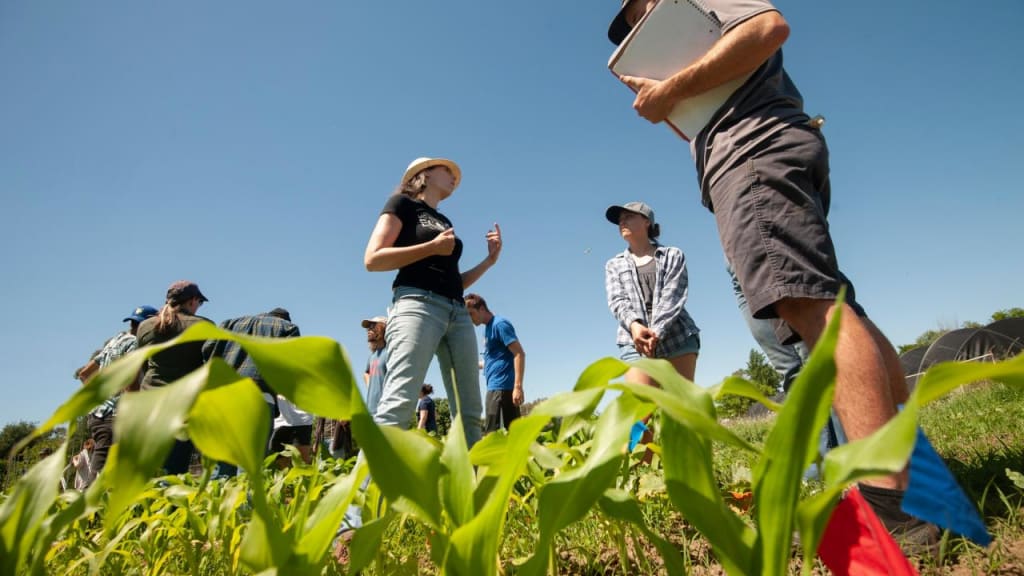
Youngsters Evolving in Agriculture: The Future of Farming
As technology and industrialization continue to grow, the importance of agriculture and its role in feeding the world has become more apparent than ever. However, the agriculture industry is facing a significant challenge: an aging workforce. According to the United States Department of Agriculture, the average age of a farmer is 57.5 years old, and only 8.7% of farmers are under the age of 35. This poses a serious concern for the future of agriculture and food security.
However, there is a glimmer of hope as more and more young people are getting involved in agriculture. The younger generation is bringing new ideas, technologies, and practices to the industry, which can help to make farming more efficient, sustainable, and profitable.
One of the biggest advantages that young people have is their familiarity with technology. Many young farmers are using drones, sensors, and other digital tools to monitor crop health, soil moisture, and weather patterns. This data can be analyzed to optimize irrigation, fertilization, and other inputs, which can reduce costs and improve yields.
Another advantage of young farmers is their focus on sustainability. Many young people are passionate about protecting the environment and reducing their carbon footprint. They are adopting practices such as conservation tillage, cover cropping, and precision farming, which can help to conserve soil, water, and other resources while reducing greenhouse gas emissions.
Furthermore, the younger generation is also more diverse and inclusive than ever before. Many young farmers are women, minorities, and immigrants, who bring different perspectives and experiences to the table. This diversity can help to foster innovation and creativity, which can drive the industry forward.
However, despite these advantages, young people still face significant challenges when it comes to getting involved in agriculture. One of the biggest obstacles is the high cost of land and equipment, which can make it difficult for young farmers to get started. Moreover, the lack of access to credit and capital can also be a significant barrier.
To address these challenges, governments and organizations are developing programs and initiatives to support young farmers. For example, the United States Department of Agriculture offers loans and grants to young farmers, while organizations like the National Young Farmers Coalition provide training, resources, and advocacy for young farmers.
Introduction:
Agriculture is an essential industry that feeds the world and sustains life. However, the industry is facing a significant challenge: an aging workforce. The average age of farmers is increasing, and young people are not as interested in pursuing careers in agriculture. To ensure the sustainability and growth of the industry, it is vital to involve youngsters in agriculture. This ebook provides practical advice and strategies for engaging young people in farming, from education to entrepreneurship.
Chapter 1: The Importance of Involving Youngsters in Agriculture
This chapter discusses why involving young people in agriculture is important. It highlights the benefits of having a younger workforce, including increased innovation, sustainability, and profitability. It also explores the challenges facing the industry and why young people are not as interested in agriculture as they used to be.
Young people are the future of agriculture, and involving them in the industry is essential for its sustainability and growth. Here are some of the reasons why it is important to evolve youth in agriculture:
Addressing the Aging Workforce: The average age of farmers is increasing, and the industry needs a new generation of farmers to take over. By involving young people in agriculture, we can ensure that there are enough skilled and knowledgeable workers to sustain the industry.
Promoting Innovation: Young people bring fresh perspectives, new ideas, and innovative approaches to agriculture. By involving them in the industry, we can foster innovation and create new solutions to the challenges facing agriculture, from climate change to food security.
Ensuring Sustainability: Agriculture has a significant impact on the environment, and young people are essential in promoting sustainable practices. By involving them in the industry, we can promote sustainable agriculture practices and ensure the long-term health of the planet.
Boosting the Economy: Agriculture is an essential industry that contributes significantly to the economy. By involving young people in agriculture, we can create new jobs, support rural communities, and boost economic growth.
Supporting Food Security: Agriculture is crucial for food security, and involving young people in the industry can help ensure that there is enough food to feed the growing global population. By promoting sustainable and innovative agriculture practices, we can help ensure that everyone has access to healthy and nutritious food.
In conclusion, involving young people in agriculture is vital for the sustainability and growth of the industry. By promoting education, mentorship, entrepreneurship, innovation, and advocacy, we can create a vibrant and sustainable future for agriculture.
Chapter 2: Education and Training
This chapter discusses the importance of education and training for young people interested in agriculture. It explores the different education pathways, including vocational training, apprenticeships, and higher education. It also highlights the role of agricultural extension services in providing training and support to young farmers.
Education and training are crucial for involving young people in agriculture. Here are some of the reasons why education and training are essential:
Developing Knowledge and Skills: Education and training provide young people with the knowledge and skills they need to succeed in agriculture. This includes practical skills such as crop and livestock management, as well as business skills such as marketing and finance.
Enhancing Productivity and Profitability: Education and training can help young people increase their productivity and profitability by improving their understanding of modern farming techniques and technologies. This can lead to higher yields, reduced costs, and increased revenue.
Addressing Industry Challenges: Education and training can help young people address the challenges facing the agriculture industry, such as climate change, food insecurity, and economic pressures. By providing young people with the necessary skills and knowledge, they can become more resilient and adaptable to changes in the industry.
Fostering Innovation: Education and training can help young people foster innovation in agriculture by introducing them to new ideas and technologies. This can lead to the development of new farming practices and technologies that can improve productivity and sustainability.
Building Networks and Support: Education and training programs provide young people with opportunities to build networks and connections with other farmers and agricultural professionals. This can lead to mentorship, collaboration, and support, which can be essential for success in the industry.
In conclusion, education and training are essential for involving young people in agriculture. By providing young people with the necessary knowledge and skills, we can help them become successful farmers and agribusiness owners. This can lead to a more sustainable and prosperous future for the agriculture industry.
Chapter 3: Mentorship and Networking
This chapter discusses the importance of mentorship and networking for young people in agriculture. It explores how to find a mentor, what to look for in a mentor, and how to establish a successful mentor-mentee relationship. It also highlights the benefits of networking and how to build a network of support in the agricultural industry.
Mentorship and networking are critical components of involving young people in agriculture. Here are some of the reasons why mentorship and networking are essential:
Learning from Experienced Professionals: Mentorship provides young people with the opportunity to learn from experienced professionals in the agriculture industry. Mentors can share their knowledge, experience, and expertise, helping young people develop the skills and knowledge they need to succeed.
Building Confidence: Mentorship can help build the confidence of young people by providing them with the guidance and support they need to tackle challenges and overcome obstacles. This can be particularly important for young people who are new to agriculture or who are starting their own agribusinesses.
Developing Relationships: Networking provides young people with the opportunity to build relationships with other professionals in the agriculture industry. This can lead to collaborations, partnerships, and new business opportunities, helping young people succeed in their careers.
Accessing Resources: Mentors and networks can provide young people with access to resources such as funding, technology, and information. This can be essential for starting and growing a successful agribusiness.
Fostering Innovation: Mentorship and networking can help young people foster innovation in agriculture by providing them with exposure to new ideas and technologies. This can lead to the development of new farming practices and technologies that can improve productivity and sustainability.
In conclusion, mentorship and networking are essential components of involving young people in agriculture. By providing them with access to experienced professionals, building their confidence, developing relationships, accessing resources, and fostering innovation, we can help young people succeed in the agriculture industry and create a more sustainable and prosperous future.
Chapter 4: Entrepreneurship and Innovation
This chapter discusses the importance of entrepreneurship and innovation for young people in agriculture. It explores how to start a farm or agribusiness, including business planning, marketing, and financing. It also highlights the importance of innovation in agriculture, including the use of technology, sustainable practices, and new business models.
Entrepreneurship is a key component of involving young people in agriculture and driving evolution in the industry. Here are some of the reasons why entrepreneurship is essential:
Creating New Business Opportunities: Entrepreneurship in agriculture can create new business opportunities that can contribute to the growth of the industry. By encouraging young people to start their own agribusinesses, we can create a more diverse and dynamic industry.
Encouraging Innovation: Entrepreneurship can encourage innovation in agriculture by promoting the development of new farming practices and technologies. Entrepreneurs are often driven by the desire to solve problems and find new solutions, which can lead to new ideas and approaches.
Driving Economic Growth: Entrepreneurship in agriculture can drive economic growth by creating new jobs and contributing to the local economy. By supporting young entrepreneurs in agriculture, we can create new opportunities for economic development in rural areas.
Promoting Sustainability: Entrepreneurship can promote sustainability in agriculture by encouraging the development of environmentally friendly farming practices and technologies. Entrepreneurs are often motivated by the desire to create a better future, and this can lead to the development of more sustainable practices.
Supporting Food Security: Entrepreneurship in agriculture can support food security by increasing production and improving access to nutritious food. By creating new agribusinesses, we can increase the availability of locally produced food and reduce dependence on imports.
In conclusion, entrepreneurship is essential for involving young people in agriculture and driving evolution in the industry. By creating new business opportunities, encouraging innovation, driving economic growth, promoting sustainability, and supporting food security, we can create a more vibrant and sustainable agriculture industry for the future.
Chapter 5: Advocacy and Policy
This chapter discusses the importance of advocacy and policy for young people in agriculture. It explores how to advocate for the interests of young farmers, including lobbying for policies and programs that support young farmers. It also highlights the role of government and non-governmental organizations in promoting the involvement of young people in agriculture.
Advocacy and policy are critical components of involving young people in agriculture and supporting their success in the industry. Here are some of the reasons why advocacy and policy are essential:
Raising Awareness: Advocacy can help raise awareness about the importance of involving young people in agriculture and the benefits of supporting their success. This can help to build support for policies and programs that promote youth involvement in agriculture.
Providing Support: Policies and programs that support young people in agriculture can provide them with the resources and assistance they need to succeed. This can include funding, training, mentorship, and access to information and technology.
Addressing Challenges: Advocacy and policy can help to address the challenges facing young people in agriculture, such as lack of access to land, credit, and markets. By developing policies and programs that address these challenges, we can support the success of young people in the industry.
Building Partnerships: Advocacy and policy can help to build partnerships between government, industry, and civil society organizations to support youth involvement in agriculture. By working together, we can create more effective policies and programs that support young people in the industry.
Fostering Innovation: Advocacy and policy can foster innovation in agriculture by promoting the development of new farming practices and technologies that are more sustainable, productive, and profitable. By supporting innovation, we can create a more vibrant and dynamic agriculture industry for the future.
In conclusion, advocacy and policy are essential components of involving young people in agriculture and supporting their success in the industry. By raising awareness, providing support, addressing challenges, building partnerships, and fostering innovation, we can create a more sustainable and prosperous agriculture industry for the future.
Conclusion:
Involving young people in agriculture is essential for the future of the industry. This ebook has provided practical advice and strategies for engaging young people in agriculture, from education to entrepreneurship. By working together, we can ensure that the future of farming is bright and sustainable.
Young people are crucial to the future of agriculture, and their involvement in the industry is essential for ensuring food security and sustainability. By leveraging their familiarity with technology, focus on sustainability, and diverse perspectives, young farmers can drive innovation, increase efficiency, and create a brighter future for farming. However, to ensure their success, young farmers need support from governments, organizations, and the broader agricultural community.
About the Creator
Keep reading
More stories from 727821TUEC147 RAJA SRI P. and writers in Earth and other communities.
Mario Molina
Mario Molina (1943–2020) was the first to realize that chlorofluorocarbons (CFCs) could destroy ozone. In the two decades following his discovery, he and his mentor became voices alerting the world to the danger of CFCs and ozone depletion.
By 727821TUEC147 RAJA SRI P.3 years ago in Education
Supreme Court to Review Monsanto’s Bid for Immunity in Roundup Lawsuits
The U.S. Supreme Court has agreed to review Monsanto’s appeal seeking immunity from lawsuits related to its popular herbicide, Roundup. This decision marks a critical moment for both the company and individuals claiming health damages from the chemical, which contains glyphosate—a substance under scrutiny for potential links to cancer. The review could have wide-reaching implications for corporate accountability, public health, and the legal landscape surrounding chemical products. Background on Roundup and Legal Challenges Roundup, a herbicide produced by Monsanto (now owned by Bayer), has been a staple in agriculture and home gardening for decades. Glyphosate, its active ingredient, was introduced as a highly effective solution for weed control. However, in recent years, scientific studies and lawsuits have raised concerns about its potential carcinogenic effects. Thousands of plaintiffs have claimed that exposure to Roundup caused non-Hodgkin lymphoma and other health issues. Numerous state and federal courts have seen extensive litigation, with some plaintiffs receiving multimillion-dollar verdicts. Monsanto has consistently defended the product, emphasizing that regulatory agencies worldwide have deemed glyphosate safe when used as directed. Monsanto’s Bid for Immunity Monsanto is appealing for legal immunity, arguing that its use of Roundup was regulated and approved by federal agencies, and therefore the company should not be held liable in civil lawsuits. The company contends that federal oversight should preempt individual claims, a legal doctrine known as federal preemption. In essence, Monsanto is asserting that because the Environmental Protection Agency (EPA) has evaluated and permitted glyphosate use, states or courts should not hold the company personally accountable for alleged harm. Why the Supreme Court’s Review Matters The Supreme Court’s decision to hear the case is significant for several reasons: Corporate Accountability: A ruling in favor of Monsanto could strengthen corporate defenses in cases where products are federally regulated, potentially limiting lawsuits against companies producing similar chemicals or pharmaceuticals. Public Health: Plaintiffs and advocacy groups argue that a corporate victory could undermine accountability for harmful products and reduce incentives for companies to rigorously test safety. Legal Precedent: The case could set a nationwide precedent regarding federal preemption, influencing how courts balance regulatory approval with civil liability. The Supreme Court’s interpretation could reshape the legal landscape for product liability and consumer protection in the United States. Stakeholder Perspectives Plaintiffs and Advocacy Groups For those affected by Roundup, the Supreme Court review is a critical opportunity to hold a powerful corporation accountable. Many plaintiffs argue that Monsanto failed to adequately warn users of the potential risks associated with glyphosate exposure. “People shouldn’t have to choose between using a product as intended and risking their health,” says Laura Mitchell, an attorney representing multiple plaintiffs in Roundup lawsuits. “A ruling that shields Monsanto from liability could leave victims without recourse.” Advocacy groups, such as environmental and cancer prevention organizations, emphasize that transparency and accountability are essential, particularly for chemicals widely used in agriculture and landscaping. Monsanto and Bayer Monsanto, now part of Bayer, maintains that Roundup is safe when used according to label instructions. Bayer has publicly stated that legal challenges have cost billions but that the company continues to stand behind its products. The firm argues that courts must respect federal regulatory authority to avoid creating conflicting standards between federal law and state-level lawsuits. “If companies could be held liable despite following federal regulations, it would set a concerning precedent for innovation and regulatory compliance,” a Bayer spokesperson said. Broader Implications The Supreme Court review has implications far beyond Monsanto and Roundup: Agricultural Industry: Glyphosate and similar herbicides are widely used in crop production. Legal outcomes could influence labeling, usage guidelines, and liability risk for other companies in agriculture. Consumer Products: The ruling could affect cases involving pharmaceuticals, chemicals, and other regulated products, particularly when federal agencies approve them. Regulatory Authority vs. Civil Liability: The decision may clarify the balance between federal oversight and state-level tort claims, potentially shaping how courts interpret the limits of corporate immunity. Previous Court Decisions Lower courts have issued mixed rulings in Roundup lawsuits. Some courts awarded substantial damages to plaintiffs, while others limited awards or found in favor of Monsanto. These inconsistent outcomes underscore the complexity of balancing scientific evidence, regulatory approval, and legal responsibility. Federal appeals courts have previously sided with both sides in separate cases, making Supreme Court intervention necessary to establish uniform legal standards nationwide. Public and Media Reaction Media coverage of Monsanto’s legal challenges has been extensive, reflecting public concern over chemical safety and corporate responsibility. Many reports highlight the tension between regulatory approvals and individual health claims, questioning whether federal endorsements automatically protect companies from lawsuits. Public sentiment is divided. Supporters of corporate immunity argue that companies need protection to operate and innovate without fear of excessive litigation. Opponents worry that such immunity could prioritize corporate interests over public health. What to Expect The Supreme Court will now evaluate key questions: Does federal regulatory approval preempt state-level claims of harm? Can companies be held liable even if they followed federal guidelines? How should courts balance scientific uncertainty with civil justice? The decision, expected within the next year or two, will be closely watched by lawyers, plaintiffs, corporations, and advocacy groups alike. Conclusion The Supreme Court’s review of Monsanto’s bid for immunity in Roundup lawsuits represents a landmark moment in American legal history. The case has the potential to redefine corporate liability, influence public health policy, and set precedent for future disputes involving federally regulated products. For plaintiffs, the stakes are deeply personal—seeking justice for alleged health impacts caused by widespread chemical exposure. For Monsanto and other corporations, the outcome could determine the limits of accountability in a regulated marketplace. As the Supreme Court deliberates, the nation watches closely, recognizing that the ruling will resonate far beyond Monsanto, affecting consumers, companies, and the broader debate over safety, regulation, and responsibility in the United States.
By Muhammad Hassan5 days ago in Earth
Oil Well Abandonment Services: Responsible Closure for Long-Term Environmental Safety
Oil and gas production is only one chapter in the life of a well. When extraction ends, what happens next is just as important as the energy once produced. Oil well abandonment services ensure that inactive wells are closed in a safe, controlled, and permanent manner, preventing environmental damage and protecting surrounding land for future use. 🌍
By andersenintus3 days ago in Earth
How to Succeed at the Benson Directory®
Congratulations and welcome to the Benson Directory® employee #22391! As our newest call handler, you will have the privilege of speaking with dozens of unique and interesting people on a daily basis as well as the opportunity to earn bonuses for high performance. Contained within this handbook you will find a set of ease to follow instructions designed to help you settle in to your new role and begin paving the way to success.
By S. A. Crawford5 days ago in Fiction




Comments
There are no comments for this story
Be the first to respond and start the conversation.