
Yala Peak Climbing Experience: From Langtang Valley to the Summit
Discover the Yala Peak climbing experience from Langtang Valley to the summit. Learn about the route, challenges, preparation tips, and why Yala Peak is ideal for aspiring Himalayan climbers.

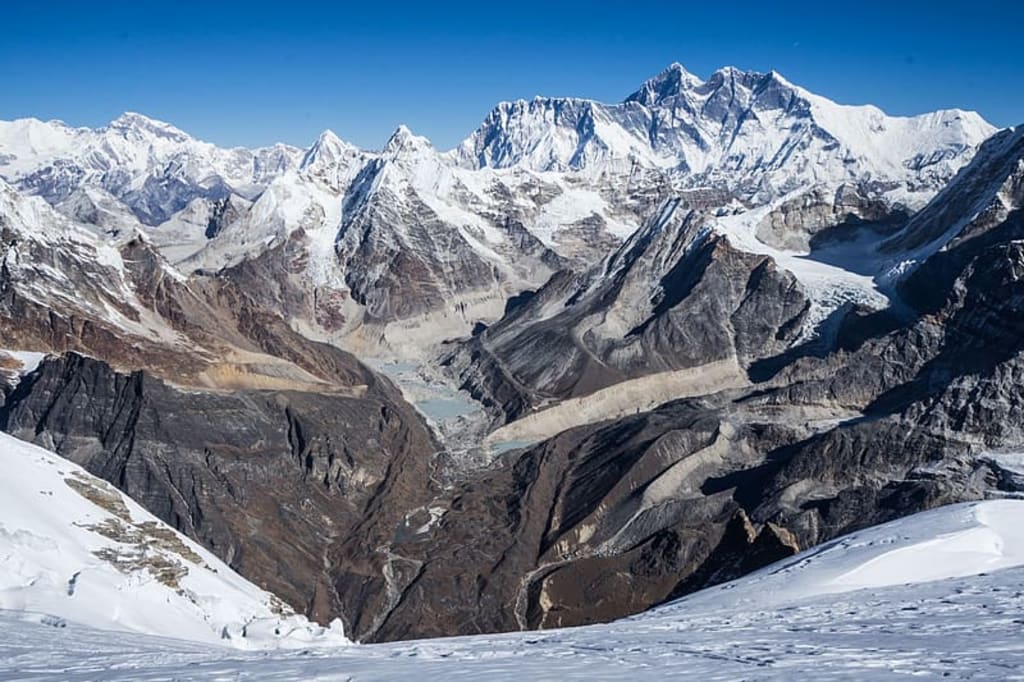
Nestled in the serene and spectacular Langtang Valley of Nepal, Yala Peak stands at 5,500 meters (18,045 feet) and offers climbers a challenging yet accessible Himalayan peak climbing experience. Often referred to as a “trekking peak,” Yala Peak is popular among mountaineers looking to test their skills before tackling higher and more technical climbs.
This article details the Yala Peak climbing experience, covering the route from the Langtang Valley to the summit, what to expect on the climb, preparation tips, and why this peak is an excellent choice for climbers and trekkers alike.
1. Introduction to Yala Peak
Yala Peak is situated in the Langtang National Park, north of Kathmandu, near the Tibetan border. It offers a unique climbing experience with a mix of trekking and technical mountaineering.
• Elevation: 5,500 meters (18,045 feet)
• Difficulty: Moderate, suitable for climbers with some high-altitude trekking and basic mountaineering experience
• Terrain: Snow and ice climbing with some rock sections near the summit
• Best season: Autumn (September to November) and spring (March to May)
The peak’s proximity to the culturally rich Langtang Valley makes the journey both adventurous and culturally enriching.
2. Getting to Langtang Valley
The journey begins with a drive from Kathmandu to Syabrubesi, the gateway to Langtang Valley. This drive takes approximately 7-8 hours through scenic and sometimes challenging roads.
From Syabrubesi, the trek into Langtang Valley takes 3-4 days, passing through:
• Lush forests of rhododendron and oak
• Traditional Tamang villages such as Lama Hotel and Langtang village
• Beautiful waterfalls and mountain streams
• The Langtang River valley, surrounded by snow-capped peaks
The trekking portion is a wonderful opportunity to acclimatize and experience local culture before the technical climb.
3. The Base Camp and Climbing Route
The climbing route starts from the Yala Peak Base Camp, typically located near Langtang village at approximately 4,200 meters.
From base camp, climbers follow a path leading through:
• Glacial moraine fields and rocky terrain
• Snow slopes with moderate gradients
• A steep final ascent that involves using crampons and ice axes
The ascent requires basic technical skills in ice and snow climbing, and climbers are usually accompanied by certified mountain guides for safety.
4. Climbing Experience and Challenges
Yala Peak offers a rewarding challenge with a few key highlights:
• Altitude: At 5,500 meters, climbers must be well acclimatized to avoid altitude sickness.
• Technical Skills: The climb includes glacier travel, snow slopes, and the use of technical climbing equipment.
• Weather: Weather can change rapidly, requiring climbers to be prepared for cold, wind, and possible snow.
• Fitness Level: A good level of fitness and stamina is necessary to handle the physical demands of the ascent.
Despite these challenges, Yala Peak is considered a manageable climb for those with proper preparation and support.
5. Why Choose Yala Peak?
Yala Peak is an excellent choice for climbers because:
• It serves as a great introduction to Himalayan climbing, bridging trekking and mountaineering.
• The route provides stunning views of Langtang Lirung, Ganesh Himal, and other prominent Himalayan peaks.
• It is less crowded compared to more famous peaks like Island Peak or Mera Peak, offering a more intimate mountain experience.
• The Langtang region itself is rich in natural beauty and cultural heritage, making the trip diverse and memorable.
6. Preparation and Permits
To climb Yala Peak, trekkers must obtain:
• Langtang National Park entry permit
• Trekking and climbing permits from the Nepal government
Preparation should include:
• Physical conditioning focusing on endurance, strength, and altitude acclimatization
• Familiarity with basic mountaineering techniques, including use of crampons and ice axe
• Proper climbing gear such as insulated boots, climbing harness, helmet, and technical clothing
Hiring experienced guides and porters is highly recommended for safety and logistics.
7. Accommodation and Support
During the trek and climb, accommodation is primarily in:
• Tea houses and lodges in villages up to Langtang valley
• Tent camps at base camp and higher elevations
Meals are typically simple but nutritious, focused on supporting energy needs. Guides assist with route planning, acclimatization schedules, and emergency procedures.
8. The Summit Day
Summit day usually begins very early, often around 2 to 3 AM, to take advantage of firmer snow conditions and better weather.
• Climbers ascend in the dark with headlamps, moving steadily up steep snow slopes.
• The final section requires careful use of ropes and climbing gear.
• Upon reaching the summit, climbers are rewarded with breathtaking views of the Langtang range, Ganesh Himal, and distant Himalayan giants.
The descent follows a safer, faster route back to base camp.
9. Post-Climb and Return
After summiting Yala Peak, climbers return to base camp to rest before trekking back to Syabrubesi and onward to Kathmandu.
The descent through Langtang Valley allows time to reflect on the experience and enjoy the natural surroundings once more.
10. Conclusion
Climbing Yala Peak is an incredible adventure combining the beauty of Nepal’s Langtang Valley with the thrill of high-altitude mountaineering. It offers a perfect stepping stone for those aiming to conquer higher Himalayan peaks.
With proper preparation, the right support, and respect for the mountain environment, climbers can enjoy a safe and unforgettable journey from the lush valleys to the summit’s icy heights.
About the Creator
Anya Gurung
I am a traveller/explorer
Keep reading
More stories from Anya Gurung and writers in Earth and other communities.
How to Prepare for the Himlung Himal Expedition in 2025
Located in the hidden Nar-Phu region of northwestern Nepal, Himlung Himal (7,126m) is one of the most rewarding 7000-meter climbing peaks in the Himalayas. Known for its accessibility, low traffic, and breathtaking alpine scenery, Himlung is rapidly becoming a favorite among mountaineers preparing for higher Himalayan climbs.
By Anya Gurung8 months ago in Earth
“Make America Go Away”: Spoof MAGA Caps Soar in Popularity Amid the Greenland Crisis
Political slogans have always been powerful, but in today’s hyper-connected world, they often take on a life of their own. In recent weeks, a new phrase has been popping up across social media, protests, and online marketplaces: “Make America Go Away.” Printed boldly on red caps that closely resemble the iconic MAGA hats, the slogan is a pointed parody—and it’s rapidly gaining popularity amid renewed tensions surrounding Greenland and U.S. foreign policy rhetoric.
By Aarif Lashari4 days ago in Earth
Global Lawn Mowers Market Set for Strong Growth as Smart Landscaping Goes Mainstream (2025–2033)
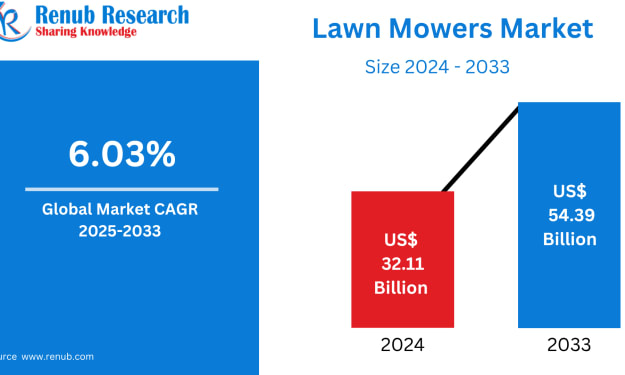
Global Lawn Mowers Market Size & Forecast 2025–2033 The Global Lawn Mowers Market is entering a transformative decade, reshaped by rapid urbanization, the rise of smart homes, and growing environmental awareness. According to Renub Research, the market is projected to grow from US$ 32.11 billion in 2024 to US$ 54.39 billion by 2033, expanding at a CAGR of 6.03% from 2025 to 2033.
By jaiklin Fanandish5 days ago in Earth
The Path to Salvation
The late autumn evening air filled the monk's lungs, but it wasn't the season that chilled his bones. The heavy-handed presence of evil he had sensed upon entering the woods surrounding this mountain village had not bothered to conceal itself from him.
By Made in DNAa day ago in Fiction


Comments
There are no comments for this story
Be the first to respond and start the conversation.