
Wimbledon: The Grand Slam Tradition of Tennis Excellence
The Grand Slam Tradition of Tennis Excellence

Wimbledon, the oldest and most prestigious tennis tournament in the world, has captivated sports enthusiasts and tennis fans for over a century. Held annually in the leafy suburbs of London, Wimbledon represents the pinnacle of tennis excellence, combining tradition, elegance, and intense competition. In this narrative, we delve into the rich history, iconic moments, and enduring legacy of the Wimbledon Championships, showcasing its significance in the world of tennis.
Part 1: Origins and Evolution
Wimbledon traces its roots back to 1877 when the All England Croquet and Lawn Tennis Club organized the inaugural Wimbledon Championship. Originally a tournament exclusively for gentlemen's singles, it expanded over the years to include women's singles, doubles, and mixed doubles events. The tournament's shift to grass courts in 1880 further solidified its unique identity, with the distinctive green surface becoming synonymous with the Wimbledon Championships.
Part 2: The All-England Lawn Tennis Club and Wimbledon Traditions
The All-England Lawn Tennis Club, nestled in the affluent neighborhood of Wimbledon, has been the historic venue for the tournament since its inception. The club's meticulous attention to detail, immaculate lawns, and adherence to tradition have become hallmarks of the Championships. Wimbledon's strict dress code, the consumption of strawberries and cream, and the playing of "God Save the Queen" during the finals all contribute to the event's distinguished atmosphere and sense of occasion.
Part 3: Legends of Wimbledon
Wimbledon has been graced by numerous tennis legends, whose performances on the hallowed lawns have become etched in tennis folklore. From Fred Perry, who claimed three consecutive Wimbledon titles in the 1930s, to Bjorn Borg's epic battles with John McEnroe in the 1980s, and the dominance of Roger Federer, Rafael Nadal, and Novak Djokovic in the modern era, Wimbledon has witnessed some of the sport's most iconic rivalries and triumphs.
Part 4: Memorable Matches and Iconic Moments
Wimbledon has been the stage for countless memorable matches and extraordinary moments. From the marathon clash between John Isner and Nicolas Mahut in 2010, lasting over 11 hours, to Goran Ivanisevic's fairytale run as a wildcard to win the championship in 2001, these dramatic instances have added to the tournament's allure. Wimbledon's rich history is punctuated by historic achievements, such as Martina Navratilova's record nine singles titles and the Williams sisters' dominance in women's tennis.
Part 5: Grass Court Tennis and Challenges Faced
The unique grass court surface at Wimbledon presents a distinct challenge for players. The low, skidding bounce and quick pace demand adaptability and precise shot-making. The tournament's scheduling, often affected by the unpredictability of the British weather, adds another layer of complexity for players and organizers. The ability to master grass court tennis and adapt to changing conditions has been a testament to players' versatility and skill.
Part 6: Wimbledon's Global Impact and Legacy
Wimbledon's global reach and influence extend beyond the confines of the All-England Lawn Tennis Club. The tournament's televised coverage, spanning multiple continents, has introduced tennis to millions of viewers and inspired generations of players. The enduring legacy of Wimbledon can be seen in the reverence and respect it commands among players and fans, as well as the immeasurable impact it has had on the development and growth of tennis as a global sport.
Conclusion:
Wimbledon, with its rich heritage, illustrious champions, and unwavering commitment to tradition, continues to hold a special place in the hearts of tennis enthusiasts worldwide. The tournament's unique blend of history, elegance
About the Creator
Tidal Barrier to Be 10m Shorter to Save Money
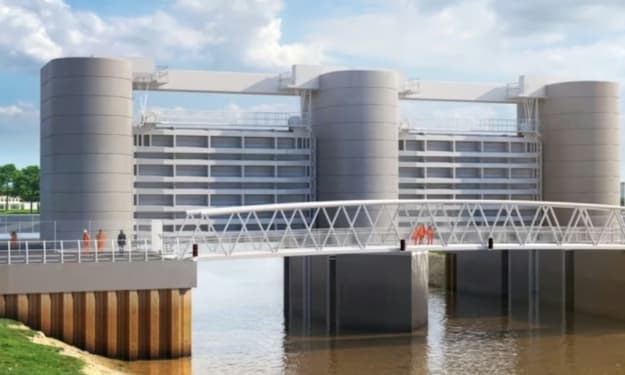
Rethinking Flood Protection in Somerset If you live near the coast, the threat of flooding isn’t just news — it’s a reality you can feel. That’s the situation in Bridgwater, Somerset, a historic market town near the Bristol Channel. For years, plans have been underway to build a tidal barrier to protect homes, businesses, and livelihoods from storm surges. Now, new updates reveal the barrier will be about 10 metres shorter than originally planned, a decision aimed at reducing costs while still keeping the town safe. This announcement has sparked conversations about engineering, budgets, and how communities adapt to climate challenges. Why the Barrier Is Being Shortened The Bridgwater Tidal Barrier was initially designed to be a high-profile flood defence, protecting thousands of properties from tidal surges that travel up the River Parrett. But after a recent design efficiency review, engineers concluded the barrier could be slightly shorter without compromising safety. Reducing the barrier by 10 metres lowers construction complexity, saves money, and reduces long-term maintenance costs. The Environment Agency and local authorities say this approach allows the project to move forward on time and on budget, ensuring the community gets protection sooner rather than later. The Cost Factor Public infrastructure projects like this don’t happen in a vacuum. Rising inflation, global supply chain disruptions, and labor shortages have increased costs for large-scale projects. Officials argue that the revised design is a responsible compromise: it balances cost savings with safety. Somerset Council leaders have welcomed the decision, noting that managing costs wisely helps the project reach completion without compromising protection for residents. Community Voices and Concerns Local engagement has been a key part of the project. Residents have attended consultations and drop-in sessions to see the updated plans and ask questions. Some community members appreciate the cost savings and faster timeline. Others worry whether a shorter barrier will be as effective against future extreme weather events. Questions include: Will the barrier remain strong against increasingly unpredictable storms? Does reducing the height limit future adaptability as climate impacts grow? What effect might it have on local ecosystems and fish habitats? These are valid concerns, reflecting how communities are increasingly involved in climate adaptation decisions. Engineering Flood Defence Today Tidal barriers are not new — Britain has relied on them for decades. London’s Thames Barrier, for instance, has protected the capital since the 1980s. But today, rising sea levels and more frequent storms mean engineers must balance safety, cost, and environmental impact carefully. In Bridgwater, officials say the revised barrier will still protect against 1-in-200-year tidal events. It’s designed to provide robust safety now while remaining adaptable for the future. The Human Side of Flood Protection It’s easy to get lost in numbers and metres, but behind the design decisions are real people. Residents depend on reliable flood protection to feel secure in their homes and communities. For families, businesses, and local services, knowing a barrier is being built — even a slightly shorter one — provides peace of mind. It’s not just a structure; it’s a symbol of resilience and preparedness. Next Steps for the Barrier The Bridgwater project is still under construction, with the revised design undergoing final refinements. Once completed, the tidal barrier will provide long-term protection for thousands of properties and critical infrastructure in Somerset. Officials emphasize that the shortened design does not compromise safety. If anything, staying on budget ensures the project is completed faster, meaning protection arrives sooner for the community. A Lesson in Climate Adaptation The story of the Bridgwater Tidal Barrier is more than engineering or economics. It’s about how communities respond to climate risks and how governments make tough choices balancing safety, cost, and sustainability. The barrier being 10 metres shorter may seem small on paper, but it reflects a larger truth: infrastructure planning today is as much about community engagement, adaptability, and long-term resilience as it is about concrete and steel. By keeping people involved and making informed, cost-effective decisions, Somerset shows how towns can adapt to climate change without sacrificing safety. Conclusion The Bridgwater Tidal Barrier demonstrates that infrastructure projects in the 21st century must adapt to multiple pressures: climate change, financial constraints, and community expectations. While the barrier is slightly shorter than originally planned, it remains a critical line of defence against flooding. More importantly, it highlights the importance of public involvement, transparency, and strategic planning in building a resilient community. For Bridgwater residents, the message is clear: the tide may rise, storms may come, but with smart planning and community engagement, the town will be ready
By Muhammad Hassan2 days ago in Earth
Red Ice Part 1
Northern Greenland, 1831 Anak finished loading the last of his equipment into his dog sled. All of his dogs were barking loudly with excitement. They knew what time it was, they knew what was about to happen. It's the middle of March and ice covers the entire region. Around this time of year, Anak and the other hunters head out for their seasonal walrus hunt. He checked his sled one final time to ensure he had everything they needed. Then he went to check on the other hunters to see of they were ready.
By Stonecreekabout 4 hours ago in Earth



Comments
There are no comments for this story
Be the first to respond and start the conversation.