
Why Zebras Remain the Wild Striped Stars: The Un-domesticated Chronicles
The Untamed Beauty of Zebras: Understanding Why They Remain Wild


Picture this: a peaceful savanna, the sun setting in a blaze of glory, and a herd of zebras trotting gracefully across the landscape. Sounds idyllic, right? But let’s imagine a different scenario where zebras are grazing in your backyard, casually mingling with your pet dog. While this might seem like a cool concept straight out of a whimsical dream, there are solid reasons why zebras remain the wild, un-domesticated equine wonders they are. Let's dive into the zany world of zebras and explore why these stripey creatures aren’t following in the hoofprints of horses or cows into the realm of domestication.
The Temperament Tango: Zebras' Wild Streak
First off, let’s talk about temperament. Zebras are the ultimate rebels of the animal kingdom. Unlike horses, which have been selectively bred for docility and workability over thousands of years, zebras have a feisty streak that's as bold as their stripes. They are known to be skittish, unpredictable, and, let’s be honest, a bit moody.
Imagine trying to saddle up a zebra for a nice ride in the park. Cue the circus music, because what follows would be a comedy of errors – bucking, biting, and bolting. Zebras are not keen on playing nice; they’ve developed their wild behaviors as survival mechanisms to evade predators in the harsh African savannas. So, while your dreams of a zebra-drawn carriage may be romantic, the reality would be far from a fairy tale.
Zebra Zippity: Speed and Agility
Zebras are built for speed and agility, not for carrying human loads or pulling plows. They’ve evolved to outrun the likes of lions and hyenas, zipping through their habitat with remarkable finesse. When you're built for the chase, slowing down to accommodate a saddle or cart isn’t exactly appealing.
A zebra’s flight instinct kicks in at the slightest hint of danger (which could be anything from a rustling bush to a sudden noise), and they can zigzag their way out of trouble like seasoned escape artists. Training such a free-spirited creature to stay put and obey commands would be like convincing a rock star to stick to a strict 9-to-5 schedule – highly unlikely and probably resulting in a dramatic exit.
Social Structure Shenanigans: Herd Dynamics
Horses have a relatively straightforward social hierarchy that humans have learned to navigate and manipulate over centuries. Zebras, on the other hand, have complex social structures within their herds. They form tight-knit family groups led by a dominant stallion and a harem of mares, each with their own pecking order. Disrupting this delicate balance for the sake of domestication is like trying to untangle a bowl of spaghetti – messy and not worth the effort.
Zebra herds are all about unity and mutual defense, with intricate social bonds that make them incredibly loyal to each other but wary of outsiders, including humans. While a horse might see you as the benevolent provider of hay and occasional treats, a zebra might view you as an intruder or, worse, a potential predator.
The Stripes Enigma: Camouflage and Confusion
Those striking stripes aren’t just for show – they serve a practical purpose. Zebras use their unique black-and-white patterns as a form of camouflage, blending into the tall grasses and confusing predators. This optical illusion, known as disruptive coloration, makes it hard for predators to single out individual zebras in a herd.
Now, domesticate a zebra, and you strip away its natural advantage. Imagine your zebra trying to blend into a suburban backyard – it’s not happening. The poor thing would stick out like a sore thumb, making it a prime target for any potential threats. Nature equipped zebras with stripes for survival in the wild, not for accessorizing your garden.
Diet Dilemmas: Picky Eaters
Zebras have evolved to graze on tough, fibrous grasses found in their natural habitats. Their digestive systems are finely tuned to handle this roughage, which is different from the more diverse diets domesticated livestock are used to. Trying to replicate a zebra’s diet in captivity would be an ongoing challenge.
Moreover, their foraging habits are tied to vast migrations in search of fresh grazing grounds. Keeping a zebra in a confined space would not only be nutritionally challenging but also psychologically distressing. Zebras are roamers at heart, and restricting their movement would be akin to putting a bird in a cage – it just wouldn’t work out well.
Health and Husbandry Headaches
Domesticated animals benefit from centuries of breeding that have minimized their susceptibility to various diseases. Zebras, however, are still very much wild animals with wild immune systems. They can carry diseases that are transmissible to domesticated horses, creating health risks that complicate their domestication.
In addition, the expertise required to care for a zebra is beyond that of your average livestock farmer. Veterinary care, dietary management, and handling techniques for zebras are specialized fields that few are equipped to handle. Your local vet might have a heart attack upon seeing a zebra in the waiting room – it’s a far cry from treating a lap dog.
The Wild Card: Instinct Over Intellect
Ultimately, zebras are governed by their wild instincts. While domesticated animals have adapted to rely on humans for food, shelter, and protection, zebras remain fiercely independent. They don’t seek human approval or companionship the way domesticated animals do. Their survival instinct overrides any potential for training or domestication.
Conclusion: Wild at Heart
So, why aren’t zebras domesticated? Because they’re wild at heart. Their fiery temperament, incredible agility, complex social structures, and natural adaptations make them uniquely suited to life in the wild. Trying to tame such a creature would not only be a monumental task but also a disservice to the zebra’s natural way of life.
Next time you find yourself daydreaming about having a pet zebra, just remember – some stars are meant to shine brightly in their natural habitat, undomesticated and untamed. Zebras are the quintessential symbols of wild beauty, and maybe it’s best that we let them gallop freely across the savannas, just as nature intended. So, let’s tip our hats to these striped wonders and appreciate them from afar, where they belong – wild, free, and fabulously untamed.
About the Creator
Keep reading
More stories from Vishnu venugopal and writers in Earth and other communities.
A Magical Christmas in Kyoto: A Traveler's Delight
If you imagine Christmas, you might think of snowy landscapes, twinkling lights, and cozy fireplaces. But picture this—Christmas in Kyoto, Japan, a city where ancient traditions meet modern festivities. Kyoto, known for its temples, gardens, and history, transforms into a spectacular holiday destination during Christmas. Come with me as we explore the magical Christmas celebrations in Kyoto, filled with must-see attractions, festive activities, and unique shopping experiences. Discovering Kyoto's Festive Spirit The Illumination Extravaganza Kyoto’s Christmas season kicks off with stunning illumination events across the city. One of the most famous is the “Arashiyama Hanatouro,” where the iconic bamboo forest in Arashiyama is beautifully lit, creating a serene and enchanting atmosphere. Imagine walking through this forest, the tall bamboo stalks glowing with soft, ethereal light, reflecting off the winter air. Another not-to-miss event is the "Rohm Illumination," one of Kyoto's largest, held at the headquarters of Rohm Semiconductor. This display features millions of LED lights illuminating the trees and pathways, creating a dazzling spectacle that brightens the winter nights. Traditional Temples with a Festive Twist Kyoto's ancient temples and shrines also join in the festive cheer. Kiyomizu-dera, one of the city’s most famous temples, holds a special night-time illumination event during December. Picture yourself standing at the temple's wooden veranda, overlooking the cityscape illuminated below, the temple itself bathed in soft, golden light. Yasaka Shrine, located in the bustling Gion district, also celebrates Christmas with its unique blend of Shinto traditions and festive decorations. The shrine’s grounds are adorned with lanterns and lights, and you might even spot traditional performances and ceremonies. Planning Your Kyoto Christmas Adventure When to Visit Kyoto’s Christmas festivities typically run throughout December, peaking around Christmas Eve and Christmas Day. For a quieter experience, visit in early December when the decorations are up, but the crowds are thinner. Accommodation Kyoto offers a wide range of accommodations to suit every traveler. From luxury hotels like The Ritz-Carlton Kyoto, which offers stunning views of the Kamogawa River, to traditional ryokans that provide a taste of classic Japanese hospitality. Booking in advance is advisable, as Christmas is a popular time for both locals and tourists. Getting Around Kyoto’s public transportation is efficient and tourist-friendly. The city’s buses and trains connect most attractions, and exploring on foot is a delightful way to soak in the festive atmosphere. Consider renting a bicycle for a leisurely ride through Kyoto’s charming streets and parks. Christmas Shopping in Kyoto Nishiki Market - Kyoto’s Kitchen For a unique shopping experience, head to Nishiki Market, often referred to as “Kyoto’s Kitchen.” This vibrant market is perfect for picking up local delicacies, from fresh seafood and pickled vegetables to Kyoto sweets and sake. Imagine wandering through the bustling alleys, sampling treats, and finding gourmet gifts for your loved ones. Teramachi and Shinkyogoku Shopping Arcades Located in the heart of Kyoto, these shopping arcades are a haven for Christmas shoppers. The arcades are beautifully decorated with lights and festive decorations, and you’ll find a variety of shops selling everything from traditional crafts and souvenirs to modern fashion and electronics. Picture yourself strolling through these bustling arcades, the festive spirit all around you. Kyoto Handicraft Center For those seeking unique, handcrafted gifts, the Kyoto Handicraft Center is a must-visit. Here, you can purchase traditional Japanese crafts such as pottery, textiles, and lacquerware. Many items are made by local artisans, making them perfect, one-of-a-kind Christmas gifts. Embracing Kyoto’s Festive Cuisine Kaiseki Dining No trip to Kyoto is complete without experiencing its renowned kaiseki cuisine—a multi-course meal that highlights seasonal ingredients and meticulous preparation. Many restaurants offer special Christmas kaiseki menus, combining traditional Japanese flavors with a festive twist. Imagine sitting in a tatami-mat room, enjoying beautifully presented dishes that delight all your senses. Christmas Cake - Japanese Style In Japan, it’s a tradition to enjoy a Christmas cake, often a light sponge cake decorated with whipped cream and strawberries. You’ll find beautifully crafted Christmas cakes at Kyoto’s numerous patisseries and bakeries. Picture yourself in a cozy café, savoring a slice of cake with a hot cup of green tea. Festive Markets and Food Stalls Kyoto’s Christmas markets, although not as widespread as in the West, offer delightful food stalls where you can sample festive treats. Imagine biting into warm, freshly-made taiyaki (a fish-shaped cake filled with sweet red bean paste) or enjoying a cup of hot amazake, a traditional sweet rice drink, as you wander through the market stalls. Festive Activities and Events Christmas Concerts and Performances Many venues in Kyoto host special Christmas concerts and performances throughout December. The Kyoto Concert Hall and other cultural venues offer a range of events, from classical music and choir performances to jazz and traditional Japanese music. Imagine an evening spent listening to beautiful music, the holiday spirit filling the air. Ice Skating at Kyoto Station Kyoto Station, a hub of activity year-round, transforms into a festive venue with its seasonal ice skating rink. Picture yourself gliding on the ice, the modern architecture of the station contrasting with the traditional charm of the city outside. Strolling Through Gion The historic district of Gion, known for its geisha culture and traditional wooden machiya houses, takes on a festive charm during Christmas. The streets are adorned with lights and decorations, and many teahouses and restaurants offer special holiday menus. Imagine walking through Gion at dusk, the soft glow of lanterns and the gentle sound of shamisen music creating an unforgettable atmosphere. Kyoto’s Unique Holiday Spirit Blend of Traditions One of the most enchanting aspects of Christmas in Kyoto is the blend of Western and Japanese traditions. You’ll find Christmas trees and Santa Claus figures alongside traditional Japanese New Year decorations. This harmonious blend of cultures adds a unique charm to the holiday season in Kyoto. Warm Hospitality Kyoto is known for its warm hospitality, or “omotenashi,” which is especially evident during the Christmas season. Hotels and restaurants go out of their way to make guests feel welcome, and the festive decorations and events reflect this spirit of generosity and warmth. Reflective Moments Amid the festive celebrations, Kyoto’s temples and gardens offer moments of peace and reflection. Take a moment to visit the tranquil Ryoan-ji Temple with its famous rock garden, or stroll through the serene paths of the Philosopher’s Walk. These reflective spaces offer a balance to the holiday bustle, allowing you to experience a different side of Christmas in Kyoto. So there you have it! Christmas in Kyoto is a delightful blend of traditional charm, festive cheer, and unique cultural experiences. As you explore the illuminated streets, savor the festive cuisine, and find unique gifts, you’ll discover that Kyoto’s Christmas celebration is truly one-of-a-kind. Pack your warmest clothes, ready your camera, and embark on a magical journey to Kyoto this Christmas season. Happy travels! 🎄✨
By Vishnu venugopal about a year ago in Earth
Police Warn Against ‘Ridiculous’ Parking at Beauty Spot Amid Snow Disruption
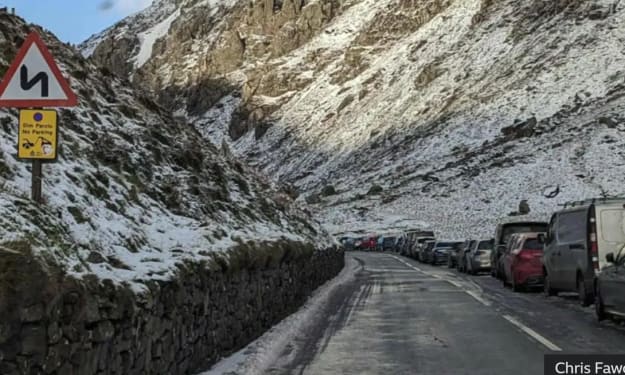
Heavy snowfall may transform beauty spots into winter wonderlands, but it also brings serious risks when visitors ignore basic safety and parking rules. Police have issued a strong warning against what they describe as “ridiculous” parking at a popular beauty spot, after snow disruption led to blocked roads, stranded vehicles, and delayed emergency access. As wintry conditions continue to affect travel, authorities are urging the public to prioritise safety over scenic photographs, reminding drivers that poor parking decisions can have life-threatening consequences during severe weather. Snowfall Turns Scenic into Hazardous The recent spell of snow attracted large numbers of visitors eager to enjoy picturesque landscapes blanketed in white. Hillsides, national parks, and rural viewpoints quickly became hotspots for walkers, families, and amateur photographers. However, police say the surge in visitors coincided with widespread parking chaos. Cars were left abandoned on narrow roads, grass verges, gateways, and even blocking access routes meant for emergency vehicles and local residents. What may appear to drivers as a harmless decision to “park for just a few minutes” can quickly escalate into a major safety issue—especially when snow and ice reduce road space and visibility. Police Response and Public Warning Local police forces have taken to social media and public statements to express frustration at the situation. Officers described some parking behaviour as not only irresponsible but dangerous, particularly given the weather conditions. Police warned that emergency vehicles, including ambulances and mountain rescue teams, were struggling to reach areas due to blocked roads. In severe weather, response times are already under pressure, and illegally parked vehicles can mean the difference between life and death. Authorities have also made it clear that enforcement action will be taken where necessary. Drivers risk fines, towing, and penalty points if their vehicles obstruct roads or endanger others. Impact on Emergency Services One of the most serious consequences of poor parking during snow disruption is its impact on emergency services. Narrow rural roads, already difficult to navigate in icy conditions, become completely impassable when cars are parked irresponsibly. Fire crews, paramedics, and rescue teams rely on clear access routes, particularly in popular beauty spots where accidents such as slips, falls, or stranded walkers are more likely in winter conditions. Police stressed that emergency vehicles do not have the luxury of “finding another way around” when roads are blocked. Delays caused by inconsiderate parking put both responders and the public at risk. Local Residents Left Frustrated It is not only emergency services that are affected. Residents living near popular beauty spots often bear the brunt of snow-related disruption. Driveways are blocked, access to homes becomes difficult, and essential journeys for work, medical appointments, or supplies are delayed. Many locals report feeling ignored by visitors who treat rural communities like seasonal attractions rather than lived-in areas. During winter weather, this frustration is magnified, as residents may already be dealing with power outages, poor road conditions, and limited access to services. Police have echoed these concerns, reminding visitors that beauty spots are often surrounded by working communities, not just open spaces for leisure. Why Snow Makes Parking More Dangerous Snow significantly reduces road safety margins. It narrows carriageways, hides road markings, and makes verges unstable. A car parked partly on a road might seem manageable in normal conditions, but in snow it can create blind corners, force vehicles into oncoming traffic, or cause skidding accidents. Additionally, snowploughs and gritters require space to operate effectively. Poorly parked vehicles can prevent these essential services from clearing roads, prolonging disruption for everyone. Authorities warn that even experienced drivers can underestimate how quickly conditions can change in winter weather. Social Media and the “Snow Day” Effect Police have also pointed to social media as a contributing factor. Viral images of snow-covered landscapes often encourage spontaneous trips without proper planning. People see beautiful photos and head out without considering parking availability, road conditions, or weather warnings. This “snow day” mentality can overwhelm rural infrastructure not designed for large volumes of traffic, particularly during adverse weather. Police urge visitors to check local advice before travelling and to be prepared to turn back if conditions are unsafe. Advice for Safe Winter Visits In response to the ongoing disruption, authorities have shared clear guidance for anyone planning to visit beauty spots during snowy conditions: Avoid unnecessary travel during severe weather warnings Park only in designated areas, never on roads or verges Do not block gateways, tracks, or emergency access routes Check weather and road conditions before setting off Be prepared to leave if parking is unavailable Police emphasise that no photograph or short walk is worth risking lives or causing serious disruption. Enforcement and Accountability While officers prefer to rely on public cooperation, they have confirmed that enforcement will be stepped up if irresponsible behaviour continues. Vehicles may be ticketed or removed, particularly if they pose a danger or obstruction. Authorities stress that enforcement is not about spoiling enjoyment but about ensuring public safety. Winter conditions demand higher levels of responsibility from drivers, not less. A Shared Responsibility Snow transforms landscapes, but it also tests public behaviour. Police warnings against “ridiculous” parking are not just expressions of frustration—they are urgent reminders that safety must come first. Enjoying nature is a privilege, not a right, especially during extreme weather. By parking responsibly and respecting local communities, visitors can help ensure that beauty spots remain accessible, emergency services remain effective, and winter days do not turn into preventable disasters. As snow disruption continues, the message from police is clear: think before you park, or don’t park at all
By Muhammad Hassan8 days ago in Earth



Comments
There are no comments for this story
Be the first to respond and start the conversation.