
Why Is the Sea Salty, but Rivers Are Freshwater?
Discover the science behind Earth’s salty seas and freshwater rivers—a story of nature’s delicate balance.
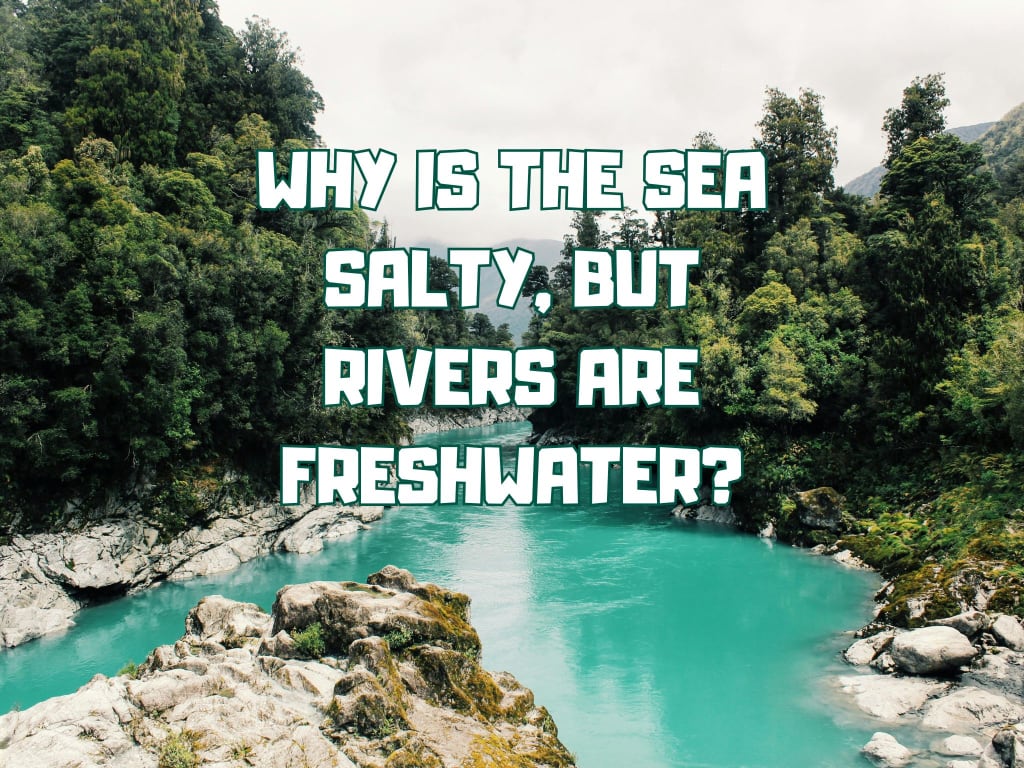
The ocean is one of the planet’s most mesmerizing features, stretching endlessly and shimmering under the sun. But as you stand on a beach and let the waves lap at your feet, have you ever wondered why the sea is salty, while rivers that flow into it are fresh? This fascinating question has captivated minds for centuries, and its answer lies in the interplay of geology, chemistry, and the water cycle.
The Journey of Water: From Clouds to Oceans
To understand why the sea is salty, we must first follow the journey of water through the hydrological cycle. It begins when the sun’s heat evaporates water from oceans, rivers, and lakes, turning it into water vapor that rises into the atmosphere. As the vapor cools, it condenses into clouds and eventually falls back to Earth as precipitation—rain, snow, or sleet.
When this precipitation lands on mountains, plains, or forests, it begins a new journey. Rainwater flows over the land’s surface, forming streams and rivers that carve their way toward the ocean. Along the way, water picks up tiny particles of minerals and salts from rocks and soil.
Rivers: The Mineral Carriers
As rivers flow, they act as nature’s carriers, collecting and transporting minerals such as sodium, calcium, and magnesium. However, because rivers are constantly moving and replenished by fresh rainwater, the concentration of these salts remains low, making them “freshwater.” This is why you can drink from many rivers and lakes without experiencing the salty tang associated with seawater.
Oceans: The Final Destination
When rivers reach the ocean, they deposit the minerals and salts they’ve gathered along their journey. Over millions of years, these salts have accumulated in the sea, creating its characteristic salinity. But why does the salt stay in the ocean rather than being flushed away?
The answer lies in evaporation. As sunlight heats the ocean’s surface, water evaporates, leaving salts and minerals behind. This process of evaporation and replenishment is continuous, ensuring that the sea remains salty. Unlike rivers, which are refreshed by rainwater, the ocean is essentially a "closed system" where salts are trapped.
How Salty Is the Sea?
On average, seawater contains about 35 grams of salt per liter, making it significantly saltier than river water. The primary component of this salt is sodium chloride—the same type of salt you might sprinkle on your food. This high salinity is why drinking seawater can dehydrate you; it’s too salty for your kidneys to process efficiently.
Why Aren’t Rivers Salty?
The constant flow and renewal of rivers prevent salts from building up. Additionally, the salts that rivers carry to the ocean are in relatively small quantities compared to the vast volume of seawater. This dynamic balance ensures that rivers remain freshwater, while the sea accumulates salts over geological timescales.
The Role of Tectonics and Hydrothermal Vents
The ocean’s salinity isn’t just a result of rivers. Underwater geological activity also plays a role. Hydrothermal vents on the ocean floor release minerals directly into the sea, contributing to its salt content. At the same time, tectonic activity can expose new rocks, which gradually release minerals into the water through weathering and erosion.
Salty Lakes: Exceptions to the Rule
While most rivers and lakes are freshwater, some lakes, like the Dead Sea or Utah’s Great Salt Lake, are extremely salty. These are known as "terminal lakes," where water flows in but doesn’t flow out. Evaporation removes water, leaving salts behind, much like the ocean. Over time, these lakes become hypersaline, creating unique ecosystems.
Conclusion: A Salty Mystery Unveiled
The contrast between salty seas and freshwater rivers is a testament to the intricate balance of nature. Rivers act as the Earth’s transport system, carrying minerals to the oceans, while evaporation ensures the salt remains in the sea. This process has shaped the marine environment we know today, supporting diverse ecosystems and influencing weather patterns.
Next time you stand by the ocean, take a moment to appreciate its saltiness as a result of millions of years of natural processes. It’s not just a characteristic of the sea but a story of Earth’s dynamic and interconnected systems, all working in harmony to create the world we call home.
About the Creator
Zuzana Manová
Answering life’s biggest (and smallest) questions—because curiosity has no limits.
Reader insights
Nice work
Very well written. Keep up the good work!
Top insights
Excellent storytelling
Original narrative & well developed characters
Expert insights and opinions
Arguments were carefully researched and presented
Eye opening
Niche topic & fresh perspectives
Keep reading
More stories from Zuzana Manová and writers in Earth and other communities.
Where Does the Universe End, and What Lies Beyond?
The universe has always been a source of wonder and mystery. As we look up at the night sky, questions flood our minds: How big is the universe? Does it have an edge? And if it does, what could possibly lie beyond? These questions spark curiosity and challenge our understanding of existence itself. Let’s embark on a journey to explore one of the most fascinating mysteries of all time.
By Zuzana Manováabout a year ago in Earth
Workers Recover 15,000 Crabs After Lorry Crashes Into Field
An extraordinary scene unfolded when a lorry carrying an estimated 15,000 live crabs crashed into a field, spilling its cargo across farmland and prompting a large-scale recovery effort. The unusual accident quickly drew attention from local residents, emergency services, and animal welfare groups, as workers scrambled to rescue as many crabs as possible before they succumbed to exposure.
By Aarif Lashari6 days ago in Earth
FPS: Roots and Branches Challenge Winners
The FPS: Roots and Branches Challenge has wrapped up, and gaming enthusiasts around the world are celebrating the winners of this exciting and competitive event. From showcasing incredible skill to creative problem-solving, participants pushed their limits, making the challenge a true testament to the evolving world of first-person shooter (FPS) games.
By Aarif Lashariabout 21 hours ago in Earth



Comments
There are no comments for this story
Be the first to respond and start the conversation.