
Why Deserts Like the Sahara Are Scorching by Day and Freezing by Night
The science behind extreme desert temperatures — and how native life survives the daily thermal rollercoaster


Not many people know that temperatures in the Sahara Desert can drop by as much as 24°C (43°F) overnight.
If you’re planning a day trip to the Sahara Desert in North Africa, you’ll want to pack plenty of water and sunscreen. But if you’re staying the night, you’ll also need a snug sleeping bag to keep warm — not something most people expect to bring into the desert.
That’s because the temperature in the Sahara can plummet dramatically once the sun sets, dropping from a sweltering average high of 38°C (100°F) during the day to a bone-chilling low of around -4°C (25°F) at night.
This extreme temperature shift begs the question: why do such dry deserts experience such severe fluctuations in temperature? And how do native plants and animals adapt to these intense changes?
The Science Behind the Swings: Sand and Moisture
The key to understanding desert temperature extremes lies in a combination of two simple but powerful factors: sand and humidity.
According to a 2008 report from NASA’s Jet Propulsion Laboratory in Pasadena, California, when sunlight hits the desert floor, the top layers of sand absorb the heat and release it back into the surrounding air. During the day, this radiation heats the air, sending temperatures soaring.
But once the sun sets, there’s no longer any incoming energy to maintain the heat. And because sand has a low heat retention capacity, it quickly releases the stored energy into the air, causing temperatures to drop drastically. Within a few hours, what was once blisteringly hot becomes frigid and cold.
However, this alone doesn’t account for such dramatic overnight cooling. The primary reason behind these extreme fluctuations is the lack of humidity in desert air.
In extremely dry places like the Sahara or Chile’s Atacama Desert, the amount of water vapor — or humidity — in the air is nearly zero. And that’s crucial, because water vapor acts as a natural blanket, trapping heat near the ground. In more humid regions, this “invisible blanket” keeps temperatures from dropping too rapidly after sunset.
Water also has a much higher heat capacity than sand. That means it takes longer to heat up, but once it does, it holds onto that energy longer, slowly releasing it back into the environment — keeping nighttime temperatures relatively stable.
In contrast, deserts lack that moisture buffer. Without water vapor to trap warmth, heat escapes quickly into the upper atmosphere, leading to sudden nighttime chills.
Life in Extremes: Adapting to the Desert's Thermal Whiplash
Despite this intense daily shift in climate, desert organisms — from reptiles to camels to cacti — have evolved remarkable strategies to survive.
According to Dale DeNardo, an environmental physiologist at Arizona State University who studies desert animals, the biggest survival challenge in the desert isn’t the temperature itself, but simply finding enough food and water.
Still, the ability to withstand thermal extremes is vital — and different organisms cope in different ways.
Cold-Blooded Champions: Reptiles
Reptiles, known for being the most abundant and diverse animals in deserts, are masters of thermal adaptation. As cold-blooded creatures, they don’t use internal energy to maintain a constant body temperature. Instead, they rely on external sources of heat.
Many reptiles are also small, which gives them an advantage: they can quickly take refuge in shaded crevices during the scorching daylight hours or snuggle up against warm rocks to conserve heat at night.
Warm-Blooded Giants: Mammals like Camels
Large, warm-blooded mammals like camels face a bigger challenge. Their size makes it impossible to escape the sun completely, and they can’t afford to let their body temperature fluctuate too wildly.
Camels have developed an ingenious way to handle this: they maintain a consistent internal temperature through layers of fat and thick fur. These insulating layers help block excess heat during the day and trap warmth during the night, acting like nature’s built-in thermostat.
Feathered Survivors: Desert Birds
Birds of the desert, on the other hand, depend on evaporative cooling to regulate their body temperature — similar to how humans sweat or dogs pant. This method involves using water to remove heat from the body.
Different birds have evolved unique techniques for this. Some vultures, for example, urinate on their legs to cool themselves down as the moisture evaporates — an unusual but effective survival trick.
Plant Power: The Most Vulnerable Survivors
Desert plants arguably face the toughest challenge of all. They can't run to shade or dig burrows. They’re rooted in place, vulnerable to every fluctuation in climate.
Iconic plants like cacti have evolved clever defenses to thrive in arid environments. These include spines, thick waxy coatings, and even chemical toxins — all designed to prevent water loss and ward off thirsty herbivores.
But while they’re well-adapted to heat and dryness, freezing temperatures are another story. When water inside plant tissues freezes, it expands. This can rupture cells and cause permanent, often fatal, damage.
As a result, desert plants typically grow only in areas where nighttime temperatures rarely dip below freezing for more than a few hours — a boundary known as the frost line. Beyond that line, survival becomes nearly impossible.
Conclusion: A Land of Extremes
The Sahara and other deserts are more than just endless dunes and burning sun — they’re landscapes of extremes, swinging between fire and frost in the span of a single day. The combination of sandy soil, clear skies, and dry air creates a perfect recipe for thermal volatility.
Yet despite this brutal environment, life endures. From tiny lizards that hide in shadows to mighty camels crossing the dunes, desert organisms prove that nature always finds a way to adapt, survive — and even thrive — in the most unforgiving places on Earth.
About the Creator
Eleanor Grace
"Dream big.Start small.Act now."
Keep reading
More stories from Eleanor Grace and writers in Earth and other communities.
Walking on Fire
For thousands of years, firewalking has captivated the human imagination. From ancient tribal rituals to modern-day spectacles, the sight of a person walking barefoot across a bed of glowing red-hot coals continues to stir awe, disbelief, and sometimes fear. But according to one award-winning American physicist, there’s no magic involved—just physics.
By Eleanor Grace9 months ago in Earth
15 Years After Fukushima, Japan Prepares to Restart the World’s Biggest Nuclear Plant
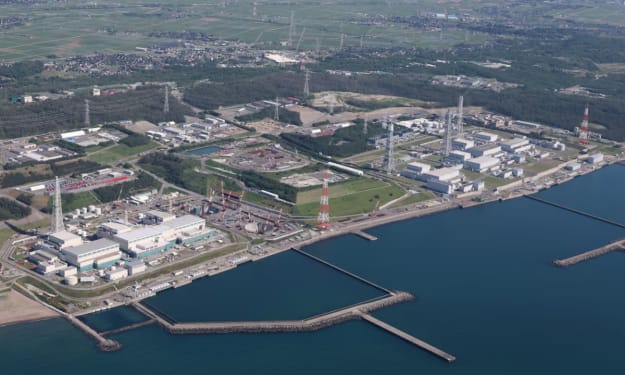
Fifteen years after the catastrophic Fukushima disaster, Japan is preparing to restart the world’s largest nuclear power plant. The decision marks a significant turning point in the country’s energy policy, reflecting both the urgent need for stable energy sources and the ongoing concerns about safety, environmental impact, and public trust. The move underscores Japan’s complex relationship with nuclear energy—a technology that has fueled the nation’s economic growth but also caused one of the worst nuclear disasters in history. The Fukushima Legacy In March 2011, a massive earthquake and tsunami triggered a meltdown at the Fukushima Daiichi Nuclear Power Plant, releasing radioactive material and forcing the evacuation of tens of thousands of residents. The disaster exposed flaws in safety regulations and emergency preparedness, reshaping public perception of nuclear energy in Japan and around the world. Following the incident, Japan shut down nearly all its nuclear reactors, relying heavily on imported fossil fuels to meet energy demand. The decision led to increased energy costs and heightened greenhouse gas emissions, creating pressure to diversify energy sources. Why Japan is Restarting Nuclear Reactors The restart of nuclear plants, including the world’s largest facility, is driven by several factors: Energy Security: Japan imports over 90% of its energy needs. Restarting nuclear plants reduces dependence on foreign fossil fuels and helps stabilize electricity supply. Climate Goals: Nuclear power generates electricity with minimal carbon emissions. As Japan commits to reducing greenhouse gases, nuclear energy offers a low-carbon alternative to coal and natural gas. Economic Considerations: Importing fossil fuels is expensive. Nuclear energy provides a relatively cheaper source of electricity in the long term, helping households and industries manage costs. The government emphasizes that advanced safety measures and rigorous inspections are in place, aiming to restore public confidence and prevent another disaster. Safety Measures and Upgrades Since 2011, Japan has invested heavily in upgrading nuclear infrastructure. Lessons from Fukushima have led to stricter regulations and improved disaster preparedness: Reinforced Reactor Buildings: Structures are now designed to withstand larger earthquakes and tsunamis. Advanced Cooling Systems: Redundant and automated cooling systems reduce the risk of overheating. Emergency Response Planning: Local governments and plant operators coordinate evacuation drills and disaster simulations. Regulatory Oversight: Japan’s Nuclear Regulation Authority (NRA) conducts independent inspections to ensure compliance with safety standards. Despite these measures, skepticism remains. Many citizens fear that no system can fully eliminate the risks associated with nuclear power, especially given the unpredictable nature of natural disasters in Japan. Public Opinion and Controversy The decision to restart the world’s biggest nuclear plant has sparked debate across Japanese society. Supporters argue that nuclear energy is essential for economic stability, energy security, and climate goals. They point out that without nuclear power, Japan would struggle to meet rising electricity demand and climate commitments. Opponents, however, raise concerns about safety, environmental impact, and long-term waste management. Memories of Fukushima remain vivid, and surveys indicate that a significant portion of the population is uneasy about returning to nuclear energy. Local communities near nuclear plants have voiced particular concern, fearing potential accidents and contamination. Economic and Energy Implications Restarting nuclear plants could have broad economic benefits. Stable electricity supply reduces the risk of blackouts, supports industrial activity, and helps control electricity prices for households. From an energy policy perspective, nuclear power allows Japan to balance its energy mix more sustainably. It complements renewable sources like solar and wind, which can fluctuate depending on weather conditions. Nuclear plants provide a steady “baseload” supply that renewables alone cannot guarantee. However, challenges remain: the disposal of radioactive waste, decommissioning older plants, and ensuring consistent regulatory oversight are all long-term concerns that Japan must address to maintain credibility and safety. Global Perspective Japan’s decision is being watched closely worldwide. The Fukushima disaster reshaped global nuclear policy, leading countries like Germany to phase out nuclear energy while others, including China and South Korea, continue to invest in it. Restarting the world’s largest nuclear plant sends a signal about Japan’s commitment to energy self-sufficiency and low-carbon power. It also raises questions about how other nations handle the balance between energy security and safety, especially as climate change increases the urgency for reliable, low-emission energy sources. Lessons Learned Fifteen years after Fukushima, Japan’s experience provides key lessons for the global community: Preparedness is Crucial: Robust safety standards and disaster response systems are essential for operating nuclear plants in seismically active regions. Public Trust Matters: Long-term energy policy must consider public perception and involve communities in decision-making. Diversified Energy Strategy: Nuclear power should be part of a broader energy mix, complemented by renewables to reduce risk and emissions. Continuous Oversight: Independent regulatory bodies and transparent operations are critical for maintaining safety and credibility. These lessons are not only relevant for Japan but also for any country considering nuclear power as part of its energy transition strategy. Conclusion The restart of Japan’s largest nuclear plant, fifteen years after the Fukushima disaster, represents both hope and caution. It promises more stable energy, lower carbon emissions, and economic benefits. At the same time, it reminds the world of the inherent risks of nuclear power and the need for rigorous safety, transparent governance, and public engagement. Japan’s journey reflects a broader challenge faced by many nations: how to meet growing energy demand and climate goals while ensuring safety, sustainability, and public trust. The coming years will reveal whether this bold step strengthens Japan’s energy future or reignites debate over the role of nuclear power in a post-Fukushima era.
By Muhammad Hassana day ago in Earth
The New Gold Rush is Happening at Wastewater Treatment Plants
I never thought much about where wastewater goes after it leaves my house until I read a study from Arizona State University. Researchers tested sewage sludge from cities across America and found something remarkable.
By Marcus Briggsabout 22 hours ago in Earth



Comments
There are no comments for this story
Be the first to respond and start the conversation.