
Why Biochar Carbon Sequestration is a Leading Method for Carbon Removal
Why Biochar Carbon Sequestration is a Leading Method for Carbon Removal

As the world grapples with climate change, carbon removal technologies are seen as crucial in achieving net-zero greenhouse gas emissions. Among these technologies, biochar carbon sequestration has emerged as one of the most promising and viable solutions. This article explores why biochar is considered one of the leading methods for carbon removal today.
1. What is Biochar and How is It Produced?
Biochar is a carbon-rich solid material produced through the pyrolysis of biomass—organic materials such as agricultural waste, forestry residues, or even urban organic waste—under low oxygen conditions. This process not only locks carbon into a stable solid form but also transforms biomass into a valuable soil amendment. Biochar’s ability to sequester carbon and improve soil health makes it a key player in carbon removal strategies.
2. Long-Term Carbon Storage Capability
One of the major advantages of biochar is its exceptional carbon stability. Unlike other forms of carbon, such as in vegetation or soil organic matter, which may degrade over time and release CO₂ back into the atmosphere, biochar can remain stable in the soil for hundreds to thousands of years. This makes it highly effective in long-term carbon storage.
The pyrolysis process alters the structure of the biomass, making the carbon more resistant to microbial degradation. As a result, biochar not only reduces the immediate carbon footprint but also provides a permanent method to lock carbon away from the atmosphere, making it a strong contender in the fight against climate change.
3. Versatility and Wide Applicability
Biochar is highly versatile and can be produced from a wide variety of organic materials. Whether it’s agricultural residues, forest waste, or even municipal solid waste, almost any organic waste can be converted into biochar. This makes biochar a globally applicable technology, especially in regions rich in biomass, such as rural areas or countries with large agricultural sectors.
In addition to its carbon sequestration capabilities, biochar also offers a range of co-benefits. It can be used as a soil amendment to improve soil fertility, enhance water retention, and reduce the need for chemical fertilizers. In regions affected by drought or soil degradation, biochar can help enhance agricultural productivity while also capturing carbon.
4. Economic and Environmental Benefits
Biochar from biochar pyrolysis equipment offers both environmental and economic advantages. The process of converting waste biomass into biochar helps reduce waste disposal costs and creates a valuable product that can be sold. This provides an opportunity for farmers, businesses, and governments to generate additional revenue while tackling climate change.
Environmentally, biochar improves soil health by increasing its ability to retain moisture and nutrients. It can also help mitigate the emission of other greenhouse gases, such as methane and nitrous oxide, from agricultural operations. This makes biochar a multi-faceted solution that supports sustainable farming practices and reduces emissions.
5. Comparison with Other Carbon Removal Technologies
While there are other carbon removal technologies such as direct air capture (DAC), ocean carbon sequestration, and afforestation, biochar stands out for its cost-effectiveness, technological maturity, and ease of implementation. Technologies like DAC can capture carbon from the atmosphere, but they are energy-intensive, expensive, and still under development. On the other hand, biochar production is relatively low-tech, affordable, and scalable, especially in areas with abundant biomass resources.
Additionally, biochar offers a more immediate impact compared to other methods, as it directly locks carbon away in a stable form that can be applied to land, benefiting both the environment and agriculture simultaneously.
6. Policy Support and Market Incentives
With the increasing urgency to reduce carbon emissions, many governments are beginning to incorporate carbon removal technologies into their climate policies. Biochar, as a leading carbon removal solution, is receiving more attention and support. In some regions, biochar projects are eligible for carbon credits under carbon trading schemes, which provide financial incentives for its production and use.
International climate agreements and funding opportunities are also helping to drive biochar research and implementation. With the right policy frameworks, biochar can become a cornerstone of global carbon removal efforts.
7. Ongoing Research and Technological Innovation
While biochar has shown great promise, its full potential is still being explored. Ongoing research is focused on optimizing the pyrolysis process to increase biochar’s carbon sequestration capacity and its effectiveness in soil improvement. Additionally, studies are looking at ways to scale up biochar production, lower costs, and ensure its long-term sustainability.
Scientists are also investigating how different feedstocks, pyrolysis conditions, and application methods affect biochar’s performance in carbon removal and soil enhancement. This continuous innovation is key to unlocking the full potential of biochar as a global carbon solution.
Biochar has emerged as a leading method for carbon removal due to its ability to store carbon for long periods, its versatility, and its environmental and economic benefits. As a relatively low-cost and scalable technology, biochar holds significant promise in addressing the global climate crisis. By transforming waste into a valuable resource, biochar can play a central role in reducing greenhouse gas emissions and enhancing agricultural sustainability, making it a crucial tool in the fight against climate change. With continued research and supportive policies, biochar could become a vital component of the global carbon removal strategy in the coming decades.
About the Creator
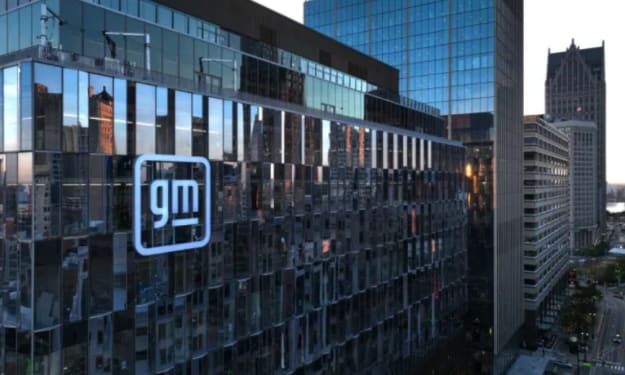
Inside GM’s New World Headquarters
Stepping inside General Motors’ new World Headquarters feels less like entering a traditional corporate office and more like walking through a carefully curated museum of American innovation. This is not just a place where executives meet and engineers design the future of mobility—it is a physical storytelling space, blending modernized midcentury design with artifacts, surprises, and subtle nods to GM’s long-standing role in shaping American culture. GM’s headquarters reimagines what a legacy company’s home can be in the 21st century. Instead of erasing the past to appear modern, GM has chosen a more thoughtful approach: honoring its roots while boldly looking ahead. The result is a workplace that feels timeless, inspiring, and unmistakably American. A Midcentury Foundation, Reimagined for Today Midcentury modern design has long been associated with optimism, functionality, and clean lines—qualities that align closely with GM’s golden age of automotive innovation. Inside the new headquarters, those principles are modernized rather than copied outright. Warm wood tones, open sightlines, and minimalist furnishings create a sense of calm and clarity. Large windows flood spaces with natural light, while carefully selected textures—stone, metal, and glass—strike a balance between comfort and precision. The design feels intentional, not flashy, proving that restraint can be just as powerful as spectacle. Rather than overwhelming visitors with branding, GM allows the architecture and materials to speak for themselves. The space communicates confidence: this is a company that knows who it is and doesn’t need to shout. Artifacts That Tell a Living Story One of the most striking aspects of GM’s headquarters is how seamlessly history is woven into everyday spaces. Instead of confining artifacts to a single exhibit room, they are placed throughout the building—quiet reminders of where GM has been and how far it has come. Vintage sketches, classic badges, early advertising materials, and scale models of iconic vehicles appear in hallways, meeting rooms, and communal areas. These artifacts are not presented as relics of a bygone era but as milestones in an ongoing journey. For employees, this daily exposure reinforces a sense of purpose and continuity. For visitors, it offers an immediate understanding of GM’s influence on design, industry, and American life. Every artifact feels carefully chosen, telling a story without overwhelming the space. Surprises Around Every Corner What truly sets GM’s new headquarters apart is its sense of discovery. The building rewards curiosity. A casual walk down a corridor might reveal a concept car display tucked into an unexpected corner or a wall featuring experimental materials being tested for future vehicles. Some spaces feel almost playful—subtle lighting shifts, interactive displays, or unexpected art installations break the formality typically associated with corporate environments. These surprises are intentional. They encourage exploration, creativity, and conversation, reminding everyone inside that innovation thrives when curiosity is nurtured. This approach reflects a broader shift in workplace philosophy. GM is no longer just a manufacturer—it is a technology-driven mobility company. The headquarters mirrors that evolution, blending seriousness of purpose with a sense of imagination. Designed for Collaboration, Not Hierarchy Gone are the rigid layouts that once defined corporate power structures. GM’s headquarters emphasizes openness and collaboration. Flexible workspaces, shared lounges, and transparent meeting rooms encourage interaction across teams and departments. This design choice aligns with the company’s push toward cross-functional thinking—essential in an era defined by electric vehicles, software integration, and autonomous technology. The physical environment supports this mindset, making it easier for ideas to move freely. Importantly, the space never feels chaotic. Zones are thoughtfully planned to balance collaboration with focus, offering quiet areas for deep work alongside energetic hubs for brainstorming and discussion. Sustainability as a Silent Statement Sustainability plays a quiet but significant role in the headquarters’ design. Energy-efficient systems, responsible material choices, and adaptive reuse strategies reflect GM’s broader commitment to a more sustainable future. Rather than advertising these efforts with bold signage, GM integrates them seamlessly into the building’s functionality. This understated approach reinforces authenticity—sustainability is not a marketing feature here, but a core value embedded in how the space operates. A Reflection of an Evolving Brand GM’s new world headquarters is more than an office—it is a brand statement. It communicates evolution without denial of history, innovation without arrogance, and ambition grounded in experience. By embracing modernized midcentury design, GM pays homage to an era when American industry believed deeply in progress. By incorporating artifacts and surprises, it acknowledges that its past still matters. And by designing for collaboration and sustainability, it signals where the company is headed next. This balance is not easy to achieve, yet GM manages it with remarkable clarity. Why This Headquarters Matters In a time when many companies struggle to redefine themselves, GM’s headquarters offers a compelling lesson: transformation does not require abandoning identity. Instead, it can be achieved by reinterpreting it. For employees, the space fosters pride and inspiration. For partners and visitors, it offers transparency and trust. For the broader public, it stands as a reminder that American icons can evolve without losing their soul. GM’s new world headquarters is not just a building—it is a narrative, told through design, history, and thoughtful surprises. It proves that when architecture aligns with values, a workplace can become a powerful symbol of where a company has been and where it is boldly going next.
By Muhammad Hassana day ago in Earth



Comments
There are no comments for this story
Be the first to respond and start the conversation.