
Why are parrots able to talk?
How do parrots manage to produce human speech?
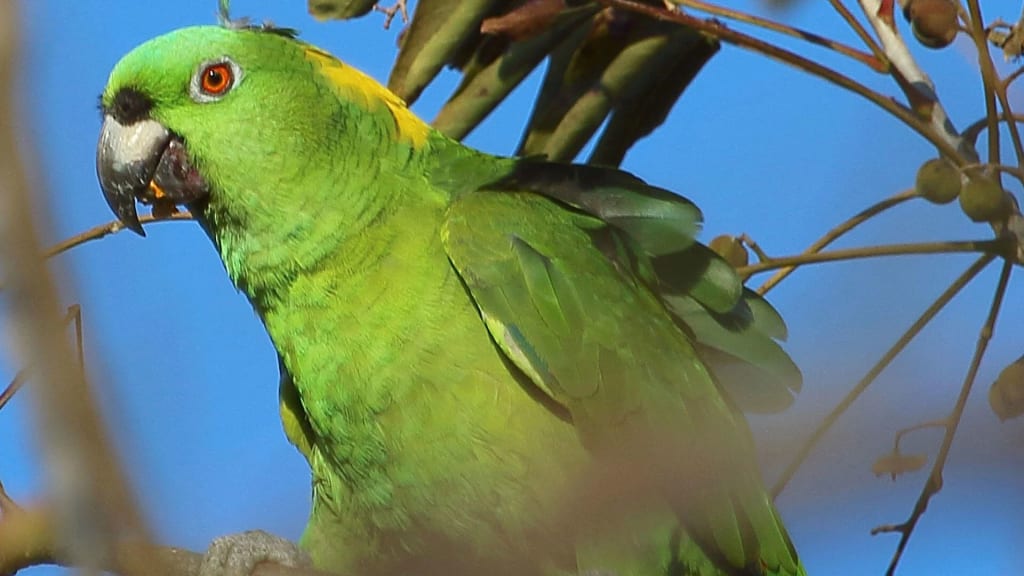
In 2010, a parrot that had acquired the same British accent as its owner went missing. Four years later, they were joyfully reunited, but during the intervening period, a notable change had occurred: the parrot had lost its British accent and now chattered away in Spanish. Parrots, along with several other bird species, possess the remarkable ability to mimic human speech. In fact, some parrots exhibit an uncanny proficiency in this skill. But how is it possible? The key lies in the highly social nature of most wild parrots. These avian creatures utilize vocalizations for various purposes, such as mating rituals, territorial displays, and coordinating group movements. Certain parrot species form flocks that continuously fragment and merge, necessitating the ability of individual parrots to communicate effectively with numerous companions. Contact calls serve as the means for parrots to interact and remain connected even when their counterparts are out of sight. However, the precise usage of these calls varies depending on the species and the size of their flocks. For instance, monk parakeets reside in large colonies and employ distinctive, personalized contact calls that aid in individual recognition. Conversely, yellow-napped Amazon parrots forage in smaller groups, which fosters the development and sharing of highly similar contact calls within their community. This needs for sophisticated mimicry likely contributes to why yellow-napped Amazons, among other parrot species, possess the ability to closely imitate an extensive array of sounds, including human speech.
So, how exactly does a parrot go about vocalizing phrases like "Polly wants a cracker"? In contrast to humans who utilize their larynx, a structure located at the top of their windpipe, composed of muscle rings and a vibrating membrane to control airflow and shape sounds into articulated words, parrots employ their syrinx. The syrinx, situated at the base of a parrot's windpipe, is the sound-producing organ. While many other bird species possess two vibrating membranes within the syrinx, parrots, similar to humans, have only one. As the sound generated by the parrot passes through its airway, the bird manipulates and shapes it using its tongue and beak. Parrots possess remarkably flexible and powerful tongues, which aid them in handling and manipulating seeds and nuts. Although a parrot's beak is rigid, it benefits from highly flexible jaw joints, granting the bird significant control over the width and speed of the beak opening. These adaptations enable parrots to finely control the shaping of sounds they produce.
Similar to other animals that possess learned vocalizations, parrot brains encompass interconnected regions that facilitate hearing, remembering, modifying, and producing complex sounds. These neural networks play a crucial role in enabling parrots to imitate and mimic various sounds, including human speech.
While songbirds possess a single song system in their brains, most parrots exhibit an additional circuitry that sets them apart. This unique neural arrangement is believed to grant parrots enhanced flexibility in learning not only the calls of their own species but also human language. Thanks to this specialized anatomy, parrots can mimic a diverse range of sounds, from barking and screaming to reciting factual information. In an extraordinary case, a lost parrot managed to find its way home by repeating its full name and address to help strangers.
However, these impressive abilities prompt the question: Do parrots genuinely understand the meaning behind their vocalizations? When captive parrots engage in talking, it is often an attempt to form social bonds in the absence of their own species. Many parrots likely associate certain words with specific responses, which may explain their capacity for uttering profanities. Nevertheless, observations have shown that parrots, particularly after training, can demonstrate an understanding of appropriate contexts and assign meaning to words. For instance, they may say "goodnight" at the end of the day, request specific treats, or even count and identify objects, indicating a level of comprehension beyond mere repetition.
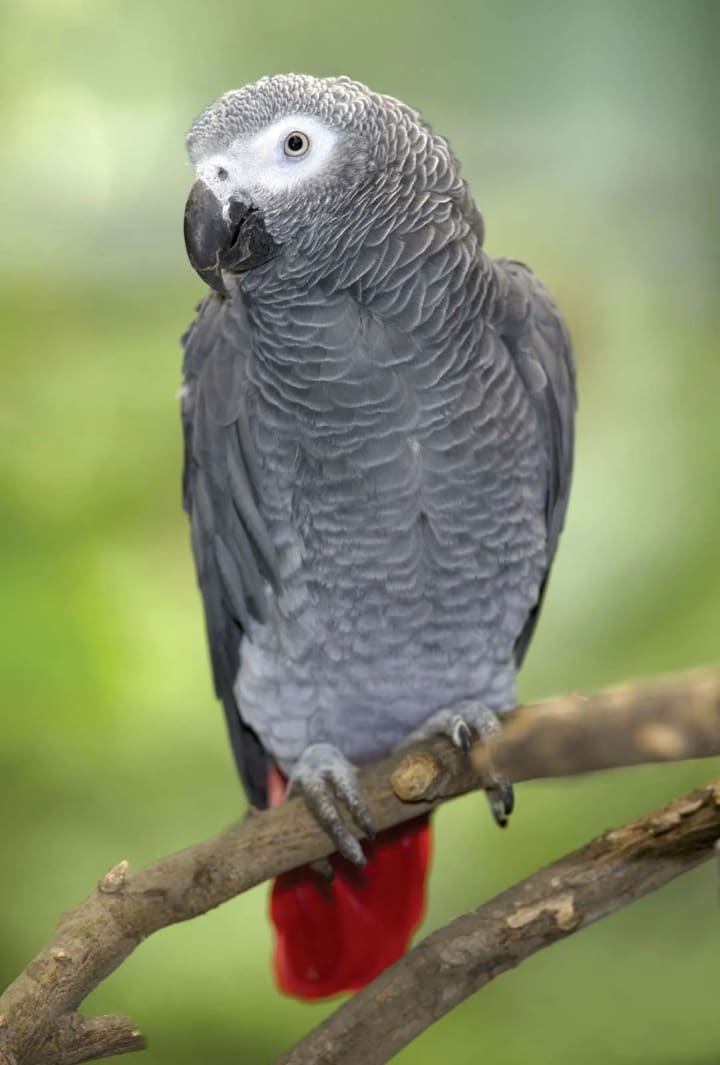
A notable African grey parrot named Alex, who underwent extensive training, achieved a remarkable milestone by becoming the first non-human animal to pose an existential question when he inquired about his own color. Parrots never cease to astonish us, whether they're showcasing their vocal prowess by singing Beyoncé hits, rocking out to classic rock tunes, or engaging in playful banter that may include colorful language directed at zoo visitors. Throughout history, parrots have consistently captivated our attention.
However, our fascination with parrots has also rendered them vulnerable. They face threats from poachers and the pet trade industry, while simultaneously losing their habitats due to deforestation. These factors have contributed to a significant decline in wild parrot populations. To truly comprehend these magnificent creatures, it is imperative that we prioritize the preservation of their natural habitats and conduct thorough studies of parrots in their wild environments. By doing so, we can gain a deeper understanding of their behaviors, characteristics, and the intricate dynamics of their existence.
About the Creator
Prajakta Surve
Just giving a try to writing in my favorite fields and genre. Hope you like it!
Keep reading
More stories from Prajakta Surve and writers in Earth and other communities.
Revealing the Invisible Cause Behind the Decline of Bees
Revealing the Invisible Cause Behind the Decline of Bees Bees may not be our main thing about eating outside these are truly essential to our biological system they're productive normal pollinators and are an I mean a ton of the food we eat depends on fertilization from honey bees tragically however they're likewise in serious peril the researchers in our next film advantageous interaction could have found one reason and it could change all that we are familiar honey bees and their biological systems beginning with a minute world that we never knew existed as of recently this is beneficial interaction from days edge creations honey bees for in excess of 100 million years they've been humming around assisting plants with duplicating we're somewhat side by side with honey bee populaces in the support and food of plants we keep plants since we want them for food honey bees are in a comparative relationship with plants where they're helping the plant and receiving something consequently honey bees gather dust to take care of to their young terrains and the hatchling eat the dust and form into grown-ups and we've generally suspected as much however the more we look the more we understand that honey bees have this quiet accomplice in their mutualism with plants and that third quiet accomplice is the organisms new exploration is uncovering that these microorganisms assume an amazing part in the existences of nature's most productive pollinators yet this revelation brings up new issues about the eventual fate of wild honey bees in a world changed by people assuming the microbial local area is distorted somehow or another it can have disastrous impacts as far as be wellbeing it is important in light of the fact that similarly as with any advantageous interaction when you eliminate one of the symbionts the advantageous interaction disintegrates.
By Prajakta Surve3 years ago in Earth
TODAY’S WEATHER NEWS ACROSS THE UNITED STATES WHAT AMERICANS SHOULD EXPECT RIGHT NOW
TODAY’S WEATHER NEWS ACROSS THE UNITED STATES WHAT AMERICANS SHOULD EXPECT RIGHT NOW Weather conditions continue to be one of the most discussed daily topics across the United States, especially as seasonal transitions bring noticeable changes in temperature, storms, and regional weather patterns. Today’s weather reflects a mix of warming trends, lingering cold pockets, and active systems affecting different parts of the country. From the West Coast to the East Coast, Americans are paying close attention to how temperatures will feel, whether rain or snow is expected, and how conditions may impact daily routines.
By America today about 3 hours ago in Earth
The Reality of the Illusion of Time
Recently, as I strolled along the short stretch to my strength training session, I aimlessly took in the row of tatty shops and shabby buildings along the route and passed an off-street, in which one of my sisters used to live, around thirteen years ago.
By Chantal Christie Weiss4 days ago in Earth
How to Succeed at the Benson Directory®
Congratulations and welcome to the Benson Directory® employee #22391! As our newest call handler, you will have the privilege of speaking with dozens of unique and interesting people on a daily basis as well as the opportunity to earn bonuses for high performance. Contained within this handbook you will find a set of ease to follow instructions designed to help you settle in to your new role and begin paving the way to success.
By S. A. Crawforda day ago in Fiction



Comments
There are no comments for this story
Be the first to respond and start the conversation.