
White Oddities of Nature: Enigmatic Plants and Animals in Shades of Snow and Pearl
A journey through nature’s rarest white wonders — where snow-colored creatures and ghostly blooms blur the line between purity and the peculiar.

In a world teeming with vibrant colors, white is often overlooked. Yet, this absence of pigment can be one of the most captivating. White in nature isn’t just about purity or simplicity—it's about contrast, camouflage, and survival. From frosty landscapes to deep caves, some of the most unusual plants and animals wear white like a silent whisper against the noise of color.

The Arctic Phantom: Beluga Whale (Delphinapterus leucas)
Gliding through icy Arctic waters, the Beluga Whale is the ocean's pale spirit. Its white skin provides camouflage among the ice floes. Unlike other whales, belugas have flexible necks, allowing them to nod and turn their heads. Their vocal nature has earned them the nickname "canaries of the sea."

The Lunar Bloom: Night-Blooming Cereus
This cactus keeps its secrets well-hidden. The Night-Blooming Cereus blossoms only once a year, and only at night. Its huge, fragrant, white flowers open under moonlight and wither before dawn. This dramatic show is not just for beauty—it’s designed to attract nocturnal pollinators like moths and bats.

Snow Camouflage: Arctic Hare (Lepus arcticus)
The Arctic Hare wears a seasonal cloak. In summer, it turns grey or brown, but in winter, its fur becomes pure white to blend with the snow. Built for extreme cold, it has shorter ears and limbs to conserve heat, and it can bound at high speeds across icy terrain.

Crystal Wings: White Morpho Butterfly (Morpho polyphemus)
Often overshadowed by its brilliant blue relatives, the White Morpho is equally stunning. Its pearly, iridescent wings shimmer with subtle hues under the light. Found in Central and South American rainforests, it floats like a living snowflake among the trees.

The Silent Sentinel: Snowy Owl (Bubo scandiacus)
With piercing yellow eyes and a thick white coat, the Snowy Owl watches silently from its perch on the tundra. Unlike most owls, it is diurnal, hunting both day and night. Its feathers provide perfect insulation against the Arctic cold and perfect camouflage from prey.

The Albino Mystery: Albino Alligator
Rare and almost mythical, the Albino Alligator lacks melanin, giving it ghost-white skin and pinkish eyes. Because of its vulnerability to sun and predators, it survives best in captivity. Yet, its strange beauty continues to fascinate all who see it.

The Snowdrop's Secret: Galanthus nivalis
Among the first flowers to bloom at the end of winter, the Snowdrop pushes through frozen soil with delicate, bell-shaped white blossoms. Its resilience has made it a symbol of hope and renewal, even in the harshest climates.

The Ivory Lace: White Peacock
Not an albino, but a genetic variant of the Indian Blue Peacock, the White Peacock dazzles in shimmering feathers that mimic lace and pearl. Its display, though devoid of color, is no less magnificent. It struts with the same pride, cloaked in elegance.

The Furry Mist: White Silkie Chicken
While “chicken” might sound mundane, the White Silkie is anything but. With feathers that feel like soft fur, black skin beneath, and five toes instead of the usual four, this ancient Chinese breed looks like a snow-dusted creature from folklore. Its ghostly fluff and calm nature have made it a prized curiosity in aviaries around the world.
Final Thoughts
White in nature isn’t empty. It speaks in quiet tones—of adaptation, of resilience, of silent beauty. It thrives in the coldest tundras, the darkest caves, and the stillest forests. Amid a world of noise and color, white stands out not by shouting, but by whispering with quiet power.
So the next time you encounter something pale and seemingly plain in the wild, take a closer look. Beneath its snowy exterior may lie one of nature’s most curious oddities, waiting to be seen.
About the Creator
A building's lifetime climate impact is mostly determined by its daily energy use.
The majority of a building's climate impact is not caused by its construction. As the heating, lighting, and ventilation systems continue to function year after year, it gradually accumulates.
By Francis Dami5 days ago in Earth
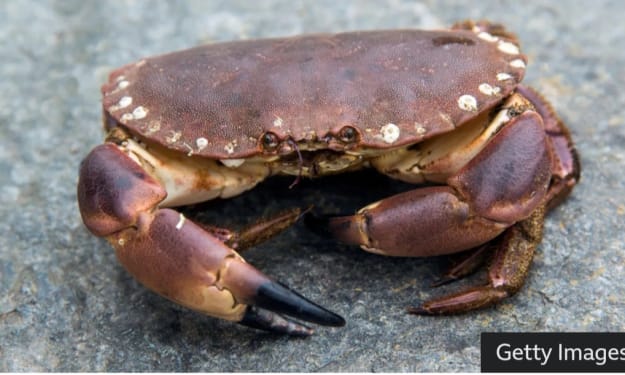
Workers Recover 15,000 Crabs After Lorry Crashes Into Field
An extraordinary scene unfolded when a lorry carrying an estimated 15,000 live crabs crashed into a field, spilling its cargo across farmland and prompting a large-scale recovery effort. The unusual accident quickly drew attention from local residents, emergency services, and animal welfare groups, as workers scrambled to rescue as many crabs as possible before they succumbed to exposure.
By Aarif Lashari6 days ago in Earth



Comments
There are no comments for this story
Be the first to respond and start the conversation.