
Whispers in the Jungle: The Hidden Life of the Sumatran Rhino
A furry legend of the rainforest, struggling not to vanish.

In the depths of Southeast Asia’s ancient rainforests, where mist clings to mossy trees and cicadas sing their high-pitched lullabies, lives a creature so elusive that even many locals have never seen it with their own eyes. It walks silently through the undergrowth, alone, shy, and covered in reddish-brown hair—an unexpected trait for a rhinoceros.
This is the Sumatran Rhino (Dicerorhinus sumatrensis), the smallest of the world’s five rhino species and one of the rarest mammals on Earth. With less than 80 individuals estimated to remain in the wild, it’s not just fighting extinction—it’s vanishing from memory.
A Hairy Surprise in the Rhinoceros Family
While most rhinos have thick, grey skin with little or no hair, the Sumatran rhino is different. It’s the only rhino species with a noticeable coat of fur. Calves are born with dense, woolly hair, while adults retain a scruffy reddish-brown covering, especially on the ears and tail.
This fur isn’t just for show. Living in humid tropical forests, the hair helps protect their skin from insects, mud, and dense vegetation. It’s a throwback to prehistoric times, as this rhino is the closest living relative to the extinct Woolly Rhinoceros that once roamed Ice Age plains.
Small but Mighty
Despite its status as a rhino, the Sumatran species is much smaller than its African and Indian cousins. Standing about 1.2 to 1.5 meters tall at the shoulder and weighing between 500 to 800 kilograms, it's still a heavyweight—but one suited to climbing steep forest slopes and navigating tangled jungle paths.
They have two horns, though the front one is more prominent. These horns are used not for fighting, but mostly for scraping bark, digging up roots, or clearing paths in the forest.
Masters of Stealth
Sumatran rhinos are incredibly shy and solitary by nature. They prefer to stay hidden in the thick jungle, moving mostly during dawn, dusk, or night. Their movements are so quiet and their camouflage so effective that even researchers tracking them with high-tech tools sometimes find only footprints, broken twigs, and... silence.
Instead of roaring or trumpeting like other large animals, these rhinos communicate through high-pitched vocalizations—chirps, whistles, and even singing sounds that are still being studied.
A Fragile Rhythm of Life
One of the biggest challenges in saving the Sumatran rhino is its very slow reproductive rate. A female can carry a baby for about 15 to 16 months, and she’ll only give birth once every 3–4 years. That’s a long wait for a new calf in a population that’s already hanging by a thread.
Adding to the struggle is the rhino’s pickiness in choosing mates. Some individuals simply don’t get along or won’t breed in captivity, which makes conservation breeding programs especially tricky.
A Shrinking Home
Historically, Sumatran rhinos roamed across much of Southeast Asia, from India to Vietnam to Malaysia and the islands of Borneo and Sumatra. But now, they’re mostly restricted to a few pockets of forest in Sumatra and possibly some remote areas in Borneo.
Why? Habitat destruction plays a massive role. Logging, agriculture, and road-building have fragmented their forest homes into isolated patches. Even if two rhinos exist in the same area, they might never find each other again.
Conserving a Living Fossil
Conservationists are racing against time. Protected areas like the Way Kambas National Park in Indonesia have become sanctuaries for a handful of these rhinos. Breeding centers like the Sumatran Rhino Sanctuary are working tirelessly to encourage natural reproduction.
One shining success came in 2012, when a captive-born rhino named Andatu was born in a sanctuary—the first Sumatran rhino born in captivity in Indonesia. It was a small but powerful reminder that hope still flickers in the jungle.
2 More Unique Facts
- Rhino Mud Spas: These rhinos are serious about skincare. They spend hours each day wallowing in mud pits, which helps them cool down, ward off parasites, and protect their skin from sunburn.
- Natural Trailblazers: As they move through the forest, they create paths that other animals often follow. In this way, they shape and support the ecosystem around them—even when unseen.
Final Thought: A Whisper That Deserves to Roar
The Sumatran rhino is more than just a rare species—it’s a living whisper from the past, echoing through the last patches of untouched rainforest. Though quiet and hidden, its presence is vital, reminding us of what’s at stake when nature is pushed to the edge.
Saving the Sumatran rhino isn’t just about protecting one animal. It’s about preserving ancient forests, respecting fragile ecosystems, and honoring a creature that has survived since the Ice Age. If we lose it now, we’re not just losing a species—we’re losing a storyteller from Earth’s wildest chapters.
Let’s not let it be a silent goodbye. Let the whisper grow louder.
About the Creator
Tidal Barrier to Be 10m Shorter to Save Money
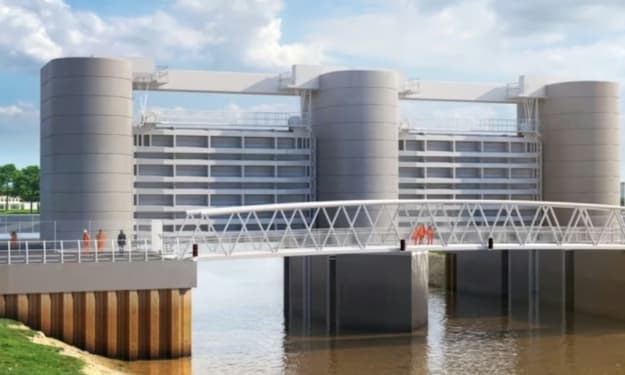
Rethinking Flood Protection in Somerset If you live near the coast, the threat of flooding isn’t just news — it’s a reality you can feel. That’s the situation in Bridgwater, Somerset, a historic market town near the Bristol Channel. For years, plans have been underway to build a tidal barrier to protect homes, businesses, and livelihoods from storm surges. Now, new updates reveal the barrier will be about 10 metres shorter than originally planned, a decision aimed at reducing costs while still keeping the town safe. This announcement has sparked conversations about engineering, budgets, and how communities adapt to climate challenges. Why the Barrier Is Being Shortened The Bridgwater Tidal Barrier was initially designed to be a high-profile flood defence, protecting thousands of properties from tidal surges that travel up the River Parrett. But after a recent design efficiency review, engineers concluded the barrier could be slightly shorter without compromising safety. Reducing the barrier by 10 metres lowers construction complexity, saves money, and reduces long-term maintenance costs. The Environment Agency and local authorities say this approach allows the project to move forward on time and on budget, ensuring the community gets protection sooner rather than later. The Cost Factor Public infrastructure projects like this don’t happen in a vacuum. Rising inflation, global supply chain disruptions, and labor shortages have increased costs for large-scale projects. Officials argue that the revised design is a responsible compromise: it balances cost savings with safety. Somerset Council leaders have welcomed the decision, noting that managing costs wisely helps the project reach completion without compromising protection for residents. Community Voices and Concerns Local engagement has been a key part of the project. Residents have attended consultations and drop-in sessions to see the updated plans and ask questions. Some community members appreciate the cost savings and faster timeline. Others worry whether a shorter barrier will be as effective against future extreme weather events. Questions include: Will the barrier remain strong against increasingly unpredictable storms? Does reducing the height limit future adaptability as climate impacts grow? What effect might it have on local ecosystems and fish habitats? These are valid concerns, reflecting how communities are increasingly involved in climate adaptation decisions. Engineering Flood Defence Today Tidal barriers are not new — Britain has relied on them for decades. London’s Thames Barrier, for instance, has protected the capital since the 1980s. But today, rising sea levels and more frequent storms mean engineers must balance safety, cost, and environmental impact carefully. In Bridgwater, officials say the revised barrier will still protect against 1-in-200-year tidal events. It’s designed to provide robust safety now while remaining adaptable for the future. The Human Side of Flood Protection It’s easy to get lost in numbers and metres, but behind the design decisions are real people. Residents depend on reliable flood protection to feel secure in their homes and communities. For families, businesses, and local services, knowing a barrier is being built — even a slightly shorter one — provides peace of mind. It’s not just a structure; it’s a symbol of resilience and preparedness. Next Steps for the Barrier The Bridgwater project is still under construction, with the revised design undergoing final refinements. Once completed, the tidal barrier will provide long-term protection for thousands of properties and critical infrastructure in Somerset. Officials emphasize that the shortened design does not compromise safety. If anything, staying on budget ensures the project is completed faster, meaning protection arrives sooner for the community. A Lesson in Climate Adaptation The story of the Bridgwater Tidal Barrier is more than engineering or economics. It’s about how communities respond to climate risks and how governments make tough choices balancing safety, cost, and sustainability. The barrier being 10 metres shorter may seem small on paper, but it reflects a larger truth: infrastructure planning today is as much about community engagement, adaptability, and long-term resilience as it is about concrete and steel. By keeping people involved and making informed, cost-effective decisions, Somerset shows how towns can adapt to climate change without sacrificing safety. Conclusion The Bridgwater Tidal Barrier demonstrates that infrastructure projects in the 21st century must adapt to multiple pressures: climate change, financial constraints, and community expectations. While the barrier is slightly shorter than originally planned, it remains a critical line of defence against flooding. More importantly, it highlights the importance of public involvement, transparency, and strategic planning in building a resilient community. For Bridgwater residents, the message is clear: the tide may rise, storms may come, but with smart planning and community engagement, the town will be ready
By Muhammad Hassan3 days ago in Earth
Red Ice Part 1
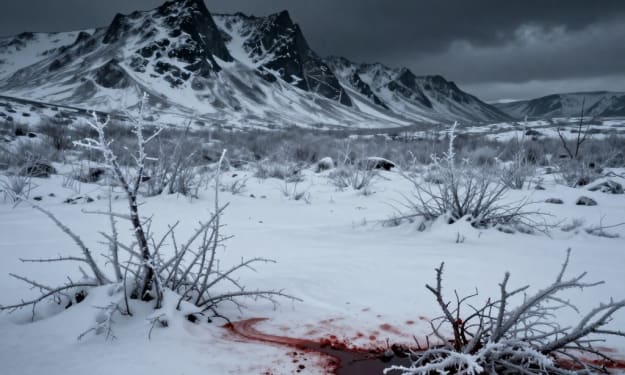
Northern Greenland, 1831 Anak finished loading the last of his equipment into his dog sled. All of his dogs were barking loudly with excitement. They knew what time it was, they knew what was about to happen. It's the middle of March and ice covers the entire region. Around this time of year, Anak and the other hunters head out for their seasonal walrus hunt. He checked his sled one final time to ensure he had everything they needed. Then he went to check on the other hunters to see of they were ready.
By Stonecreekabout 16 hours ago in Earth
Wild Card Weekend Recap: What Happens Now?
I think I figured out why I love Wild Card Weekend so much. It's because it's the first playoff anything of the calendar year. The NFL season starts in the fall, and once upon a time, the champion was crowned either on or slightly before New Year's. The evolution of the NFL schedule has resulted in the playoffs starting just into the New Year, and currently, the final week of the season falls on the first weekend of the New Year, with Wild Card Weekend coming a week after that. So yes, chronologically, the NFL's Wild Card Weekend serves as the first playoff anything of the calendar year.
By Clyde E. Dawkins6 days ago in Unbalanced


Comments
There are no comments for this story
Be the first to respond and start the conversation.