
When the Heavens Shattered
A day of fury in Buner and Swat: how today’s unimaginable cloudburst changed lives

When the Heavens Shattered
A day of fury in Buner and Swat: how today’s unimaginable cloudburst changed lives
The sky over the soaring peaks of Khyber Pakhtunkhwa was already heavy with rumble and promise, as if foretelling what was to come. But on August 15, 2025, nature delivered a blow so sudden, so devastating, that it shattered the routine of countless villages in Buner and Swat.
Morning of Doom
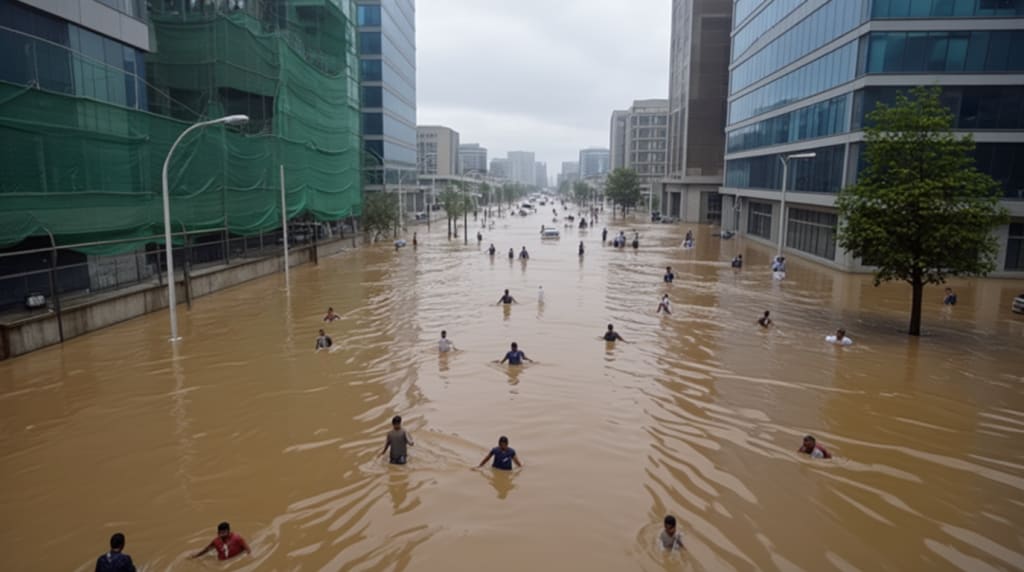
In Buner’s remote hills, villagers in places like Beshonai, Pir Baba, and Qadar Nagar went about their day—farming, fetching water, preparing for the afternoon heat. Without warning, the heavens unleashed an extraordinary downpour: over 150 mm of rain in barely an hour—an intensity no one saw coming.
Reuters
Wikipedia
+1
For many, it was like the sky had exploded. The rain turned into raging torrents. The swollen streams choked, landslides followed, and massive boulders hurtled downhill. Homes flattened like cardboard—some buried instantly. “I thought it was the end of the world,” said a local schoolteacher, his eyes still reflecting the horror.
Reuters
+1
Al Jazeera
Fallout: Death, Loss, Disbelief
By mid-day, the death toll was catastrophic. Authorities reported 307 confirmed fatalities across the region, with Buner alone accounting for 207 lives taken by the deluge or buried under landslides.
Reuters
Other counts ranged higher: some 220 dead in Buner alone
AP News
; others described over 200 lives lost and many still missing
Wikipedia
+1
Reuters
. In the remote village of Bayshonai Kalay, the air was heavy with the smell of decay as locals awaited heavy machinery to sift through the wreckage.
Reuters
Swat’s Echo of Devastation
Though Buner bore the brunt, neighboring Swat did not escape unscathed. Flash floods and landslides washed away roads, trapped villagers, and compounded the chaos. Rescue teams in boats and drones scrambled to reach survivors—though operations were delayed by damaged infrastructure and relentless rain.
Wikipedia
+1
Reuters
Adding to the tragedy, a relief helicopter crashed en route to affected areas on August 15, killing five crew members. Their loss cast a somber shadow over already grim rescue efforts.
Wikipedia
Reuters
Voices from the Ruins
Survivors are speaking through tears, recounting lives irreversibly changed:
A schoolteacher who saw homes swept away in minutes, and who believes those who survived seem lost to trauma.
Reuters
A villager from Beshonai Kalay who watched boulders smash his neighborhood; five homes vanished—forty lives lost.
Reuters
In Pir Baba, locals described a wall of water that engulfed fifty houses, and left the village unrecognizable.
Reuters
AP News
Children remain unaccounted for. Families mourn in makeshift mass funerals. Entire communities wait for food, shelter, and healing.
Climate Warning Echoed
Meteorologists and officials warn that climate change is intensifying monsoon extremes: warmer air retains more moisture, leading to devastating bursts of rainfall.
Reuters
+1
AP News
In mountainous terrains like KP, cloudbursts are especially perilous—they strike fast, hit small areas, and leave little warning.
AP News
Wikipedia
Though early warning systems exist, their reach is limited. The violent 15 August event overwhelmed everything—alarm systems, evacuations, relief.
AP News
+1
Relief, Promises, Reckoning
The provincial government and KP Chief Minister Ali Amin Gandapur pledged to rebuild. Relief camps, medical support, and funds were mobilized: initial compensation packages rolled out, along with plans for infrastructure repair and resettlement away from ruin-prone slopes.
Reuters
Wikipedia
AP News
Still, the scale of devastation demands long-term changes—better land planning, safer construction, reforestation of hills to absorb flash runoff, and improved community-based preparedness.
Remembering August 15, 2025
This day—the skies bursting, the earth giving way—is now engraved in memory. It’s not just about lives lost, but the fragile beauty of Khyber Pakhtunkhwa’s highlands. Families are rebuilding, but with grief that runs deep. Children return to schools that still bear mud scars. Roads are being cleared, but many are hesitant to walk them again.
Locals whisper that the mountains themselves wept that day—and some say they still can feel it when the monsoon rolls in. They speak of resilience born in tragedy, of communities that, though broken, hold each other tighter.
For Vocal readers, this is not just a story of loss—it’s a call to empathy, action, and recognition that in an age of warming skies, nature’s fury can arrive without warning—on wings of rain.
About the Creator
Wings of Time
I'm Wings of Time—a storyteller from Swat, Pakistan. I write immersive, researched tales of war, aviation, and history that bring the past roaring back to life
Keep reading
More stories from Wings of Time and writers in Earth and other communities.
The Old Lantern and the Journey Home – A Tale of Patience and Wisdom
"The Old Lantern and the Journey Home – A Tale of Patience and Wisdom" In a small mountain village… where nights were darker than ink, and stars seemed close enough to touch… there lived an old man who was known by everyone simply as “Lantern Baba.”
By Wings of Time 5 months ago in Earth
Time Out Market to Close in Fulton Market
After years of drawing locals and tourists alike to Fulton Market, Time Out Market Chicago is set to close its doors. The popular food hall, known for bringing together some of the city’s best chefs, artisans, and culinary experiences under one roof, has announced that it will cease operations later this year. The closure marks the end of an era for one of Chicago’s most vibrant dining destinations and reflects broader trends in the restaurant and hospitality industry that have reshaped urban dining spaces over the past decade. The Rise of Time Out Market in Fulton Market Time Out Market first opened in Chicago’s Fulton Market District in 2019, quickly gaining a reputation as a destination where visitors could sample some of the city’s most celebrated chefs and street‑food vendors all in one place. The market followed a model that had already been successful in cities like Lisbon and New York: a curated collection of high-quality, chef-driven eateries, communal seating areas, and a lively atmosphere that combined dining with culture and entertainment. Located in a district already famous for its mix of historic meatpacking warehouses and trendy loft conversions, Time Out Market quickly became a hub for both food lovers and tourists seeking an authentic Chicago experience. (timeoutmarket.com) Why the Closure Is Happening While the exact reasons behind the closure are complex, several key factors appear to have contributed: 📉 Shifting Consumer Behavior The COVID-19 pandemic dramatically changed dining habits, with many customers moving toward delivery, takeout, and smaller neighborhood restaurants rather than large food halls. Even as in-person dining rebounded, some communal spaces struggled to maintain consistent foot traffic. 💰 Operational Costs Maintaining a high-quality, multi-vendor space in Fulton Market comes with significant overhead, from leasing costs to staffing and compliance with city regulations. Rising costs for ingredients, labor, and real estate have challenged profitability. 🌆 Urban Development Trends Fulton Market has evolved rapidly, attracting corporate offices, luxury condos, and boutique hotels. While the area’s growth has been positive for real estate, it has also intensified competition for dining options and raised expectations for commercial spaces, putting additional pressure on large-scale food halls. Impact on Local Vendors and Chefs One of the hallmarks of Time Out Market was its curated roster of local vendors. From acclaimed pastry chefs to innovative street-food vendors, many found a platform at Time Out Market that allowed them to reach a wide audience without the overhead of opening a standalone restaurant. The closure will leave dozens of small business owners seeking new spaces or alternative ways to reach their customers. While some may move to other neighborhoods or pop-up concepts, others may struggle to find affordable options in the city’s increasingly expensive food scene. For food lovers, the market’s closure means the loss of a one-stop destination to sample a variety of Chicago’s culinary talent in a single, vibrant location. The Cultural Significance Time Out Market was more than just a food hall—it was a social and cultural gathering place. Its communal tables encouraged interaction, its events showcased local music and arts, and its central location made it a natural meeting point for tourists and locals alike. For many, it represented the spirit of Chicago’s Fulton Market district: a place where history, innovation, and creativity intersected. Its closure will leave a gap not only in dining options but in the neighborhood’s cultural fabric. Industry Experts Weigh In Analysts note that the closure of Time Out Market is part of a broader trend affecting large-scale food halls across the U.S.. While some continue to thrive, particularly in cities with high tourist traffic or strong corporate sponsorship, others have struggled to adapt to post-pandemic consumer habits. In interviews with hospitality experts, several key points emerged: Adaptability Is Key: Food halls that survive often offer flexible layouts, hybrid dining and retail options, or smaller-footprint satellite locations. Experience Still Matters: While convenience and takeout are important, consumers continue to seek memorable experiences. Large markets must find ways to balance these two priorities. Local Partnerships Help: Collaboration with local businesses, breweries, and cultural institutions can drive consistent traffic and community engagement. What’s Next for Fulton Market? The closure of Time Out Market opens up opportunities for other businesses. Fulton Market remains a hotspot for culinary innovation, with new restaurants, bars, and pop-up venues continuing to open each year. Some industry insiders speculate that the space may be repurposed for smaller, boutique eateries, event spaces, or mixed-use commercial developments that cater to the neighborhood’s evolving demographics. Others believe the closure may inspire new concepts that combine food, culture, and technology in innovative ways. Reflections from Visitors For regular patrons, the news is bittersweet. Many recall their first visits to Time Out Market—sampling different cuisines, sharing tables with strangers, or attending weekend events. Social media posts following the announcement highlighted memories of birthday celebrations, first dates, and casual gatherings, underscoring the market’s role in the city’s social life. “It was our go-to spot for trying new chefs,” one visitor commented. “It’s sad to see it go, but we’re hoping whatever comes next keeps that spirit alive.” Conclusion: The End of an Era, and the Beginning of Something New The closure of Time Out Market in Fulton Market represents the end of a significant chapter in Chicago’s food and cultural scene. While it may be disappointing for fans and vendors alike, it also reflects broader trends shaping urban dining, commercial real estate, and consumer behavior. As the neighborhood continues to grow and evolve, there’s hope that new concepts will emerge, preserving the community-focused, culinary-driven spirit that made Time Out Market special. In the meantime, Chicagoans and visitors alike will treasure the memories and flavors that the market brought to Fulton Market, even as the city’s food scene moves forward into a new chapter.
By Muhammad Hassan3 days ago in Earth
Greenland News
Greenland News Greenland has increasingly drawn global attention in recent years due to its political developments, environmental changes, and growing strategic importance. As the world looks more closely at the Arctic region, news from Greenland reflects a unique mix of local priorities and international interest. From climate-related challenges to economic opportunities and governance issues, Greenland continues to shape its own path while remaining closely connected to global affairs.
By America today about 6 hours ago in Earth


Comments
There are no comments for this story
Be the first to respond and start the conversation.