
When and where was Nelson Mandela born.
nelson mandela born
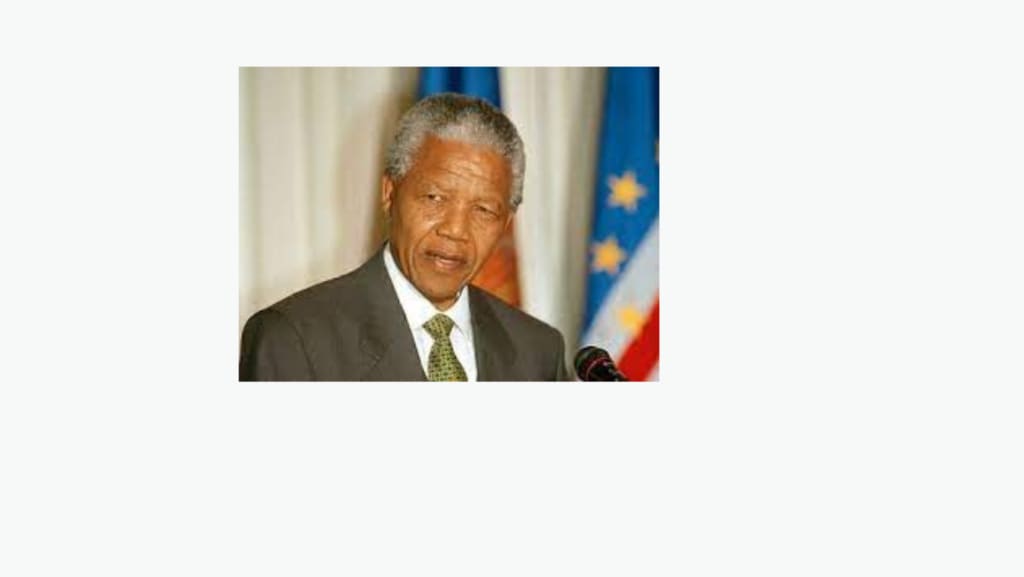
Once upon a time, in the small village of Mvezo, nestled in the rolling hills of the Eastern Cape province in South Africa, a remarkable individual was born. It was July 18, 1918, and this child would grow up to become one of the most influential and revered figures in history - Nelson Mandela.
Mvezo was a rural village, rich in Xhosa traditions and customs. It was a place where the Thembu people thrived, and it was in this close-knit community that Mandela's journey began. His birth name was Rolihlahla Mandela, which translates to "troublemaker" in the Xhosa language. Little did the world know that this "troublemaker" would go on to challenge and reshape the course of history.
Mandela was born into the Thembu royal family, and his father, Gadla Henry Mphakanyiswa, was a chief of the village. Growing up, Mandela was exposed to the rich heritage and cultural practices of the Xhosa people. He witnessed the rituals, ceremonies, and storytelling that formed the fabric of his community.
However, tragedy struck when Mandela was just nine years old. His father passed away, leaving him without a paternal figure. As a result, Mandela was sent to live with the regent of the Thembu people, Chief Jongintaba Dalindyebo, who became his guardian. This change in circumstances would shape Mandela's early years and set him on a path of leadership and activism.
Under Chief Jongintaba's care, Mandela received a formal education, a rare opportunity for a young black boy during that time. He attended a missionary school, where he was given the name Nelson by a teacher. This name would stick with him throughout his life and become synonymous with his legacy.
Mandela's education opened his eyes to the injustices and inequalities that plagued South African society. He became aware of the racial segregation and discrimination that oppressed the majority black population. This realization ignited a fire within him, a burning desire to fight for justice and equality.
As Mandela grew older, he became more involved in student politics and joined the African National Congress (ANC), a political party that would become the driving force behind the fight against apartheid. Mandela's activism placed him in the crosshairs of the apartheid regime, which sought to suppress any dissenting voices.
In 1962, Mandela was arrested and charged with sabotage and conspiracy to overthrow the government. He was sentenced to life imprisonment and sent to Robben Island, a notorious prison off the coast of Cape Town. It was here, in the confines of his cell, that Mandela would spend the next 27 years of his life.
Despite the physical and emotional hardships of imprisonment, Mandela remained steadfast in his commitment to the cause. He became a symbol of resistance, a beacon of hope for the oppressed and marginalized. His imprisonment galvanized the anti-apartheid movement, both within South Africa and across the world.
During his time in prison, Mandela's resolve only grew stronger. He educated himself, studied law, and engaged in political discussions with his fellow inmates. He became a unifying force among the prisoners, bridging divides and fostering a sense of camaraderie.
While Mandela languished in prison, the world outside was changing. The apartheid regime was facing increasing international pressure, and the calls for Mandela's release grew louder. In 1990, after 27 years behind bars, Mandela was finally set free. His release marked a turning point in South Africa's history and set the stage for a new era of hope and reconciliation.
Mandela wasted no time in seizing the opportunity to bring about change. He played a crucial role in negotiations to end apartheid and transition South Africa into a democracy. His leadership and ability to bridge divides earned him the respect and admiration of people from all walks of life.
In 1994, South Africa held its first democratic elections, and Mandela became the country's first black president. His presidency was marked by a commitment to reconciliation and nation-building. Mandela sought to heal the wounds of the past and create a society that embraced diversity and equality.
Throughout his life, Mandela remained an advocate for human rights, social justice, and peace. He dedicated himself to the eradication of poverty and the promotion of education. His efforts earned him numerous accolades, including the Nobel Peace Prize in 1993.
Nelson Mandela's life and legacy are a testament to his unwavering commitment to justice, equality, and reconciliation. His story continues to inspire people around the world, and his contributions to the fight against apartheid and the pursuit of a more just society will forever be remembered. Mandela's birth in the humble village of Mvezo may have seemed insignificant at the time, but it was the spark that ignited a revolution and changed the course of history.
About the Creator
Keep reading
More stories from MOHAMUD ABDULLE and writers in Earth and other communities.
The Somali Camel Herders
Once upon a time, in the vast and arid landscapes of Somalia, there lived a group of nomadic camel herders. These herders relied on their beloved camels for survival, as the camels provided them with milk, meat, and transportation across the harsh desert terrain.
By MOHAMUD ABDULLE2 years ago in Earth
San Francisco Shaken Today: Inside the Earthquake That Alarmed the Bay Area
**San Francisco Shaken Today: Inside the Earthquake That Alarmed the Bay Area** San Francisco experienced noticeable seismic activity today, reminding residents once again that the city sits on one of the most active earthquake zones in the world. The shaking was felt across multiple neighborhoods and nearby cities, prompting widespread discussion, concern, and a surge in online searches about what exactly happened, how serious it was, and what it could mean for the future. While earthquakes are not unusual in this region, each new tremor raises important questions about safety, preparedness, and long-term risk.
By America today a day ago in Earth



Comments (1)
Good job! Great work!