
What Wildlife Can You Spot in Sinharaja Rainforest?
A Living Relic of Nature
Sinharaja Rainforest, Sri Lanka’s last surviving stretch of primary tropical rainforest, is a masterpiece of biodiversity. Recognised as a UNESCO World Heritage Site, this dense ecosystem is a sanctuary for species found nowhere else on Earth. Its name, meaning “Lion King,” captures the sense of majesty that greets anyone who steps beneath its canopy — a world of mist, moss, and melodic birdsong. Exploring Sinharaja is less a simple trek and more a journey through an ancient biosphere where evolution still hums audibly in the rustle of leaves and the call of wildlife.
What Makes Sinharaja So Special
Sinharaja’s uniqueness lies in its extraordinary endemism. More than 60% of its trees, and about half of its animal species, exist only within this forest. Stretching across lowland hills in the island’s southwest, it creates an environment of constant humidity and filtered sunlight that sustains both life and mystery. Unlike typical wildlife reserves, Sinharaja isn’t about open landscapes and easy sightings from your eco lodge in Sri Lanka— it’s an immersive experience in observation. Every path reveals life on multiple scales, from orchids growing on ancient trunks to luminous frogs clinging to moss-covered rocks. The forest’s density demands patience, but rewards it with encounters few places on the planet can match.
Birdlife That Defines the Forest’s Soundtrack
For bird enthusiasts, Sinharaja is paradise defined. The rainforest shelters 34 endemic bird species, forming one of the richest birding sites in Asia. The Sri Lankan Blue Magpie, with its electric plumage and curious nature, is a star attraction. So too are the red-faced malkoha, the Sri Lanka hanging parrot, and the green-billed coucal — birds so striking that even a fleeting glimpse feels like discovery. Early mornings echo with their calls, blending into a soundscape that defines the forest’s soul. Mixed-species bird flocks, a rare ecological phenomenon, can contain dozens of species moving together in symbiotic rhythm — a living orchestra in motion through the trees. If you stay at a place like The Rainforest Ecolodge, you can wake up to these melodies every day on your vacation.
Mammals Hidden in the Green
While Sinharaja’s thick foliage often conceals its mammals, the forest teems with life for those who know where to look. Purple-faced langurs swing between treetops with ease, their distinctive calls breaking the hush of dawn. Toque macaques, playful and bold, often appear near forest edges. Lucky trekkers might catch sight of a giant squirrel — one of the largest in Asia — leaping between branches. The forest also shelters small but vital predators such as the golden palm civet and rusty-spotted cat, both elusive and nocturnal. Though rarely seen, their presence underscores the delicate balance of a complete and functioning ecosystem.
Reptiles, Amphibians, and the Little Things That Matter
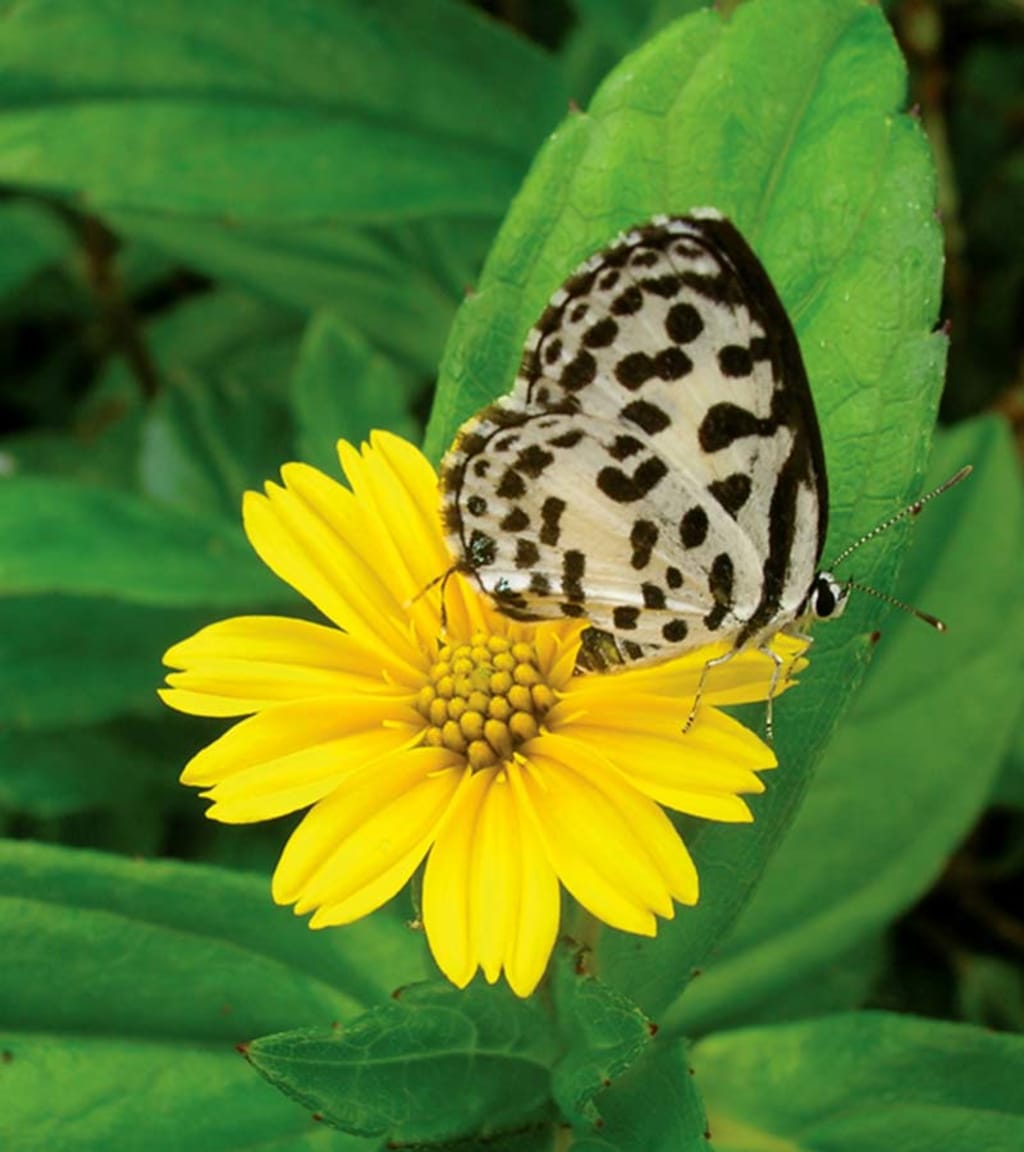
Beneath the canopy, life thrives in miniature. Sinharaja is a sanctuary for amphibians and reptiles that rank among the most unique in the world. The green pit viper and hump-nosed lizard are common sights for the observant, while frogs like the endemic shrub frog add flashes of colour to the forest floor. Butterflies, beetles, and dragonflies animate the undergrowth, each species playing a role in maintaining the forest’s ecological equilibrium. Many of these creatures exist only in this region, making Sinharaja an essential stronghold for conservation biology and one of Asia’s most valuable living laboratories.
Why Sinharaja Is More Than a Forest
To visit Sinharaja is to experience the pulse of nature in its most unfiltered form. The rainforest does not reveal its wonders quickly; it invites quiet exploration and rewards those willing to slow down. Every sound, shadow, and scent feels deliberate — a reminder that the forest’s rhythm predates humanity and persists despite it. Sinharaja is not merely a destination; it is a dialogue between earth and life, a testament to the resilience of ecosystems that still thrive when left untouched. For travellers, scientists, and dreamers alike, it stands as proof that in stillness lies the wildest kind of abundance.
About the Creator
Keep reading
More stories from ameliarosanna and writers in Earth and other communities.
What Makes Chiang Mai Stand Out Among Thailand's Top Travel Cities?
Chiang Mai has long stood apart from Thailand’s bustling southern cities and neon-soaked beaches, offering an atmosphere that feels both grounded and graceful. Set against a backdrop of misty mountains and ancient temples, this city blends deep-rooted heritage with a modern creative spirit. Once the capital of the ancient Lanna Kingdom, Chiang Mai still moves to its own unhurried rhythm, where monks walk at dawn, artisans work by hand, and cafés hum with quiet innovation. It’s not just another stop on the Thai travel circuit — it’s a place that redefines what travel can feel like.
By ameliarosanna2 months ago in Humans
White Mushroom Market Size and Forecast 2025–2033
Introduction White mushrooms—scientifically known as Agaricus bisporus—are no longer confined to salads, pizzas, and soups. Once considered a humble kitchen staple, they are now emerging as a strategic crop in the global agrifood ecosystem. Driven by sustainability trends, plant-based eating, and rising health consciousness, white mushrooms have carved out a powerful position in both consumer markets and foodservice industries.
By jaiklin Fanandisha day ago in Earth
The Devil's Cut
“Comrade, finally you’re awake.” The voice was smooth, sensual. A flickering incandescent bar was all that lit the white, sterile room. All Vladimir remembered was everything going black. He tried to move his arms and found them strapped to the gurney.
By Matthew J. Fromm3 days ago in Fiction


Comments
There are no comments for this story
Be the first to respond and start the conversation.