
What if drinking water becomes limited on earth.
Water is an invaluable resource that sustains all life forms on Earth. However, with increasing population, climate change, and water pollution, concerns about water scarcity and limited drinking water supplies have become a pressing issue. This article aims to explore the potential consequences and challenges we might face if drinking water becomes limited on Earth.
Water Scarcity: A Global Challenge
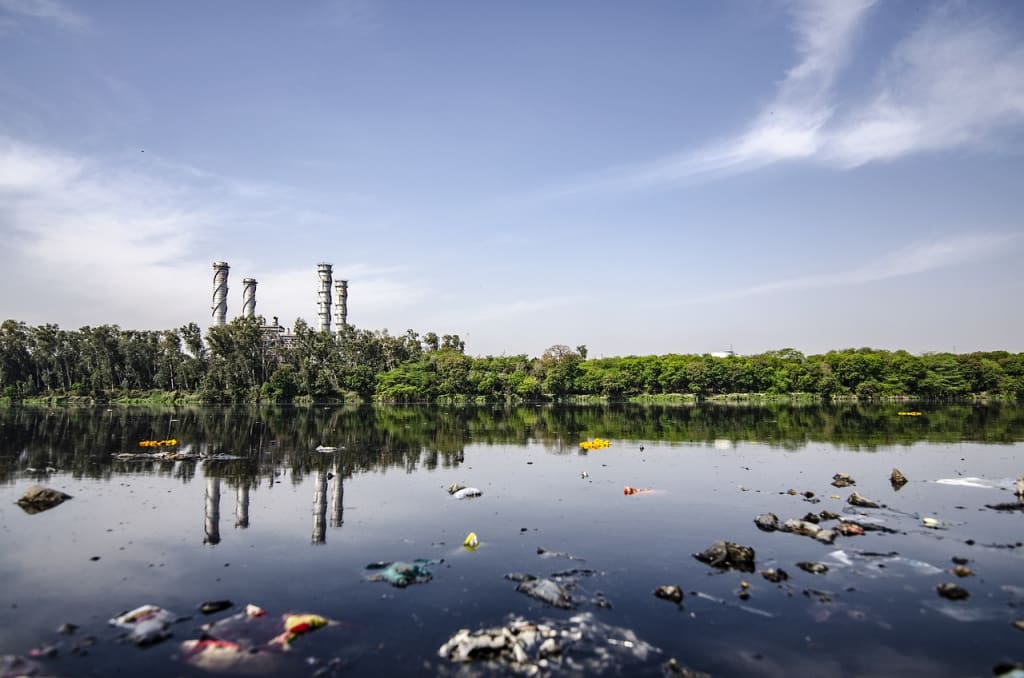
Water scarcity occurs when the demand for water exceeds the available supply in a region. According to the United Nations, more than 2 billion people worldwide already live in areas facing high water stress. As population growth continues and climate change alters precipitation patterns, water scarcity is expected to intensify. This scarcity affects not only developing nations but also regions in traditionally water-rich countries.
Health Implications
Limited access to clean drinking water poses severe health risks. Without an adequate supply of safe water, individuals are susceptible to waterborne diseases such as cholera, typhoid, and dysentery. Contaminated water can also lead to malnutrition, weakened immune systems, and other long-term health problems. The lack of proper sanitation facilities exacerbates these issues, as water scarcity often coincides with inadequate sanitation infrastructure.
Economic and Social Impact
Water scarcity can have significant economic and social consequences. Agricultural productivity suffers as farmers struggle to irrigate their crops, leading to reduced food production and increased food prices. Industries that rely on water, such as manufacturing and energy production, face challenges, potentially leading to job losses and economic downturns. Moreover, limited drinking water can create social unrest, displacement, and conflicts over access to water resources.
Ecological Consequences
Water scarcity affects ecosystems and biodiversity. Rivers, lakes, and wetlands that support a wide range of species can dry up, leading to habitat loss and threatening the survival of aquatic life. The balance of ecosystems is disrupted, impacting not only wildlife but also the availability of food and resources for human populations that depend on these ecosystems.
Innovative Solutions
Addressing water scarcity requires a multifaceted approach. Water conservation measures, such as efficient irrigation techniques and water-saving technologies, can help optimize water usage. Investing in infrastructure for water storage, treatment, and distribution is crucial. Moreover, promoting sustainable water management practices and raising awareness about the importance of water conservation are essential steps toward ensuring water security.
Desalination and Water Reuse
Desalination, the process of removing salt and other impurities from seawater, and water reuse through advanced treatment methods are potential solutions to alleviate water scarcity. While these methods have their challenges, including high energy requirements and cost, they can provide a reliable source of drinking water in coastal areas and regions with limited freshwater resources.
International Cooperation
Addressing water scarcity requires global cooperation and shared responsibility. International agreements and partnerships focused on sustainable water management, knowledge sharing, and technology transfer are vital. Collaboration among governments, organizations, and communities is necessary to develop and implement effective strategies to ensure equitable access to clean drinking water for all.
Water as a Human Right
Access to clean drinking water is recognized as a fundamental human right by the United Nations. When water becomes limited, this right is compromised, disproportionately affecting vulnerable communities and marginalized populations. Ensuring equitable access to safe drinking water should be a priority, as it is essential for human dignity, health, and well-being.
Water-Energy Nexus
Water scarcity and limited drinking water supplies are closely intertwined with energy production. Many conventional methods of extracting, treating, and distributing water require significant energy inputs. Likewise, energy generation often relies on water resources for cooling or hydropower. Thus, as water scarcity intensifies, the energy sector may face additional challenges, reinforcing the need for sustainable and renewable energy sources.
Conclusion
The prospect of limited drinking water on Earth is a daunting one, with far-reaching implications for human health, ecosystems, and socio-economic stability. However, by implementing water conservation measures, investing in innovative technologies, and fostering international cooperation, we can mitigate the effects of water scarcity. It is crucial that we recognize the importance of water as a finite resource and take proactive steps to ensure its sustainable management for future generations.
About the Creator
Keep reading
More stories from prathamesh and writers in Earth and other communities.
Human activities that damages nature
Introduction: The Earth is a magnificent ecosystem that sustains all life forms, but sadly, human activities have taken a toll on its delicate balance. In our quest for progress and development, we often overlook the adverse consequences of our actions on nature. In this blog, we will explore some of the most detrimental human activities that damage the environment, emphasizing the importance of sustainable practices and collective responsibility for preserving our planet.
By prathamesh3 years ago in Earth
Exclusive: Amazon Plans Thousands More Corporate Job Cuts Next Week, Sources Say
Amazon, one of the world’s largest e-commerce and technology companies, is reportedly planning to announce thousands of additional corporate job cuts next week, according to sources familiar with the matter. This latest round of layoffs is part of a broader trend of corporate restructuring at the company, which has seen waves of job reductions in recent months.
By Muhammad Hassan7 days ago in Earth
Pictured: British Mother Stabbed to Death in Spain
The tragic death of a British mother who was stabbed to death in Spain has sent shockwaves through both the local community where the incident occurred and her hometown in the United Kingdom. Spanish authorities have confirmed that the woman died after sustaining fatal stab wounds, and an active investigation is underway to determine the circumstances surrounding her death.
By Aarif Lashari4 days ago in Earth



Comments
There are no comments for this story
Be the first to respond and start the conversation.