
"What If All Volcanoes on Earth Erupted Together".
Unleashing Nature's Fury: Exploring the Hypothetical Catastrophe of Global Volcanic Eruptions

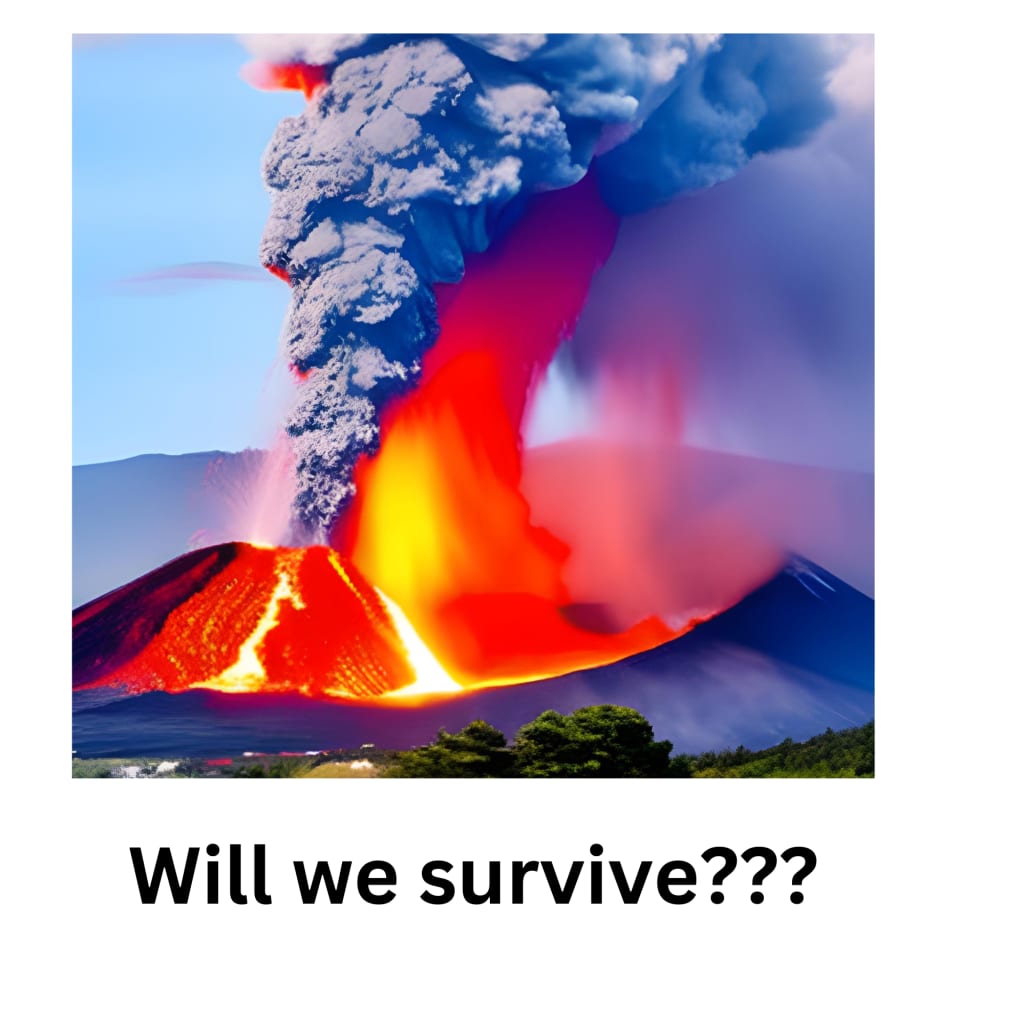
Volcanoes, awe-inspiring and powerful forces of nature have shaped our planet for millions of years. Their eruptions, while often devastating, contribute to the creation of new land and shape Earth's geology. But what if all the volcanoes on Earth were to erupt simultaneously? This cataclysmic scenario would have far-reaching consequences, altering our environment and challenging life as we know it.
First and foremost, the simultaneous eruption of all volcanoes would release an enormous amount of volcanic ash and gases into the atmosphere. Volcanic ash, composed of fine rock particles, would blanket the sky, blocking sunlight and causing a dramatic drop in global temperatures. The resulting "volcanic winter" would disrupt agriculture, leading to crop failures, food shortages, and potential famine on a global scale.
The release of gases, including sulfur dioxide, carbon dioxide, and water vapor, would also have significant impacts. Sulfur dioxide would combine with atmospheric moisture, forming sulfuric acid aerosols, which contribute to acid rain. This acidic precipitation would harm ecosystems, damage crops, and acidify bodies of water, posing a threat to aquatic life. Increased levels of carbon dioxide would exacerbate climate change, further contributing to global warming and its associated consequences.
The vast quantities of volcanic ash and gases released during simultaneous eruptions would have severe implications for air quality and human health. Breathing in volcanic ash can cause respiratory issues, including lung irritation and asthma. The fine particles would also clog air filtration systems and disrupt transportation by impairing visibility and damaging aircraft engines. Additionally, the toxic gases emitted by volcanoes can be hazardous to human health, leading to respiratory problems, eye irritation, and even death in extreme cases.
The impact on the environment would be profound. Volcanic eruptions would alter landscapes, burying vast areas in layers of ash and lava. Entire ecosystems, including forests and habitats, would be decimated. The influx of ash and debris into rivers and lakes would disrupt aquatic life, impacting fish populations and water quality. The destruction of vegetation would also increase the risk of soil erosion, leading to long-term effects on the fertility of the land.
Volcanic eruptions trigger secondary hazards, such as pyroclastic flows, lahars (mudflows), and landslides. These deadly phenomena would pose significant risks to human settlements near volcanoes. The force of pyroclastic flows, hot clouds of gas, and volcanic material can travel at high speeds, incinerating everything in their path. Lahars, a mixture of volcanic debris and water, would surge down slopes, engulfing towns and villages. Landslides triggered by volcanic activity could result in further destruction, burying communities and disrupting infrastructure.
The impact of simultaneous volcanic eruptions on the global climate would be far-reaching. The release of gases and particles into the atmosphere would alter sunlight penetration and the Earth's energy balance. This disruption would likely lead to a decrease in global temperatures in the short term, causing widespread cooling. However, the long-term effects would depend on the duration and intensity of the eruptions, as well as the composition of gases released.
Despite the widespread destruction and immediate challenges, volcanic eruptions also contribute to the renewal and creation of land. Volcanic activity forms new islands, replenishes nutrient-rich soils, and stimulates the growth of certain organisms adapted to thrive in volcanic environments. Over time, the landscape would begin to recover, and new ecosystems would emerge from the ashes, kick-starting a process of ecological succession.
It's worth noting that the simultaneous eruption of all volcanoes on Earth is an extremely unlikely scenario. Volcanic activity is sporadic and varies across the globe. However, exploring this hypothetical scenario provides us with a greater understanding of the immense power of volcanoes and the consequences they can have on our planet.
In conclusion, if all volcanoes on Earth were to erupt simultaneously, the environmental, climatic, and societal impacts would be catastrophic. From global cooling and food shortages to air pollution and the destruction of ecosystems, the world would face significant challenges. While the scenario is unlikely, it serves as a reminder of the delicate balance between the forces of nature and our reliance on a stable and functioning planet.
About the Creator
Jenny Endino
Hi, my name is Jenny.
Unveiling fascinating facts, unraveling gripping mysteries, delivering timely news, and diving into the depths of physiology. Prepare to be captivated by a world of knowledge that will leave you hungry for more.
Keep reading
More stories from Jenny Endino and writers in Earth and other communities.
Is Time Travel ACTUALLY Possible?
Is Time Travel ACTUALLY Possible? Have you ever dreamt of traveling through time? I'm sure we all have. Maybe you want to go back to the past to see how things were or even change something or would you prefer to go into the future to see how things turn out? Time travel is a mainstay of science fiction in books and movies. Imagine the benefits and risks of such an ability but is time travel actually possible and if so what do we need to be able to do to understand? How might we go about traveling through time? We must first understand what time is; classical physics saw the concept of time as something that exists for everyone everywhere in the universe. It's independent of any who perceive it and progresses at the same. Pace for everyone means that a cause is always followed by an effect never the other way around. Something that the structure of the universe relies upon the problem with this understanding of time though is that it doesn't hold true in all circumstances. That is why Einstein's theory of relativity is seen as one of the most important scientific breakthroughs ever because it explains the changing nature of time. The theory of relativity sees time as one element of four-dimensional space-time and can be influenced by other factors, objects moving at high speed.
By Jenny Endino3 years ago in Earth
Chameleon: Nature’s Master of Disguise
Few creatures in the animal kingdom capture the imagination quite like the chameleon. Known for its ability to change color, its slow, deliberate movements, and its incredible eyes that move independently, the chameleon is one of nature’s most extraordinary reptiles. These small but remarkable creatures have inspired scientists, photographers, and animal lovers for centuries.
By Aarif Lasharia day ago in Earth
Supreme Court to Review Monsanto’s Bid for Immunity in Roundup Lawsuits
The U.S. Supreme Court has agreed to review Monsanto’s appeal seeking immunity from lawsuits related to its popular herbicide, Roundup. This decision marks a critical moment for both the company and individuals claiming health damages from the chemical, which contains glyphosate—a substance under scrutiny for potential links to cancer. The review could have wide-reaching implications for corporate accountability, public health, and the legal landscape surrounding chemical products. Background on Roundup and Legal Challenges Roundup, a herbicide produced by Monsanto (now owned by Bayer), has been a staple in agriculture and home gardening for decades. Glyphosate, its active ingredient, was introduced as a highly effective solution for weed control. However, in recent years, scientific studies and lawsuits have raised concerns about its potential carcinogenic effects. Thousands of plaintiffs have claimed that exposure to Roundup caused non-Hodgkin lymphoma and other health issues. Numerous state and federal courts have seen extensive litigation, with some plaintiffs receiving multimillion-dollar verdicts. Monsanto has consistently defended the product, emphasizing that regulatory agencies worldwide have deemed glyphosate safe when used as directed. Monsanto’s Bid for Immunity Monsanto is appealing for legal immunity, arguing that its use of Roundup was regulated and approved by federal agencies, and therefore the company should not be held liable in civil lawsuits. The company contends that federal oversight should preempt individual claims, a legal doctrine known as federal preemption. In essence, Monsanto is asserting that because the Environmental Protection Agency (EPA) has evaluated and permitted glyphosate use, states or courts should not hold the company personally accountable for alleged harm. Why the Supreme Court’s Review Matters The Supreme Court’s decision to hear the case is significant for several reasons: Corporate Accountability: A ruling in favor of Monsanto could strengthen corporate defenses in cases where products are federally regulated, potentially limiting lawsuits against companies producing similar chemicals or pharmaceuticals. Public Health: Plaintiffs and advocacy groups argue that a corporate victory could undermine accountability for harmful products and reduce incentives for companies to rigorously test safety. Legal Precedent: The case could set a nationwide precedent regarding federal preemption, influencing how courts balance regulatory approval with civil liability. The Supreme Court’s interpretation could reshape the legal landscape for product liability and consumer protection in the United States. Stakeholder Perspectives Plaintiffs and Advocacy Groups For those affected by Roundup, the Supreme Court review is a critical opportunity to hold a powerful corporation accountable. Many plaintiffs argue that Monsanto failed to adequately warn users of the potential risks associated with glyphosate exposure. “People shouldn’t have to choose between using a product as intended and risking their health,” says Laura Mitchell, an attorney representing multiple plaintiffs in Roundup lawsuits. “A ruling that shields Monsanto from liability could leave victims without recourse.” Advocacy groups, such as environmental and cancer prevention organizations, emphasize that transparency and accountability are essential, particularly for chemicals widely used in agriculture and landscaping. Monsanto and Bayer Monsanto, now part of Bayer, maintains that Roundup is safe when used according to label instructions. Bayer has publicly stated that legal challenges have cost billions but that the company continues to stand behind its products. The firm argues that courts must respect federal regulatory authority to avoid creating conflicting standards between federal law and state-level lawsuits. “If companies could be held liable despite following federal regulations, it would set a concerning precedent for innovation and regulatory compliance,” a Bayer spokesperson said. Broader Implications The Supreme Court review has implications far beyond Monsanto and Roundup: Agricultural Industry: Glyphosate and similar herbicides are widely used in crop production. Legal outcomes could influence labeling, usage guidelines, and liability risk for other companies in agriculture. Consumer Products: The ruling could affect cases involving pharmaceuticals, chemicals, and other regulated products, particularly when federal agencies approve them. Regulatory Authority vs. Civil Liability: The decision may clarify the balance between federal oversight and state-level tort claims, potentially shaping how courts interpret the limits of corporate immunity. Previous Court Decisions Lower courts have issued mixed rulings in Roundup lawsuits. Some courts awarded substantial damages to plaintiffs, while others limited awards or found in favor of Monsanto. These inconsistent outcomes underscore the complexity of balancing scientific evidence, regulatory approval, and legal responsibility. Federal appeals courts have previously sided with both sides in separate cases, making Supreme Court intervention necessary to establish uniform legal standards nationwide. Public and Media Reaction Media coverage of Monsanto’s legal challenges has been extensive, reflecting public concern over chemical safety and corporate responsibility. Many reports highlight the tension between regulatory approvals and individual health claims, questioning whether federal endorsements automatically protect companies from lawsuits. Public sentiment is divided. Supporters of corporate immunity argue that companies need protection to operate and innovate without fear of excessive litigation. Opponents worry that such immunity could prioritize corporate interests over public health. What to Expect The Supreme Court will now evaluate key questions: Does federal regulatory approval preempt state-level claims of harm? Can companies be held liable even if they followed federal guidelines? How should courts balance scientific uncertainty with civil justice? The decision, expected within the next year or two, will be closely watched by lawyers, plaintiffs, corporations, and advocacy groups alike. Conclusion The Supreme Court’s review of Monsanto’s bid for immunity in Roundup lawsuits represents a landmark moment in American legal history. The case has the potential to redefine corporate liability, influence public health policy, and set precedent for future disputes involving federally regulated products. For plaintiffs, the stakes are deeply personal—seeking justice for alleged health impacts caused by widespread chemical exposure. For Monsanto and other corporations, the outcome could determine the limits of accountability in a regulated marketplace. As the Supreme Court deliberates, the nation watches closely, recognizing that the ruling will resonate far beyond Monsanto, affecting consumers, companies, and the broader debate over safety, regulation, and responsibility in the United States.
By Muhammad Hassan4 days ago in Earth




Comments
There are no comments for this story
Be the first to respond and start the conversation.