
What Are Bifacial Solar Panels
How Do They Improve Energy Yield

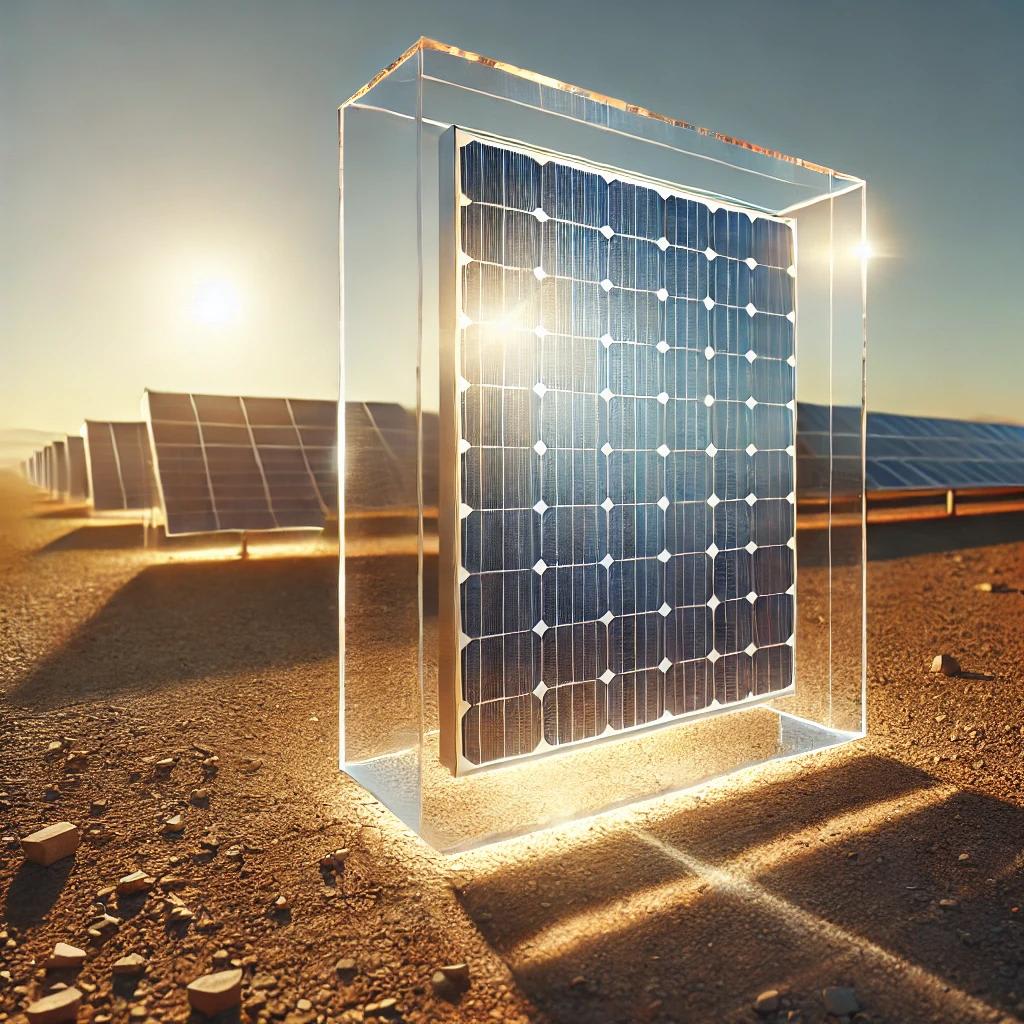
As India continues its ambitious journey toward renewable energy adoption, innovative solar technologies are emerging as game-changers in the power generation landscape. Among these advancements, bifacial solar panels have garnered significant attention for their enhanced efficiency and improved energy yield. Let's delve into what makes these panels special and why they're becoming increasingly popular in the Indian market.
Understanding Bifacial Solar Panels
Unlike traditional monofacial solar panels that capture sunlight only from the front surface, bifacial solar panels can harness solar energy from both sides. These innovative panels feature solar cells on both the front and rear surfaces, protected by transparent glass or clear backsheet material. This dual-sided design enables them to capture both direct sunlight from above and reflected light from below, significantly increasing their energy generation potential.
The Science Behind Enhanced Energy Yield
The primary advantage of bifacial solar panels lies in their ability to capture albedo radiation – the light reflected from surrounding surfaces such as concrete, water bodies, or light-colored ground covers. When installed optimally, these panels can generate 5-30% more electricity compared to traditional monofacial panels, depending on various factors like installation height, surface reflectivity, and tilt angle.
Factors Affecting Bifacial Gain
Several elements influence the additional energy yield, or "bifacial gain," of these panels:
Installation Height: Higher mounting allows more reflected light to reach the rear surface, typically requiring an elevation of at least 1 meter above the ground.
Ground Albedo: Light-colored surfaces like white gravel or concrete can reflect more sunlight, maximizing the panels' rear-side production. The albedo coefficient of the surface directly impacts energy yield.
Tilt Angle: The optimal tilt angle for bifacial panels might differ from traditional panels, as it needs to balance direct sunlight capture with reflected light collection.
Applications in the Indian Context
India's diverse geographical conditions make bifacial panels particularly attractive. In regions with high ground reflectivity, such as desert areas in Rajasthan or snow-covered regions in the Himalayas, these panels can achieve exceptional performance. Moreover, their durability and reduced degradation rates make them suitable for India's varying climate conditions.
Economic Benefits and ROI
While bifacial panels typically cost 5-10% more than traditional panels, their increased energy yield often results in a better return on investment. The additional generation can reduce the overall cost per watt, making them an economically viable choice for both utility-scale projects and commercial installations. Many developers report payback periods shorter than conventional solar installations, despite the higher initial investment.
Future Prospects and Market Growth
The bifacial solar panel market is experiencing rapid growth globally, with India emerging as a key player in adoption. As manufacturing processes improve and costs continue to decrease, these panels are expected to capture a significant market share in the coming years.
Leading the Bifacial Revolution: Waaree's Innovation
In the evolving landscape of solar technology, Waaree has emerged as a pioneering force in bringing high-quality bifacial solar panels to the Indian market. Their advanced bifacial modules feature superior manufacturing quality, enhanced durability, and industry-leading warranties. With state-of-the-art production facilities and a commitment to innovation, Waaree offers bifacial panels that consistently deliver higher energy yields and better returns on investment. Their extensive service network and technical support make them an ideal partner for those looking to embrace this cutting-edge solar technology.
Bifacial solar panels are an innovative technology that enhances energy generation by capturing sunlight from both the front and rear surfaces. Unlike traditional monofacial panels, these panels utilize reflected light (albedo radiation) from surfaces such as concrete, water, or snow, increasing energy yield by 5-30%. Factors like installation height, ground reflectivity, and tilt angle influence their efficiency.
About the Creator
Shop Waaree
https://shop.waaree.com/
Keep reading
More stories from Shop Waaree and writers in Earth and other communities.
The Impact of Extreme Weather on Solar Panel Performance
As the world increasingly turns to renewable energy sources, solar power has emerged as a front runner in the quest for sustainable electricity generation. However, with climate change causing more frequent and severe weather events, it's crucial to understand how extreme conditions affect solar panel performance. This blog explores the latest insights into how various weather phenomena impact solar energy systems and what the industry is doing to address these challenges.
By Shop Waaree about a year ago in Earth



Comments
There are no comments for this story
Be the first to respond and start the conversation.