
The Impact of Extreme Weather on Solar Panel Performance
Solar Panel Performance

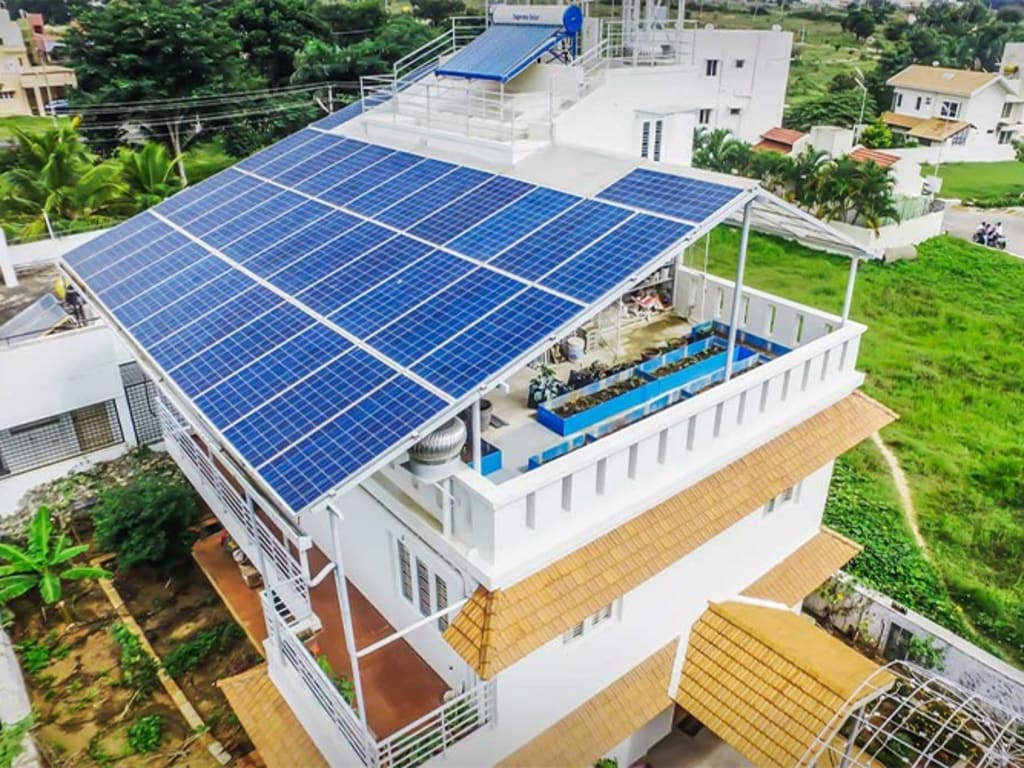
As the world increasingly turns to renewable energy sources, solar power has emerged as a front runner in the quest for sustainable electricity generation. However, with climate change causing more frequent and severe weather events, it's crucial to understand how extreme conditions affect solar panel performance. This blog explores the latest insights into how various weather phenomena impact solar energy systems and what the industry is doing to address these challenges.
Heat Waves and Solar Efficiency
Contrary to popular belief, extremely high temperatures can actually reduce solar panel efficiency. While sunlight is essential for solar energy production, excessive heat can decrease the voltage output of photovoltaic cells. Recent studies have shown that for every degree Celsius above 25°C (77°F), solar panel efficiency can drop by 0.35-0.5%. As global temperatures continue to rise, manufacturers are developing new technologies to mitigate these effects.
One promising innovation is the use of thermodynamic cooling systems integrated into solar panels. These systems help maintain optimal operating temperatures, even during intense heatwaves. Additionally, some companies are experimenting with light-coloured or reflective coatings on panels to reduce heat absorption.
Cold Snaps and Snow Accumulation
While cold temperatures generally don't harm solar panels, heavy snow accumulation can significantly reduce energy production. However, the industry has developed several solutions to combat this issue. In snow-prone areas, many modern solar installations now feature steeper tilt angles, allowing snow to slide off more easily.
Some manufacturers have also introduced self-cleaning and de-icing technologies. These systems use small amounts of the generated electricity to heat the panel surface, melting snow and ice. While this slightly reduces overall energy output, it ensures more consistent performance during the winter months.
Dust Storms and Air Pollution
In regions experiencing increased dust storms or high levels of air pollution, solar panel efficiency can be compromised by particle accumulation on the panel surface. To combat this, the industry has developed advanced anti-soiling coatings that repel dust and make panels easier to clean.
Flooding and Moisture Protection
With the rise in extreme precipitation events, protecting solar installations from water damage has become increasingly important. The industry has responded with improved waterproofing techniques for both panels and electrical components. Many manufacturers now offer IP68-rated junction boxes, which provide complete protection against dust and long-term water immersion.
Some innovative companies are even exploring the potential of floating solar farms. These installations, placed on bodies of water, not only avoid land-use conflicts but also benefit from water cooling, potentially increasing efficiency.
Looking to the Future
As the solar industry continues to adapt to the challenges posed by extreme weather, companies like Waaree are leading the charge in developing robust and efficient solar solutions. Waaree, one of India's largest solar panel manufacturers, has been at the forefront of incorporating weather-resistant technologies into their products.
Waaree's latest line of solar panels boasts enhanced durability features, including advanced anti-soiling coatings, improved impact resistance, and optimized heat management systems. By investing in research and development to address the impacts of extreme weather, Waaree is helping to ensure that solar energy remains a reliable and sustainable power source for years to come. As we face an increasingly unpredictable climate, Waaree's commitment to resilience and innovation stands as a beacon of hope for the future of renewable energy.
About the Creator
Shop Waaree
https://shop.waaree.com/
Keep reading
More stories from Shop Waaree and writers in Earth and other communities.
What Are Bifacial Solar Panels
As India continues its ambitious journey toward renewable energy adoption, innovative solar technologies are emerging as game-changers in the power generation landscape. Among these advancements, bifacial solar panels have garnered significant attention for their enhanced efficiency and improved energy yield. Let's delve into what makes these panels special and why they're becoming increasingly popular in the Indian market.
By Shop Waaree 12 months ago in Earth




Comments
There are no comments for this story
Be the first to respond and start the conversation.