
Waste Management: A Key Issue for Environmental Sustainability
There are three main pillars of waste management: prevention, reduction, and recycling.

Waste and Resource Management is the collection, transportation, processing, and disposal of waste materials. It is an important part of environmental sustainability because it helps to reduce the amount of waste that goes into landfills and incinerators, which can pollute the environment. Waste management also helps to conserve natural resources by recycling and reusing materials.
There are three main pillars of Waste Management Solution : prevention, reduction, and recycling. Prevention is the most important pillar, because it involves avoiding waste in the first place. This can be done by reducing our consumption of goods and services, and by choosing products that are made from recycled materials.
Reduction is the next step, and it involves minimizing the amount of waste that we do produce. This can be done by composting food scraps, recycling paper, plastic, and metal, and donating unwanted clothing and household goods. Recycling is the last step, and it involves converting waste materials into new products. This can help to conserve natural resources and reduce pollution.
In addition to the three pillars of waste management, there are a number of other important considerations. These include:
- Waste segregation: Waste segregation is the process of separating different types of waste into different streams. This makes it easier to recycle and compost waste materials.
- Waste treatment: Waste treatment is the process of converting waste materials into less harmful substances. This can be done through a variety of methods, such as incineration, landfilling, and composting.
- Waste disposal: Waste disposal is the final step in the waste management process. This involves permanently disposing of waste materials in a safe and environmentally responsible manner.
Waste management is a complex issue, but it is one that is essential for environmental sustainability. By implementing the principles of waste prevention, reduction, and recycling, we can reduce the amount of waste that goes into landfills and incinerators, conserve natural resources, and protect the environment.
Here are some additional facts about waste management and its impact on the environment:
- The average American produces about 4.4 pounds of trash per day.
- The United States generates about 250 million tons of municipal solid waste (MSW) per year.
- Only about 35% of MSW in the United States is recycled or composted.
- The remaining 65% of MSW is landfilled or incinerated.
- Landfilling and incineration are both major sources of air and water pollution.
- Waste management can also contribute to climate change.
The good news is that there are many things that we can do to improve waste management and reduce its environmental and energy resources management impact. By making small changes in our everyday lives, we can make a big difference.
Here are a few simple tips:
- Reduce your consumption of goods and services.
- Choose products that are made from recycled materials.
- Compost food scraps.
- Recycle paper, plastic, and metal.
- Donate unwanted clothing and household goods.
- Segregate your waste.
- Educate yourself and others about waste management.
By working together, we can create a more sustainable future for our planet.
Here are some of the benefits of waste management:
- Reduces pollution: Proper energy resources management can help to reduce pollution by preventing waste from entering the environment. This can be done by recycling, composting, and properly disposing of hazardous waste.
- Conserves natural resources: Waste management can help to conserve natural resources by recycling and reusing materials. This can help to reduce the need to extract new resources, which can help to protect the environment.
- Protects public health: Proper waste management can help to protect public health by preventing the spread of disease. This can be done by properly disposing of hazardous waste and by preventing pests and rodents from coming into contact with waste.
- Creates jobs: The waste management industry employs millions of people around the world. This includes jobs in collection, transportation, processing, and disposal.
- Saves money: Proper waste management can save money by reducing the need for landfills and incinerators. It can also save money by reducing the need to extract new resources.
- Improves the environment: Proper waste management can help to improve the environment by reducing pollution, conserving natural resources, and protecting public health.
Waste management is an important part of environmental sustainability. By implementing proper waste management practices, we can help to protect the environment and create a more sustainable future for our planet.
About the Creator
Keep reading
More stories from ierminstituteseo and writers in Earth and other communities.
How to Make Your Business More Energy Efficient
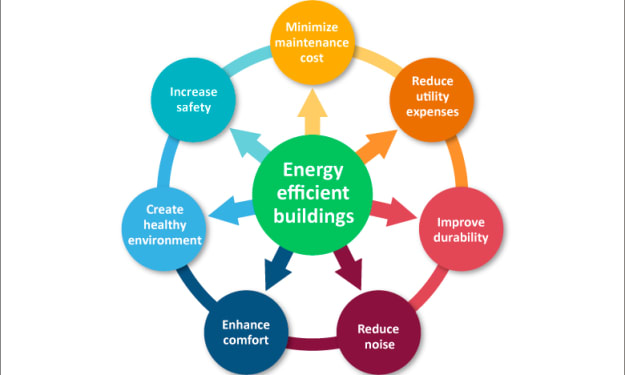
In today's economy, businesses are under increasing pressure to reduce their operating costs. One of the most effective ways to do this is to improve energy and resource management . By making your business more energy efficient, you can save money on your energy bills, reduce your environmental impact, and improve your bottom line.
By ierminstituteseo3 years ago in Earth
Under the Quiet Sky
Under the Quiet Sky The city wakes before the sun, breathing smoke, horns, and hurried footsteps. From the fourth floor of an aging apartment, Ayman watches the morning unfold like a restless tide. He is a delivery rider, a job built on speed, yet his own life moves slowly, measured by prayers whispered between traffic lights and thoughts carried across bridges. People notice his green jacket, not his eyes. They see the package, not the person holding it.
By Imran Hossain6 days ago in Earth
Lately, I'm empty
Lately, I feel an emptiness inside of me that doesn’t make any sense. I was fine a week ago and now I’m numb to the pain that I’ve been carrying around. Numb to the idea of me existing. I wish I could go to a place where I can hear happy positive thoughts and surround myself with joy. The medication I’m on doesn’t seem to work anymore. I still feel pain from existing, why am I here anyways? Merely to exist. I don’t feel like I’m making any differences being here.
By Cerina Galvan5 days ago in Confessions


Comments
There are no comments for this story
Be the first to respond and start the conversation.