
Visit Niagara Falls: Nature's Most Spectacular Wonder
"Experience the Power and Beauty of the Falls"
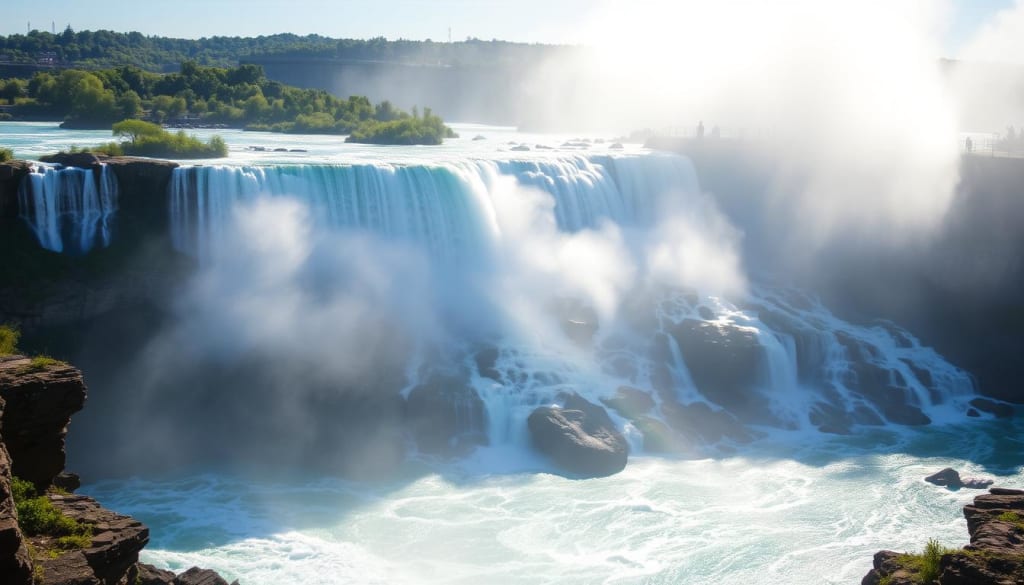
Niagara Falls is a breathtaking wonder on the US-Canada border. It draws millions each year. The falls include American, Bridal Veil, and Horseshoe Falls, showcasing nature's power and beauty.
The sound of the water and the views are unforgettable. Niagara Falls truly is one of the world's most spectacular sights.
Key Takeaways
- Niagara Falls is a captivating natural wonder located on the border of the United States and Canada.
- The falls consist of three distinct waterfalls: American Falls, Bridal Veil Falls, and Horseshoe Falls.
- Niagara Falls attracts millions of visitors annually, offering stunning views and a powerful display of nature's force.
- The area is known for its scenic beauty, hydroelectric power generation, and various tourist attractions.
- Visiting Niagara Falls is a must-see experience for those seeking to witness the grandeur of nature.
Introduction to Niagara Falls: Where Nature Meets Majesty
Niagara Falls is a natural wonder that draws people in. It's where the Niagara River flows from Lake Erie to Lake Ontario. This place has been a favorite for honeymoons and has inspired many artists and writers.
The area around the falls is beautiful and has modern comforts. It's perfect for those who love adventure and relaxation. Niagara Falls shows the power of nature and is a top tourist spot.
"Niagara Falls is the most wonderful sight in the world. It is the most beautiful object I have ever seen." - Charles Dickens
Many adventurers have tried to conquer Niagara Falls. Annie Edson Taylor was the first to survive going over in a barrel. Today, people still try daring stunts here.
Now, you can see Niagara Falls safely on boat tours. Niagara City Cruises give great views of the falls. You can see the American, Bridal Veil, and Horseshoe Falls up close.
Looking for a romantic trip, a family adventure, or just amazing views? Niagara Falls has it all. It's a place that truly captures your heart and leaves a lasting memory.
The Geographic Marvel of the Niagara River System
The Niagara River system is a natural wonder between New York and Ontario. It's a key part of the Great Lakes watershed. The waters from four Great Lakes flow into it, showing how connected North America's water is. This leads to stunning waterfalls that draw tourists from everywhere.
American Falls and Bridal Veil Falls
The American Falls and Bridal Veil Falls are on the U.S. side. They are powerful and beautiful. These waterfalls drop into the Niagara Gorge, creating a breathtaking sight.
Horseshoe Falls on the Canadian Side
The Horseshoe Falls are on the Canadian side. They are a crescent-shaped waterfall with a powerful flow. Their changing patterns make them a natural wonder.
The Great Lakes Connection
The Niagara River connects Lake Erie and Lake Ontario. It carries water from four Great Lakes to the Atlantic Ocean. This unique spot is fascinating to explorers, scientists, and tourists.
"The power of Niagara Falls is indeed impressive, but its true majesty lies in the interconnectedness of the Great Lakes system that feeds it." - Dr. Emily Wilkins, Hydrologist
Best Times to Visit Niagara Falls
Niagara Falls is a year-round destination, offering something for everyone. The summer months (June to August) are the busiest, with warm weather and all attractions open. But, there are also great options in the other seasons.
In spring (April to May) and fall (September to October), the weather is milder and there are fewer people. This makes it easier to explore the Falls up close. Winter (November to March) is special, with the Falls frozen, but some spots might be closed.
- Summer (June to August): Warm weather, peak tourist season, full access to attractions
- Spring (April to May) and Fall (September to October): Milder temperatures, smaller crowds
- Winter (November to March): Unique frozen landscape, limited access to some attractions
When planning a trip to Niagara Falls, think about the weather, crowds, and events. This way, you can have the best visit. By checking out the seasonal attractions and tourism options, you can make your trip unforgettable.
"Niagara Falls is a place of power, a place of beauty, and a place of wonder. No matter when you visit, the Falls will leave you in awe." - Jane Doe, Travel Journalist
Planning Your Journey to the Cataracts
Planning a trip to see Niagara Falls is important. You can get there by car, bus, or other public transport. Once you arrive, you'll find many places to stay, from fancy hotels to cheap motels. Also, knowing some travel tips can make your trip better.
Transportation Options
The nearest big airports are in Buffalo, New York, and Toronto, Ontario. They make it easy for people from the U.S. and abroad to get there. Buses are another good choice, offering a cheap and reliable way to the falls. Driving is also popular, with lots of parking near the main sights.
Accommodation Choices
Niagara Falls has many places to stay, for every budget and taste. You can find luxury hotels with great views, or more affordable options like motels and vacation rentals. It's a good idea to book early, especially when it's busy, to get the best deals.
Essential Travel Tips
- Wear clothes that can handle the weather, including layers and waterproof stuff for boat tours.
- Make sure you have a valid passport if you're crossing the U.S.-Canada border.
- Book popular spots early to avoid long waits during busy times.
- Watch out for the mist and spray from the falls, it can be strong at some spots.
Thinking about how to get there, where to stay, and some travel tips can make your trip to Niagara Falls unforgettable.
Must-Experience Attractions at Niagara Falls
Visiting Niagara Falls is a dream for many. It's packed with attractions that make it unforgettable. From the Maid of the Mist boat tour to the Skylon Tower, there's something for everyone.
The Maid of the Mist boat tour is a highlight. It takes you close to the Horseshoe Falls. This tour has been thrilling visitors for over 150 years.
The Cave of the Winds is another must-see. Here, you can see the falls up close and explore caves. The Niagara Falls State Park offers great views and trails, plus history lessons.
The Skylon Tower gives you a bird's-eye view of the falls. You can see the Niagara River from 775 feet up. Don't miss the Journey Behind the Falls and the local museums and gardens.
Looking for adventure, stunning views, or history? Niagara Falls has it all. It's a natural wonder that should be on your travel list.
"Niagara Falls is a place of power, a place of beauty, and a place that has captured the imagination of people from all over the world."
The Power of Nature: Hydroelectric Generation
Niagara Falls has been a key source of hydroelectric power since the late 19th century. It drives clean energy production in both the United States and Canada. Today, it's a crucial part of the region's energy mix, balancing nature with the need for green power.
Historical Development
The first hydroelectric plant at Niagara Falls opened in 1895. Since then, the facilities have grown, using new tech to boost efficiency. This has made Niagara Falls a top spot for hydroelectric power, helping the area's energy needs.
Modern Power Production
Niagara Falls' power is managed to protect the environment and support tourism. Modern plants use advanced tech to make more power with less harm. They adjust water flow to meet energy needs without hurting the falls' beauty.
Environmental Impact
Hydroelectric power at Niagara Falls is key for the environment. It's clean and doesn't pollute. The plants work hard to keep the area's ecosystem safe, supporting local wildlife and nature.
"Harnessing the power of Niagara Falls for clean energy has been a remarkable feat of engineering and environmental stewardship. It's a testament to humanity's ability to work in harmony with nature to address our growing energy needs."
International Tourism: Bridging Two Nations
Niagara Falls is a special place, drawing visitors from the U.S., Canada, and worldwide. It symbolizes the cooperation between the two countries. Here, you can see the cultural differences and similarities between the American and Canadian sides.
The border between the American and Canadian sides of Niagara Falls is more than a physical line. It shows a shared goal to protect and promote this natural wonder. Visitors can cross the border easily to see both sides of the falls. They can enjoy the unique experiences each nation offers.

The tourism industry on both sides of the border has faced challenges. These include the COVID-19 pandemic, diplomatic tensions, and climate change. Yet, the shared commitment to Niagara Falls has helped the two nations work together. They continue to offer a top-notch international border tourism experience.
"Niagara Falls is a testament to the power of international cooperation, where two nations come together to preserve and promote one of the world's most magnificent natural wonders."
Looking ahead, Niagara Falls will remain a key destination for tourists. They will come to see the natural and cultural beauty that spans the international border.
Conservation Efforts and Environmental Protection
At Niagara Falls, we are dedicated to protecting the environment and wildlife. We use many methods to keep this natural wonder safe. Our goal is to preserve the ecosystem around this iconic place.
Preservation Initiatives
The U.S. and Canadian governments work together to protect Niagara Falls. They have started several preservation projects. These projects include:
- Managing water flow to keep the falls beautiful and power generation balanced
- Stopping erosion to protect the shoreline and landscape
- Keeping habitats safe for the plants and animals of the Niagara region
Wildlife Protection Programs
We have special programs to protect the wildlife of Niagara. These programs focus on:
- Watching over native species like peregrine falcons and Lake Sturgeon
- Reducing human impact on sensitive habitats for better wildlife and visitor coexistence
- Working with local groups to teach people about responsible tourism
Future Sustainability Plans
We are committed to a sustainable future for Niagara Falls. Our plans include:
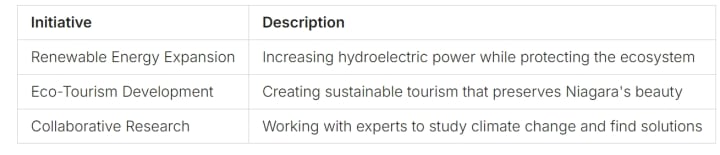
We want to keep Niagara Falls a natural wonder for future generations. By focusing on conservation and wildlife protection, we aim to preserve this iconic place.
Cultural Impact and Historical Significance
Niagara Falls has deeply influenced North America's culture and history. It has amazed artists, authors, and filmmakers for ages. Their works have made it a legendary landmark.
Since European settlers first saw it, Niagara Falls has been a key part of history. It has seen brave stunts and major events. Its massive size and power show the wild beauty of nature, attracting millions yearly.
The falls have also driven the local economy and industry. Its hydroelectric power helped the area grow. This mix of beauty and use has made it even more important.
Today, Niagara Falls still inspires and shows nature's lasting power. It has sparked many artistic and literary works. Its history is a source of pride for nearby communities.
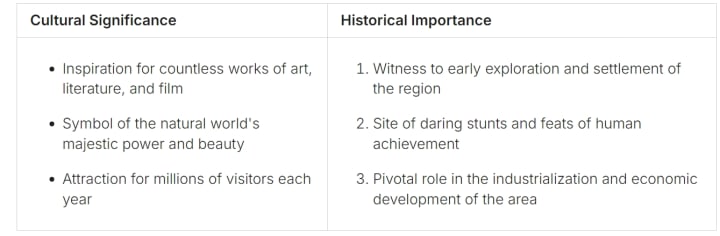
- "Niagara Falls is a testament to the enduring power and beauty of the natural world. Its cultural impact and historical significance continue to inspire and captivate people from around the globe."
Conclusion
Niagara Falls is a world wonder that mixes natural beauty, adventure, and culture. It's not just a tourist spot. It's also key for the environment, energy, and global cooperation. As we keep it safe, Niagara Falls will always amaze and inspire people.
The number of visitors to Niagara Falls has grown a lot. This shows more people want to see this amazing place. The article's update proves Niagara Falls remains a top spot for everyone to visit.
Niagara Falls has the American Falls, Bridal Veil Falls, and the huge Horseshoe Falls. It's part of the Great Lakes and helps make electricity. This makes it a special place that draws in visitors and locals.
FAQ
What makes Niagara Falls a unique natural wonder?
Niagara Falls is a stunning natural wonder on the U.S.-Canada border. It has three waterfalls: American Falls, Bridal Veil Falls, and Horseshoe Falls. These falls draw millions each year with their breathtaking views and powerful force.
How is Niagara Falls formed and what is its connection to the Great Lakes?
Niagara Falls is created by the Niagara River flowing from Lake Erie to Lake Ontario. It's fed by water from four Great Lakes, showing how connected North America's freshwater system is.
What are the best times of year to visit Niagara Falls?
Niagara Falls offers different experiences all year. Summer (June to August) is the busiest time with warm weather and open attractions. Spring (April to May) and Fall (September to October) have milder weather and fewer crowds. Winter (November to March) is icy but some attractions are closed.
How can I plan my trip to Niagara Falls?
You can get to Niagara Falls by car, bus, or plane. Nearby airports are in Buffalo, NY, and Toronto, ON. There are many places to stay, from luxury hotels to budget motels. Remember to pack right for the season, bring waterproof gear, and have a valid passport.
What are the must-see attractions at Niagara Falls?
Must-see spots include the Maid of the Mist boat tour and the Cave of the Winds. Niagara Falls State Park and Journey Behind the Falls are also key. Don't miss the Skylon Tower for amazing views. There are also hiking trails, gardens, and museums nearby.
How is Niagara Falls harnessed for hydroelectric power?
Niagara Falls has been a major source of clean energy since the late 19th century. The power is managed to balance energy needs with environmental and tourism goals. Modern facilities aim to reduce ecological harm while increasing energy output.
How does Niagara Falls serve as an international destination?
Niagara Falls is a unique spot for both U.S. and Canadian visitors, and people worldwide. It symbolizes cooperation between the two nations, with shared management and tourism efforts.
What conservation efforts are in place to protect Niagara Falls?
There are many efforts to protect Niagara Falls and its ecosystem. These include managing water flow, controlling erosion, and preserving habitats. Both the U.S. and Canada have policies to ensure the falls' long-term health.
What is the cultural and historical significance of Niagara Falls?
Niagara Falls has a big role in North American history and culture. It's featured in many films, books, and artworks. The falls have seen important events and continue to inspire awe and symbolize natural beauty and power.
About the Creator
Keep reading
More stories from saru winner2012 and writers in Earth and other communities.
Spooky Halloween Fun: Tricks, Treats & Decorations
Halloween is a holiday loved by many, filled with spooky fun. It includes creative costumes, haunted decorations, and trick-or-treating. This guide will give you all the inspiration and tips for a frighteningly good time in October.
By saru winner2012about a year ago in Chapters
Why Peet’s Coffee Is Closing Multiple Bay Area Shops After the Keurig Dr Pepper Takeover
Coffee shops are more than places where we grab a morning latte. Especially in the Bay Area, Peet’s Coffee has been part of many people’s daily routines, college memories, and work‑meeting rituals. So when customers learned that several Bay Area locations were closing just months after Peet’s was acquired by Keurig Dr Pepper, the reaction wasn’t just curiosity — it was emotional.
By Muhammad Hassan2 days ago in Earth
Rice Market Size and Forecast 2025: A Global Staple Navigating Growth, Trade, and Transformation
Global Rice Market Outlook: Growth Rooted in Necessity Rice is more than just a crop — it is the backbone of food security for billions. As one of the world’s most consumed cereal grains, rice continues to play a central role in global agriculture, nutrition, and trade. According to Renub Research, the global rice market is projected to reach US$ 378.41 billion by 2033, up from US$ 305.14 billion in 2024, growing at a CAGR of 2.42% from 2025 to 2033.
By Sushant. Renub Research3 days ago in Earth
🅼🅸🅳🅽🅸🅶🅷🆃 🆂🅽🅰🅲🅺🆂
"It's 10 in Tuscon! We all know what that means... It's Time for Midnight Snacks with your man, Gerald Gee! Ready to spend the night together? Me too! I'm full of snacks and can't wait to regurgitate them all back into your hungry ears. Crack a brew! Pop some corn! Anything to get ready for one hell of a show where the talk maybe cheap but the words cut deep...
By Lamar Wigginsa day ago in Fiction



Comments
There are no comments for this story
Be the first to respond and start the conversation.