
Vanishing River Eggs and Deadly Floods: Pakistan’s frightening Climate Crisis
Floods existed before humans civilisation, so why are they deadly? May be it’s not thats wild, but our development dreams drowning in ignorance. Pakistan’s floods expose the cracks in the system.
Asif Mohmand
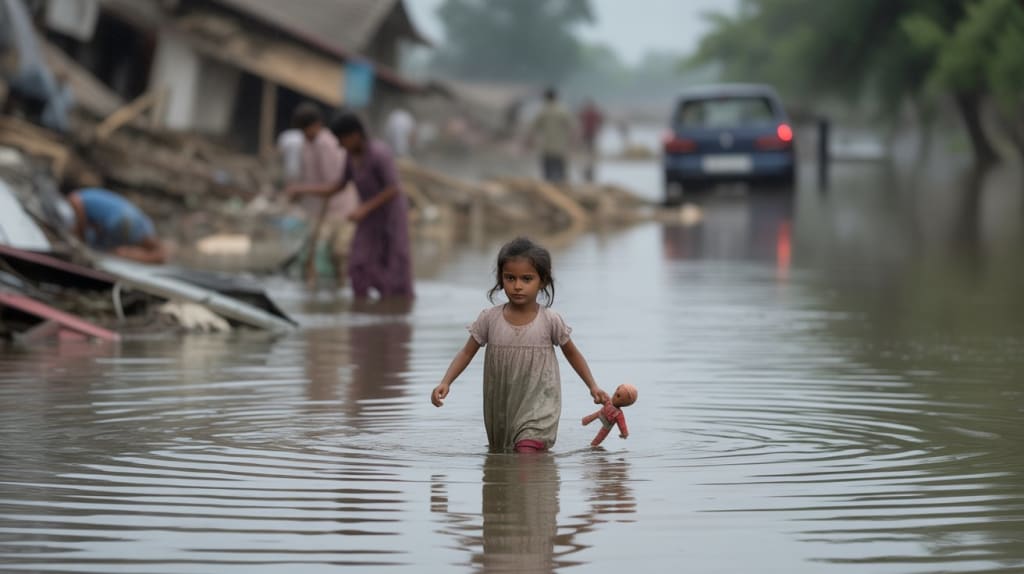
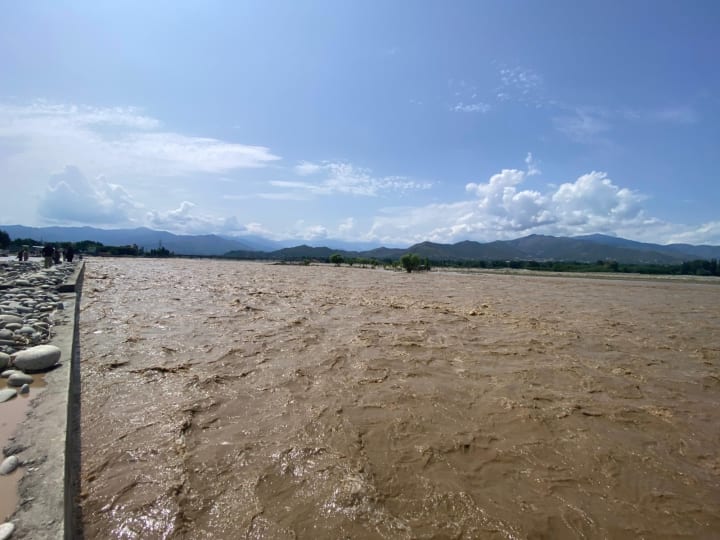
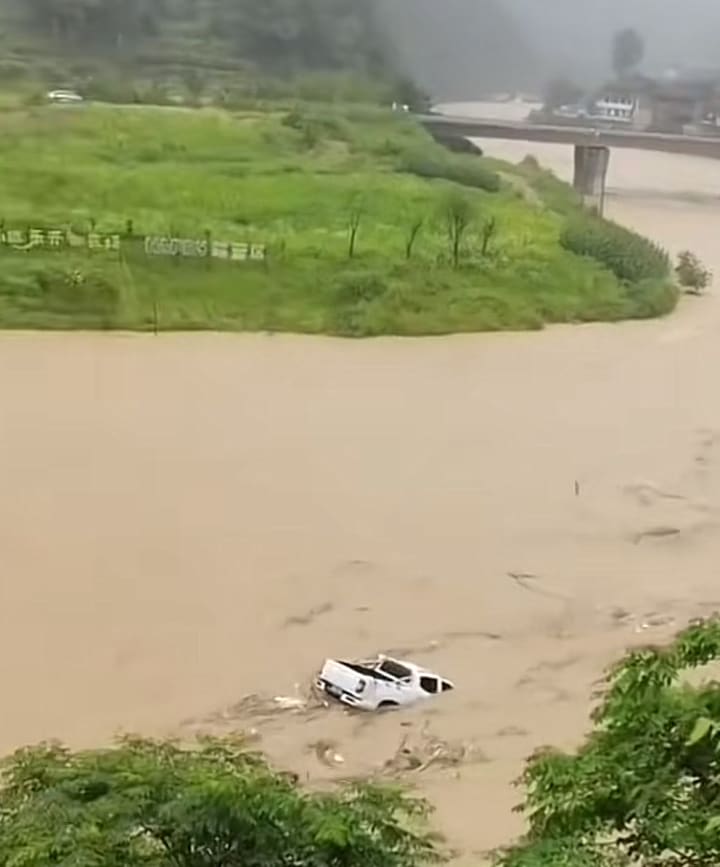
At least 279 people died and more then 600 injured in early predicted harsh monsoon in Pakistan, devastating monsoon rains have wreaked havoc across Pakistan. The country has witnessed intense rains, storms and flash floods since June 26 till the end of July, from the capital Islamabad to remote villages, in various viral videos across the country, cars submerged in floodwaters, tourists in the northern areas, children and women sinking have shocked the nation. The Pakistan Meteorological Department PMD admitted that extreme weather events increasing in last 15 years, and the experts link this surge in extreme weather events to climate change, while some experts believe that Pakistan’s floods have a different tale. Why do floods occur? Who is responsible for the disappearance of river eggs? Why is Pakistan so vulnerable to flooding? Were the floods that predate human civilization purely destructive, or can floods also bringing benefits.
River Swat lost its eggs
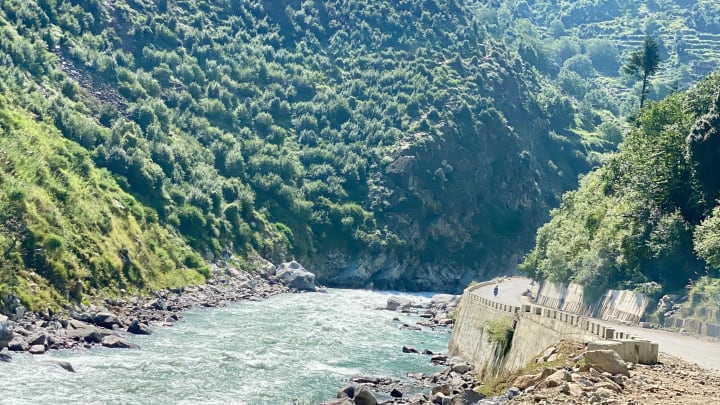
In the northern Pakistan, Swat district inhabitants have a century old saying! “The stones are the eggs of river and one day the river will come to hatch them”. This adage was the sign of harmony with nature for the natives on the banks of Swat River, which is now buried under tons of concrete. In past, whenever people start digging around the river for house or agricultural purposes and find smooth stones during excavating, they would immediately discard their intention, because they stink that the flood water would come here one day, and it can vanished their dreams. On June 27, 13 tourists who had lost their lives in floods had no idea what the river's "eggs" actually meant, a mystery equally lost on both the government and local residents. For years now, both legally and illegally, they’ve been cashing in by swallowing the river’s stones, all while turning a blind eye to the meaning behind them.
In Sanskrit, the Swat River is known as "Suvastu," meaning clear blue water. The River originates from the glaciers of the Hindu Kush mountain range and the Ushu and Gabral streams in Kalam. After traveling approximately 240 KM, it joins the Kabul River in Charsadda District. As the lifeline of the Swat Valley, it has long sustained the scholarly and cultural heart of the Gandhara civilisation, and was a major hub of Buddhist astronomy pilgrimage.
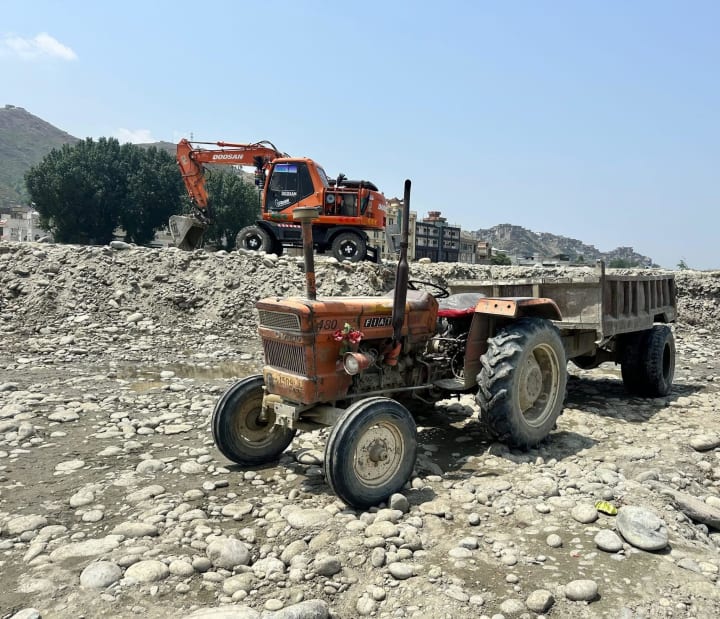
On June 27, while the world was watching the video of 13 unaided tourists drowning in the Swat river flood, a journalist friend of Swat, Arif Ahmad Yousafzai Multimedia Journalist, was contacted for the updates. Arif has heard river eggs saying from his grandfather and many stories of flash floods. Arif has reported the government and state apathy towards rescuing tourists in the recent floods. However, he desolately told about those who have a lodge of historical rituals that those people have passed away for 40 years. The eggs, which were a flood forecast for the local’s acres away from the river, have now come to the bottom of the river by the government and non-government people to grab it. Arif lamented that legal and illegal people mining river crush, heave machinery digging river while the government generate revenue from the same, similarly hotels mafias grabbing the banks. Responding to a question on locals recue, he said if the incident was occurred in upper swat locals may save the tourists, as in monsoon they usually keep ropes and other equipments for such incidents. According to Arif, people in upper Swat still understand the behavior of the river. However, in the area where the incident occurred, Bypass Fizagat locals have turned the land into a tourist spot to earn money. They rent out or sell plots for hotels to outsiders and they don’t know the nature of the river especially in monsoon, concrete buildings on river bank blocking the water flow and one of the reason it increased the water flow resulting damages.
Flood Alerts in Ancient Myths
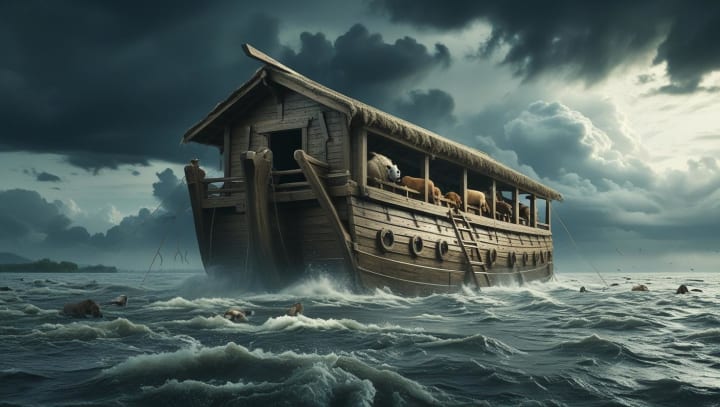
Just as for centuries in Swat, the local people used to guess with smooth stones that flood water could reach here, in the same way, the ancient myths were also warned of floods, and it would not be wrong to say that the giants of different civilizations are incomplete without floods. The great flood and storm in Chinese civilization was informed prior by the Dragon God, people living on the banks of the Yellow River known as Huanghe, one of china's largest rivers, received alerts before great flood. Similarly, in “Babylonia” Civilization, when the Gods decided to destroy the world with the mighty flood, one of the God, warned the sovereign of the plan to destroy the world by flood and told him to prepare a large fleet for his family, friends and wealth. Similarly, in the Sumerian mythology, The Leader King Gilgamesh, was warned by God in advance to be safe from floods. Sumerian and Babylonian civilizations existed in Mesopotamia, both of which lived on the banks of the Tigris and Euphrates River; these were the areas of the Middle East that we call the areas of Iraq, Kuwait and Syria in the present day. Historians also link prior information about floods in Mesopotamia to Islamic preaching’s, where God warned Noah about the great flood and ordered him to build a large fleet and protect himself with a pair of wild animals with his family and flowers. After the 2010 Pakistan mega floods, Change through Empowerment a nongovernmental organization, with the support of Meherdar has published a detailed book titled "Do not stop the flood, create a Way” where many writings on flood disasters, especially in Balochistan, flood relief and flood history are discussed. According to the book, the legends of Greeks and Hindus also make it clear that these people were informed in advance of the storms.
Flood Information and rescue system
On May 29, 2025, a month before the Swat floods, the Pakistan Meteorological Department in collaboration with the Regional Integrated Multi-Hazard Early Warning System organized a Climate Application Forum in Islamabad. In the forum, alerts were issued for heavy stormy rains, hot temperatures and flash floods in the pre-monsoon. At the event top officials of national and provincial institutions, academic circles, agriculture and especially disaster management agencies National Disaster Management Authority NDMA and Provincial Disaster Management Authority PDMA officials pledged to deal with the disasters. The flood alerts system in not that much complicated, the meteorological department warns NDMA and PDMA and the PDMA informed district administration in advance, while the district administration informs the Rescue department in advance about the flood. This happened in the Swat flood, timely information was received, but due to lack of protective equipments, the floods lost precious lives of tourists.
If seen, the same early warning system existed even before 100 years. In 1929-28, flood alerts in the North West Frontier Province presently Khyber Pakhtunkhwa were similarly reported to various districts or divisions. Lieutenant Colonel Leslie Mellam, a British Indian Army officer and political representative who served as a political officer in the North-Western Province for a long time, in his book "Thirty Years on the North West Frontier" has told the story of people's surprise at the advance information about floods. "When we received information about glacier bursts earlier than usual, the eastern edge of Mardan district was located on the flood path which was the site of my next deployment, writes Mellam. As a sub-divisional officer, advance information of possible floods made it my primary responsibility to shift villages along the rivers to higher reaches. The locals believed in destiny. I told the village elders, 'The flood is coming; it will destroy your houses and livestock. It is important for you to migrate from here. There was a blank look on their faces, and I would often say on such occasions that Allah is the Master”. According to Mellam, there was a false rumor of floods before, so people did not believe us. But later there was a huge flood and caused a lot of damage to the people.

It should be noted that since 1857, when the British took full control, they build Weather Stations in subcontinent to monitor the seasons regularly. Based on Weather station data the districts were protected from disasters. What’s surprising is that system still exists today, but 100 years ago there was no helicopter for rescue, now Pakistan has helicopters as well as warships. In case of natural disaster emergency, the district administration seeks help from the PDMA to get helicopter service, while PDMA requests the NDMA and NDMA request The XI Corps Pakistan Army. A PDMA official said that no request was received from the district administration about helicopter. After 27 June incidents departments blames each other, and the Khyber Pakhtunkhwa Chief Minister Ali Amin Khan Gandapur transferred the deputy commissioner after the incident, while two assist commissioners and rescue district in-charge were dismissed. The Chief Minister has initiated action against illegal encroachments on the river bank, but according to locals, hotels of High profile people have not been touched in this operation. Arif said it is a political stunt, this initiative may cover the incident but who will bring the missing eggs which are lost since 40 years in promoting tourism and development.
Don't stop the flood in climate crisis
To understand how to control floods, one has to understand floods. Floods are natural disaster, according to several scientific studies, rivers originated about three to four billion years ago, when the earth's surface cooled and stabilized and liquid water formed. Flooding has been a natural process since then. Water from rain and melting glaciers flowed into low-lying areas. There were no plants or animals in that era, but there were floods, science studies confirm. Prior to human habitation, rivers played an important role in the formation of ecosystems. With this flowing water, human civilizations have grown-up. However, for the last three centuries, human activities in the pursuit of innovation and development have added greenhouse gases to the earth's atmosphere, resulting in a climate crisis. According to the United Nations led organizations and independent scientific research’s the world is now facing a climate crisis. Natural disasters that used to come after the break can now happen every year. Global temperatures are gradually rising, resulting in years of frozen snow melting, and changes in rainfall times have increased the risk of flooding.
The UNEP Frontiers 2025 report explores emerging environmental challenges threatening people and ecosystems. It highlights four major issues: reactivation of ancient microbes from melting permafrost, the need to remove barriers to restore river systems, the vulnerability of ageing populations to environmental risks, and the re-release of legacy pollutants during floods. The report warns that irreversible cryospheric changes and microbial threats could affect ecosystems, health, and climate resilience. In a tech-Driven Age and manifold rescue agencies and systems, why do we still fall victim to extreme weather events? This is a critical question. The tragedy is that we are neither learning from past disasters nor understanding the greatest challenge of our time: the climate crisis. We may consider ourselves developed or the most intelligent species in this ecosystem, yet we remain unable to cope with climate change. Our model of development itself is making us more vulnerable to the crisis. To tackle this catastrophe, we must understand the ecosystem and rethink our approach towards development. If we fail to act today, future generations may not be able to withstand the consequences of this crisis.
The writer Asif Mohmand is an independent multimedia climate journalist in Pakistan and can be reached @AsifkhanJmc
About the Creator
Asif Mohmand
Environmental Multimedia Journalist, Covering Climate Crisis from Pakistan.
Keep reading
More stories from writers in Earth and other communities.
Chameleon: Nature’s Master of Disguise
Few creatures in the animal kingdom capture the imagination quite like the chameleon. Known for its ability to change color, its slow, deliberate movements, and its incredible eyes that move independently, the chameleon is one of nature’s most extraordinary reptiles. These small but remarkable creatures have inspired scientists, photographers, and animal lovers for centuries.
By Aarif Lashari4 days ago in Earth
Supreme Court to Review Monsanto’s Bid for Immunity in Roundup Lawsuits
The U.S. Supreme Court has agreed to review Monsanto’s appeal seeking immunity from lawsuits related to its popular herbicide, Roundup. This decision marks a critical moment for both the company and individuals claiming health damages from the chemical, which contains glyphosate—a substance under scrutiny for potential links to cancer. The review could have wide-reaching implications for corporate accountability, public health, and the legal landscape surrounding chemical products. Background on Roundup and Legal Challenges Roundup, a herbicide produced by Monsanto (now owned by Bayer), has been a staple in agriculture and home gardening for decades. Glyphosate, its active ingredient, was introduced as a highly effective solution for weed control. However, in recent years, scientific studies and lawsuits have raised concerns about its potential carcinogenic effects. Thousands of plaintiffs have claimed that exposure to Roundup caused non-Hodgkin lymphoma and other health issues. Numerous state and federal courts have seen extensive litigation, with some plaintiffs receiving multimillion-dollar verdicts. Monsanto has consistently defended the product, emphasizing that regulatory agencies worldwide have deemed glyphosate safe when used as directed. Monsanto’s Bid for Immunity Monsanto is appealing for legal immunity, arguing that its use of Roundup was regulated and approved by federal agencies, and therefore the company should not be held liable in civil lawsuits. The company contends that federal oversight should preempt individual claims, a legal doctrine known as federal preemption. In essence, Monsanto is asserting that because the Environmental Protection Agency (EPA) has evaluated and permitted glyphosate use, states or courts should not hold the company personally accountable for alleged harm. Why the Supreme Court’s Review Matters The Supreme Court’s decision to hear the case is significant for several reasons: Corporate Accountability: A ruling in favor of Monsanto could strengthen corporate defenses in cases where products are federally regulated, potentially limiting lawsuits against companies producing similar chemicals or pharmaceuticals. Public Health: Plaintiffs and advocacy groups argue that a corporate victory could undermine accountability for harmful products and reduce incentives for companies to rigorously test safety. Legal Precedent: The case could set a nationwide precedent regarding federal preemption, influencing how courts balance regulatory approval with civil liability. The Supreme Court’s interpretation could reshape the legal landscape for product liability and consumer protection in the United States. Stakeholder Perspectives Plaintiffs and Advocacy Groups For those affected by Roundup, the Supreme Court review is a critical opportunity to hold a powerful corporation accountable. Many plaintiffs argue that Monsanto failed to adequately warn users of the potential risks associated with glyphosate exposure. “People shouldn’t have to choose between using a product as intended and risking their health,” says Laura Mitchell, an attorney representing multiple plaintiffs in Roundup lawsuits. “A ruling that shields Monsanto from liability could leave victims without recourse.” Advocacy groups, such as environmental and cancer prevention organizations, emphasize that transparency and accountability are essential, particularly for chemicals widely used in agriculture and landscaping. Monsanto and Bayer Monsanto, now part of Bayer, maintains that Roundup is safe when used according to label instructions. Bayer has publicly stated that legal challenges have cost billions but that the company continues to stand behind its products. The firm argues that courts must respect federal regulatory authority to avoid creating conflicting standards between federal law and state-level lawsuits. “If companies could be held liable despite following federal regulations, it would set a concerning precedent for innovation and regulatory compliance,” a Bayer spokesperson said. Broader Implications The Supreme Court review has implications far beyond Monsanto and Roundup: Agricultural Industry: Glyphosate and similar herbicides are widely used in crop production. Legal outcomes could influence labeling, usage guidelines, and liability risk for other companies in agriculture. Consumer Products: The ruling could affect cases involving pharmaceuticals, chemicals, and other regulated products, particularly when federal agencies approve them. Regulatory Authority vs. Civil Liability: The decision may clarify the balance between federal oversight and state-level tort claims, potentially shaping how courts interpret the limits of corporate immunity. Previous Court Decisions Lower courts have issued mixed rulings in Roundup lawsuits. Some courts awarded substantial damages to plaintiffs, while others limited awards or found in favor of Monsanto. These inconsistent outcomes underscore the complexity of balancing scientific evidence, regulatory approval, and legal responsibility. Federal appeals courts have previously sided with both sides in separate cases, making Supreme Court intervention necessary to establish uniform legal standards nationwide. Public and Media Reaction Media coverage of Monsanto’s legal challenges has been extensive, reflecting public concern over chemical safety and corporate responsibility. Many reports highlight the tension between regulatory approvals and individual health claims, questioning whether federal endorsements automatically protect companies from lawsuits. Public sentiment is divided. Supporters of corporate immunity argue that companies need protection to operate and innovate without fear of excessive litigation. Opponents worry that such immunity could prioritize corporate interests over public health. What to Expect The Supreme Court will now evaluate key questions: Does federal regulatory approval preempt state-level claims of harm? Can companies be held liable even if they followed federal guidelines? How should courts balance scientific uncertainty with civil justice? The decision, expected within the next year or two, will be closely watched by lawyers, plaintiffs, corporations, and advocacy groups alike. Conclusion The Supreme Court’s review of Monsanto’s bid for immunity in Roundup lawsuits represents a landmark moment in American legal history. The case has the potential to redefine corporate liability, influence public health policy, and set precedent for future disputes involving federally regulated products. For plaintiffs, the stakes are deeply personal—seeking justice for alleged health impacts caused by widespread chemical exposure. For Monsanto and other corporations, the outcome could determine the limits of accountability in a regulated marketplace. As the Supreme Court deliberates, the nation watches closely, recognizing that the ruling will resonate far beyond Monsanto, affecting consumers, companies, and the broader debate over safety, regulation, and responsibility in the United States.
By Muhammad Hassan6 days ago in Earth



Comments
There are no comments for this story
Be the first to respond and start the conversation.