
URBANIZATION AND WILDLIFE
Balancing Urban Growth and Ecosystem Preservation.


Urbanization, the process of transforming rural areas into urban centers, is a hallmark of modern development. Cities offer opportunities for economic growth, innovation, and improved standards of living, but they also exert a profound impact on the natural world, particularly on wildlife. The expansion of urban areas often leads to habitat destruction, fragmentation, and the displacement of species. Despite these challenges, some wildlife species have shown remarkable adaptability to urban environments. This article explores the relationship between urbanization and wildlife, highlighting its effects, challenges, and opportunities for coexistence.
The Impact of Urbanization on Wildlife
(I)Habitat Loss
One of the most immediate and visible effects of urbanization is the loss of natural habitats. Forests, wetlands, and grasslands are often cleared to make way for buildings, roads, and infrastructure. This destruction deprives wildlife of the spaces they need to live, breed, and find food, forcing many species to relocate or face extinction. For instance, the conversion of rainforests into urban areas has led to a significant decline in biodiversity in tropical regions.
(II)Habitat Fragmentation
Urban sprawl often fragments natural habitats into smaller, isolated patches. These fragmented landscapes make it difficult for animals to move freely, access resources, or find mates. For example, roads and highways act as barriers for species like deer, frogs, and turtles, increasing their risk of accidents and genetic isolation.
(III)Pollution
Urban environments contribute to various forms of pollution that harm wildlife. Air pollution affects birds and insects, water pollution disrupts aquatic ecosystems, and noise pollution interferes with animal communication and navigation. Light pollution is particularly harmful to nocturnal species, such as bats and moths, as it disrupts their natural behaviors and breeding patterns.
(IV)Introduction of Invasive Species
Urban areas often introduce non-native species, either intentionally or accidentally. These invasive species can outcompete native wildlife for resources, alter ecosystems, and lead to biodiversity loss. For instance, urban gardens and parks can harbor invasive plants that spread into nearby natural areas, displacing native flora and fauna.
(V)Human-Wildlife Conflicts
As urban areas encroach on natural habitats, encounters between humans and wildlife become more frequent. Animals searching for food may raid crops, damage property, or pose safety risks, leading to conflicts. In many cases, these conflicts result in the culling or relocation of wildlife, further endangering their populations.
Wildlife Adaptation to Urban Environments
While urbanization poses significant challenges, some species have adapted to thrive in cities. Urban ecosystems often provide new opportunities for food, shelter, and survival, leading to fascinating examples of wildlife resilience and adaptation:-
(I)Urban Wildlife Species
Certain animals, such as pigeons, rats, squirrels, and raccoons, have become synonymous with urban living. These species exploit human food waste, shelter in man-made structures, and adapt their behaviors to coexist with humans. For instance, crows and seagulls are known for their ability to solve complex problems, such as accessing food from trash bins or recycling centers.
(II)Birds in Cities
Urban areas attract birds like sparrows, starlings, and pigeons, which nest in buildings and feed on leftover food. Some birds, such as peregrine falcons, have adapted to skyscrapers, using them as nesting sites and hunting grounds for urban prey like pigeons.
(IV)Urban Green Spaces as Refuges
Parks, gardens, and urban forests act as refuges for wildlife within cities. These green spaces support biodiversity by providing habitat, food, and breeding grounds for a variety of species, including insects, birds, and small mammals.
The Challenges of Coexistence
The coexistence of wildlife and urbanization presents challenges that require thoughtful planning and management:
(I)Biodiversity Loss
Urbanization often favors a small number of adaptable species, leading to a decline in overall biodiversity. This "homogenization" of urban ecosystems diminishes the ecological richness that natural habitats provide.
(II)Spread of Diseases
Urban wildlife, especially rodents and birds, can act as carriers of diseases that spread to humans and domestic animals. Managing these risks requires balancing public health concerns with wildlife conservation.
(III)Threats to Vulnerable Species
Species that are highly specialized or dependent on specific habitats are particularly vulnerable to urbanization. Protecting these species requires targeted conservation efforts, such as habitat restoration or the establishment of wildlife corridors.
Strategies for Wildlife-Friendly Urbanization
To mitigate the negative effects of urbanization on wildlife, it is essential to adopt strategies that promote coexistence and conservation:
(I)Green Infrastructure
Incorporating green roofs, urban forests, and wetlands into city planning provides habitats for wildlife and enhances ecosystem services like air purification and water filtration.
(II)Wildlife Corridors
Connecting fragmented habitats with corridors allows animals to move safely between green spaces. Wildlife overpasses and underpasses are effective solutions for reducing roadkill and enabling animal migration.
(III)Community Engagement
Educating communities about urban wildlife and encouraging sustainable practices, such as waste management and native plant gardening, fosters a positive relationship between humans and wildlife.
(IV)Policy and Regulation
Governments and urban planners should enforce policies that prioritize biodiversity conservation. This includes protecting critical habitats, regulating urban expansion, and implementing sustainable land-use practices.
(V)Research and Monitoring
Continued research on urban ecosystems helps identify the needs of wildlife and the impacts of urbanization. Monitoring programs can guide conservation efforts and measure their success.
Conclusion
Urbanization and wildlife share a complex and evolving relationship. While urban expansion poses significant threats to biodiversity, it also offers opportunities for innovative conservation approaches. By incorporating wildlife-friendly designs into city planning, promoting community engagement, and protecting natural habitats, it is possible to create urban spaces that support both human and wildlife needs. Striking this balance is essential for a sustainable future where cities and nature coexist harmoniously.
About the Creator
Badhan Sen
Myself Badhan, I am a professional writer.I like to share some stories with my friends.
Keep reading
More stories from Badhan Sen and writers in Earth and other communities.
The technology of invisibility cloaks
However, in recent years, the idea of making an object or person invisible to the human eye has evolved from a topic of serious scientific exploration. Researchers have made significant strides toward understanding how invisibility might be achieved through advanced materials and physics. The technology of invisibility cloaks, though still in its infancy, represents a fascinating blend of optical science, materials engineering, and theoretical physics.
By Badhan Sen10 months ago in Earth
Britain’s PM Calls Trump on Greenland: Defending Sovereignty in a Shifting Arctic
When you think of New Year’s conversations between world leaders, Greenland probably isn’t the first thing that comes to mind. Yet on January 7, 2026, British Prime Minister Keir Starmer and former U.S. President Donald Trump discussed the icy island over a phone call — and it made headlines worldwide. Why? Because Greenland, a massive, ice-covered territory in the Arctic, is suddenly at the center of global geopolitics, and Britain is making sure its voice is heard. Greenland Isn’t Just Ice At first glance, Greenland seems remote and quiet — a land of snow, glaciers, and polar bears. But this island is strategically critical. It sits between North America and Europe, holds valuable natural resources, and commands control over emerging Arctic shipping routes as ice melts due to climate change. In recent years, Greenland has captured the attention of global powers, especially the United States. Trump has repeatedly suggested that the island is crucial to U.S. national security and even hinted at the possibility of acquiring it. These ideas, though unlikely, raised eyebrows in Europe and among NATO allies. For Denmark, Greenland’s governing country, and its residents, this rhetoric was a reminder that sovereignty matters — and outsiders shouldn’t dictate their future. Starmer’s Clear Message During the phone call, Starmer made Britain’s position unmistakable: Greenland’s future must be decided by its people and Denmark, not by external powers. This wasn’t just diplomacy for the sake of headlines. It’s about principles that Britain has long defended: respect for sovereignty, international law, and the rules-based global order. Starmer’s message sends a signal not only to Trump but also to other countries that might think about exerting undue influence over smaller, strategic territories. The call also touched on other global concerns, including NATO security matters, Arctic maritime operations, and broader geopolitical tensions. But it’s Greenland that grabbed the spotlight — because it’s a flashpoint for sovereignty, alliance dynamics, and Arctic strategy. Why the UK Cares You might wonder: why is Britain involved in a discussion about Greenland? After all, it’s part of Denmark. The answer lies in NATO and European security. Greenland is strategically vital for the alliance. Any unilateral action by the U.S. to control or influence Greenland could threaten NATO cohesion. Britain, as a leading NATO member, has a stake in ensuring that all alliance decisions respect sovereignty and the rules of international cooperation. In other words, Britain isn’t stepping into Greenland’s affairs to take control — it’s defending the principle that territorial decisions should belong to the rightful authorities, in this case, Denmark and Greenland’s residents. Alliances and Principles Starmer’s call also highlights a delicate balancing act. The UK maintains a close relationship with the U.S., but that doesn’t mean it agrees with every idea, especially when sovereignty is at stake. This is the reality of modern diplomacy: even trusted allies can have differences of opinion, and leaders must navigate these differences carefully. Starmer’s message to Trump reflects a wider approach — maintain strong alliances while standing firm on core values. Some politicians have acknowledged that disagreements are normal and even healthy in long-standing partnerships. The key is open communication and respect for international norms, which Starmer aimed to demonstrate during the call. Greenland as a Symbol Beyond geopolitics, Greenland has become a symbol of a new era in global relations. Arctic resources, strategic positions, and climate change are making previously quiet regions hotspots for diplomacy. Greenland reminds the world that territory, sovereignty, and self-determination are still central issues, even in the 21st century. For Britain, standing with Denmark and affirming Greenland’s autonomy sends a clear message: the UK supports international law and the idea that small regions should not be pawns in great-power games. What This Means Going Forward So what can we expect after this phone call? Greenland remains firmly under Danish control, with its future in the hands of its residents. NATO cohesion is reinforced, as European leaders see Britain advocating for rules-based governance. The Arctic region continues to be a strategic focal point, with countries carefully watching each other’s moves. In short, Starmer’s call is a reminder that even in a world of powerful nations, diplomacy, respect, and legal principles still matter. Takeaways Sovereignty Matters: Greenland’s future is a matter for its people, not outside powers. Allies Can Disagree: Britain’s defense of principles shows that disagreements with allies don’t have to break partnerships. Strategic Regions Are Hotspots: Arctic regions like Greenland are increasingly important in global security, economics, and diplomacy. Principles Over Power: Upholding international law is as critical as maintaining military or economic influence. Greenland may be far from the streets of London or Washington, but the stakes are high. Starmer’s phone call with Trump demonstrates that the UK is ready to defend sovereignty, international norms, and alliance cohesion, even when the conversation turns icy.
By Muhammad Hassan7 days ago in Earth
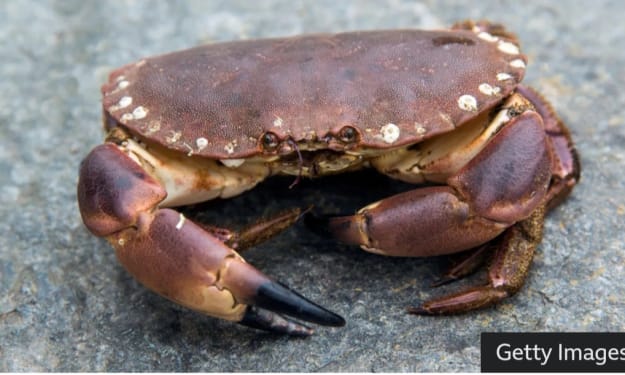
Workers Recover 15,000 Crabs After Lorry Crashes Into Field
An extraordinary scene unfolded when a lorry carrying an estimated 15,000 live crabs crashed into a field, spilling its cargo across farmland and prompting a large-scale recovery effort. The unusual accident quickly drew attention from local residents, emergency services, and animal welfare groups, as workers scrambled to rescue as many crabs as possible before they succumbed to exposure.
By Aarif Lasharia day ago in Earth



Comments (1)
Humans and animals will find a way to cohabitate together and maybe one day work together in other and many ways.