
Urban sprawl and its environmental consequences
Urban sprawl refers to the unchecked, often haphazard expansion of urban areas into previously rural or undeveloped land.


As cities grow, the demand for housing, infrastructure, and services increases, prompting the spread of residential, commercial, and industrial zones into the surrounding countryside. While urban sprawl can meet the demand for space and resources, it comes with significant environmental consequences that can harm ecosystems, contribute to pollution, and exacerbate climate change. This essay will explore the environmental effects of urban sprawl and discuss potential solutions for mitigating these impacts.
1. Loss of Natural Habitats and Biodiversity
One of the most evident environmental impacts of urban sprawl is the loss of natural habitats. As cities expand into rural areas, forests, wetlands, grasslands, and other ecosystems are destroyed or fragmented. This disrupts wildlife habitats, making it difficult for species to survive. Urban development often leads to the displacement of native plants and animals, which can cause a decline in biodiversity.
When forests are cleared for construction or farmland, the ecosystem services they provide—such as carbon storage, water filtration, and soil preservation—are also lost. Moreover, urban sprawl often leads to the creation of isolated patches of natural areas, which are insufficient to sustain large populations of wildlife. This fragmentation can reduce genetic diversity, making it harder for species to adapt to environmental changes and increasing the risk of extinction.
2. Increased Air and Water Pollution
As urban areas spread outward, transportation networks expand, leading to a rise in automobile use. The resulting increase in vehicle emissions contributes to air pollution, which can have serious health effects on residents and the broader environment. Car exhaust releases harmful pollutants such as nitrogen oxides, carbon monoxide, and particulate matter, all of which contribute to smog, respiratory problems, and cardiovascular diseases.
Moreover, urban sprawl often results in an increased use of land for agriculture, which introduces additional pollutants into the environment. The widespread use of pesticides and fertilizers can contaminate groundwater and nearby water bodies. As rainwater washes these chemicals into rivers, lakes, and oceans, it can lead to eutrophication—a process where excess nutrients cause algae blooms that deplete oxygen levels in water, harming aquatic life.
The construction of new roads, buildings, and parking lots also increases impervious surfaces, meaning water cannot easily absorb into the ground. This leads to increased runoff during rainstorms, carrying pollutants from streets and parking lots directly into nearby water sources. This phenomenon contributes to water pollution and increases the frequency and intensity of flooding in urban areas.
3. Contribution to Climate Change
Urban sprawl contributes significantly to climate change, primarily through increased greenhouse gas emissions. The spread of cities into previously undeveloped areas leads to higher reliance on cars and trucks, resulting in greater fossil fuel consumption. The greater distance between homes, workplaces, and essential services means more energy is expended on transportation. This not only contributes to air pollution but also to the release of carbon dioxide (CO2), a major greenhouse gas.
Furthermore, the expansion of cities increases the demand for energy in the form of electricity, heating, and cooling. The construction of buildings and infrastructure typically involves energy-intensive processes such as cement production and steel manufacturing, both of which emit large amounts of CO2. As cities sprawl, the need for more energy and resources grows, further contributing to the carbon footprint of the urban environment.
Urban sprawl also exacerbates the urban heat island effect, where cities experience higher temperatures than surrounding rural areas due to the absorption of heat by buildings, roads, and other man-made surfaces. This effect can increase the demand for air conditioning and other cooling systems, further raising energy consumption and emissions.
4. Habitat Fragmentation and the Need for Conservation
One of the less-discussed but equally significant consequences of urban sprawl is habitat fragmentation. As cities expand into natural areas, smaller patches of remaining ecosystems are often left isolated from one another. This fragmentation disrupts migration routes and can prevent species from accessing resources such as food and water. For many species, such fragmentation increases the risk of inbreeding and reduces genetic diversity, which can lead to a decline in populations and make it harder for species to adapt to changing environmental conditions.
In addition, fragmentation often leads to the creation of "edge" habitats—areas where human development borders natural ecosystems. These edge zones tend to be less hospitable to many species, which are sensitive to changes in temperature, light, and moisture. The result is a decline in biodiversity and a reduction in the overall health of ecosystems.
5. Mitigating the Environmental Impacts of Urban Sprawl
While the environmental consequences of urban sprawl are significant, there are several strategies that can help mitigate these impacts. One of the most effective ways to address urban sprawl is through urban planning and design. By focusing on creating denser, more walkable urban spaces, cities can reduce the need for extensive automobile use and minimize the environmental impact of transportation.
Incorporating green spaces and preserving natural habitats within urban areas is another important strategy. Green roofs, urban parks, and tree-lined streets can help mitigate the urban heat island effect and provide critical habitat for wildlife. Additionally, promoting the use of renewable energy sources and energy-efficient building practices can reduce the carbon footprint of urban development.
Finally, implementing policies that promote sustainable land use, such as zoning regulations that prevent the overdevelopment of rural areas, can help limit the spread of urban sprawl. Encouraging the reuse of existing buildings and infrastructure instead of constructing new ones can also reduce the environmental impact of urban growth.
Conclusion
Urban sprawl is a complex issue with wide-ranging environmental consequences, from habitat loss and biodiversity decline to increased pollution and climate change. As cities continue to grow, it is essential to implement strategies that promote sustainable development and minimize the negative effects of urban expansion. By focusing on smart urban planning, protecting natural habitats, and reducing reliance on automobiles, it is possible to create urban environments that are both livable and environmentally responsible. Addressing the challenges of urban sprawl will require collaboration between policymakers, urban planners, and communities to ensure a more sustainable and resilient future.
About the Creator
Badhan Sen
Myself Badhan, I am a professional writer.I like to share some stories with my friends.
Keep reading
More stories from Badhan Sen and writers in Earth and other communities.
Scientific communication and public understanding
As scientific advancements continue to shape our world, it is increasingly important for experts to convey their findings and ideas in ways that are clear, accessible, and engaging for non-scientists. The goal is not just to inform but to foster understanding, inspire curiosity, and empower individuals to make informed decisions about the issues that affect their lives. This process involves various forms of communication and media, all of which contribute to public understanding of science.
By Badhan Sen11 months ago in Earth
Homeowners Don’t Want to Move: The Big Deal About Shrinking Backyards
In neighborhoods across the country, a subtle but growing trend is taking root: homeowners aren’t moving, and it’s not just because of the housing market. Many are staying put because their backyards—once spaces for relaxation, gardening, and family fun—are shrinking, either physically due to new development or symbolically as life priorities shift. What may seem like a minor detail—an ordinary backyard—is, for many, a defining feature of home life. Losing it can change how people live, play, and even feel about their communities. This shift has consequences for families, urban planning, and even the way cities are designed. It also sheds light on why homeowners are willing to compromise on size, style, or even location rather than give up their outdoor space. Why Backyards Matter More Than Ever Backyards are more than just patches of grass. They are extensions of our living space, providing: Personal outdoor retreats for reading, gardening, or hosting friends. Safe spaces for children and pets to play. Social hubs for barbecues, birthdays, and neighborhood gatherings. Mental and physical health benefits, including fresh air, sunlight, and exercise. For families who have invested years into landscaping, planting trees, or building decks and patios, the backyard is an emotional asset. Moving to a new home often means losing these personal touches—and many homeowners aren’t willing to take that step. “Backyards are part of our identity,” says Laura Jennings, a landscape designer in suburban Chicago. “People have memories tied to them—first steps, garden harvests, family barbecues. That’s why so many homeowners are staying put, even if it’s tempting to relocate for a bigger house or a better neighborhood.” The Trend of Shrinking Yards Urban densification and suburban development have slowly eaten into traditional backyard space. In many cities, large lots are being replaced with townhomes, duplexes, or small-lot single-family homes. Even in suburban neighborhoods, new constructions often prioritize indoor square footage over outdoor space. The shrinking backyard trend has several effects: Less room for recreation: Families may struggle to fit a swing set, pool, or garden into a smaller yard. Increased desire to stay put: Homeowners prefer maintaining a familiar outdoor space rather than trading it for a slightly larger indoor area. Higher emotional attachment: As yards become more limited, the significance of every tree, patch of grass, or vegetable garden grows. For many, the choice isn’t just about square footage—it’s about quality of life. Homeowners Are Making Trade-Offs As a result, more homeowners are staying in place longer, even if it means: Skipping a bigger kitchen or extra bedroom. Living in a less “trendy” neighborhood. Paying more in maintenance or property taxes to keep a cherished yard intact. Some have embraced innovative backyard solutions to maximize smaller spaces: Vertical gardens and container planting. Multi-functional patios that serve as dining, lounging, and play areas. Creative landscaping, including raised beds, pergolas, and tiny ponds. These adaptations allow homeowners to maintain the sense of space and enjoyment they’ve built over years without relocating. Emotional and Social Dimensions Beyond practical reasons, the backyard has a symbolic meaning. It represents: Continuity and stability: Homeowners see staying put as preserving a lifestyle. Family history: Many yards hold stories—graduations, summer afternoons, first bike rides. Community connection: Long-term residents know neighbors, local schools, and nearby amenities. Moving often means giving up these ties. A survey by the National Association of Home Builders found that over 60% of homeowners aged 35–55 preferred staying in their current homes, citing yard size and outdoor enjoyment as key factors. For these individuals, giving up a backyard is not a small inconvenience—it’s a major life decision. The Impact on Neighborhoods and Cities The trend of staying put also affects broader urban and suburban planning. Fewer homeowners moving means: Less turnover in neighborhoods, which can reduce housing market fluidity. Pressure on developers to include quality outdoor space in new builds. Greater demand for parks and community green spaces, as private yards shrink. Urban planners and developers are noticing the importance of outdoor space in retention and satisfaction metrics. Homes with usable yards, green roofs, or communal gardens often have higher value and attract long-term residents. The Future of Backyard Living As city lots shrink and suburban sprawl continues, homeowners are adapting: Smaller, highly curated gardens instead of sprawling lawns. Multi-functional backyards designed for work, play, and entertainment. Investment in outdoor amenities such as fire pits, decks, or small pools. Some communities are exploring shared backyard concepts, like community gardens and pocket parks, to supplement shrinking private spaces. While these aren’t a complete replacement for personal yards, they provide social and environmental benefits and may encourage homeowners to stay in their homes longer. Conclusion: More Than Grass and Trees Shrinking backyards might seem like a minor design issue, but for homeowners, it’s deeply tied to lifestyle, family life, and personal identity. The reluctance to move is not just a reaction to the housing market; it reflects an emotional, social, and practical connection to outdoor space that indoor square footage alone can’t replace. As urban density grows and lot sizes shrink, the importance of backyards will continue to shape homeowner decisions, neighborhood design, and community dynamics. Families are showing that a yard is not just grass and trees—it’s a place of memory, freedom, and connection. In a world where real estate trends often prioritize indoor luxury, the backyard remains a powerful symbol of home, anchoring families to the places they love—and keeping many from moving at all
By Muhammad Hassanabout 6 hours ago in Earth
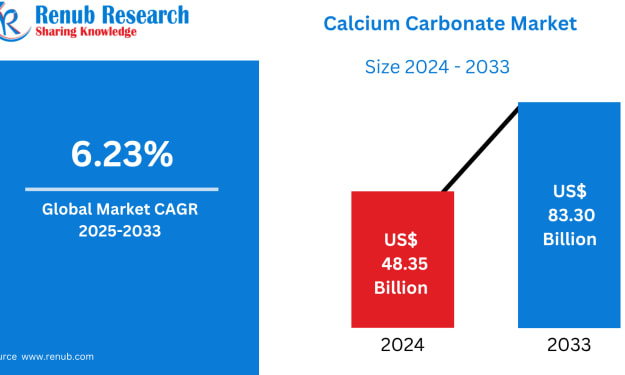
Global Calcium Carbonate Market Size & Forecast 2025–2033
Introduction: A Quiet Giant of Global Industry Calcium carbonate may not be a headline-grabbing material, but it is one of the most indispensable compounds in modern industrial life. Found naturally in limestone, marble, and chalk, this humble mineral underpins everything from the buildings we live in to the paper we write on and the plastics we use every day. Its low cost, wide availability, and remarkable versatility have made it a cornerstone raw material across multiple industries worldwide.
By jaiklin Fanandishabout 5 hours ago in Earth



Comments
There are no comments for this story
Be the first to respond and start the conversation.