
Unveiling the Fukushima Nuclear Disaster: Tragedy, Impact, Lessons, and Ongoing Challenges
From Catastrophe to Renewal: Unraveling the Impact and Lessons of the Fukushima Nuclear Disaster

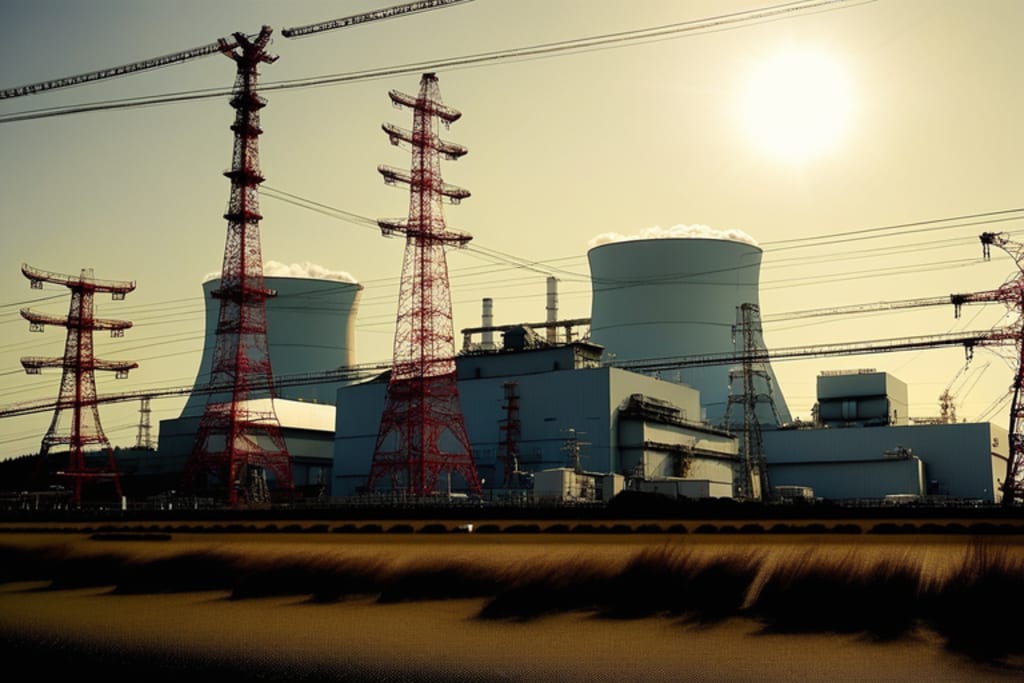
The seismic waves of March 11, 2011, unleashed an unprecedented disaster that would forever reshape Japan's energy landscape and the global perception of nuclear power—the Fukushima Daiichi Nuclear Disaster. Born from the collision of natural forces and technological vulnerabilities, this catastrophe exposed the fragility of nuclear facilities and spurred a reevaluation of energy policies worldwide. This article delves deeper into the chronology of the events leading up to the Fukushima disaster, examines its immediate and lasting consequences, discusses the lessons learned, and highlights the ongoing challenges the affected region still faces.
The Unfolding Disaster
A colossal magnitude 9.0 earthquake sent tremors through northeastern Japan, setting off a chain reaction that culminated in a catastrophic tsunami. This colossal wave breached the defenses of the Fukushima Daiichi Nuclear Power Plant, crippling its cooling systems and triggering the core meltdowns of three reactors. The release of radioactive particles into the atmosphere and the ocean sparked immediate health concerns and heightened environmental alarms.
Immediate Response and Forced Evacuation
In the aftermath, the Japanese government declared a 20-kilometer exclusion zone around the plant, compelling the evacuation of over 160,000 residents. This evacuation, though essential for safeguarding lives, encountered formidable challenges. Misinformation, logistical hurdles, and the psychological impact on evacuees who faced displacement, uncertainty, and grief, posed significant obstacles to the emergency response efforts.
Global Echoes and Lessons Acknowledged
The Fukushima disaster reverberated globally, casting a spotlight on the vulnerabilities of nuclear energy and driving nations with nuclear facilities to revisit their safety measures. Germany responded swiftly by pledging to phase out nuclear energy, reinforcing a commitment to renewable alternatives. This disaster underscored the importance of international cooperation in nuclear safety and reinforced the need for rigorous risk assessment and communication.
Environmental Repercussions and Persistent Uncertainties
The environmental aftermath of the Fukushima disaster was profound. Radioactive contaminants seeped into soil, water, and air, leaving a trail of contamination across diverse ecosystems. This environmental impact transcended geographical boundaries, with traces of radioisotopes detected in far-flung corners of the world. The long-term ecological implications remain an ongoing concern, as scientists strive to understand the complex interplay between radiation and ecosystems.
Health Impacts and Altered Public Perception
While immediate health consequences from radiation exposure were limited, the specter of long-term effects, particularly cancer risks, weighed heavily on public perceptions. Clear and accurate risk communication became paramount to alleviate fears and establish a factual basis for understanding radiation-related health risks. The incident underlined the importance of addressing both physical and psychological health needs in the aftermath of such disasters.
Decommissioning Struggles and Path to Recovery
Tokyo Electric Power Company (TEPCO), operator of the Fukushima Daiichi plant, embarked on the daunting task of decommissioning the damaged reactors. This intricate process involves the removal of fuel debris, waste management, and containment. However, technical, logistical, and societal challenges continue to hamper progress, underscoring the complexity of dismantling nuclear facilities and the lasting ties between affected communities and the power plant's legacy.
Renewed Focus on Renewable Energy and Evolving Policies
Japan's energy transformation gained momentum following the disaster. The nation's reliance on nuclear power prompted a reevaluation of its energy mix, prompting a shift towards renewable sources to ensure energy security and reduce nuclear risks. The Fukushima disaster spotlighted the necessity of diversification, leading to increased investments in solar, wind, and other sustainable options, forging a new trajectory for Japan's energy future.
Challenges and the Long Road Ahead
As Japan grapples with the consequences of the Fukushima disaster, numerous challenges persist. Overcoming contaminated soil and water, managing radioactive waste, and navigating the intricate landscape of decommissioning and recovery demand sustained commitment and innovation. The ongoing process underscores the complex interplay of technical, economic, social, and ethical considerations, shedding light on the dynamic between technological progress and environmental stewardship.
Conclusion
The Fukushima Daiichi Nuclear Disaster serves as an indelible reminder of the potential devastation wrought by the convergence of natural forces and technological vulnerabilities. Its implications continue to echo globally, ushering in an era of heightened nuclear safety, revised energy policies, and international collaboration. As Japan strives to overcome the hurdles of decommissioning and recovery, the world watches and learns, bearing witness to the multifaceted journey towards a resilient, sustainable, and safer energy future.
About the Creator
Keep reading
More stories from chamara ranasinghe and writers in Earth and other communities.
Climate Crisis and Corporate Accountability: The Rise of ESG Investing
In recent years, the global climate crisis has become a pressing concern, propelling sustainability issues to the forefront of public consciousness. As the world grapples with the consequences of environmental degradation and social inequality, investors are reevaluating their investment choices. Environmental, Social, and Governance (ESG) investing has emerged as a powerful tool to drive positive change, holding companies accountable for their impact on the planet and society. This article explores the rise of ESG investing, its influence on business strategies, and the growing demands for corporate accountability in addressing the climate crisis.
By chamara ranasinghe2 years ago in Earth
New York Prepares for Possibly Its Heaviest Snowfall in Years
New York City and surrounding areas are preparing for what could be one of the heaviest snowfalls in years, according to meteorologists. The forecast predicts intense snow, gusty winds, and potentially hazardous conditions, prompting city officials, emergency services, and residents to take precautionary measures.
By Muhammad Hassan2 days ago in Earth
Australia Organic Fertilizer Market Size and Forecast 2025–2033
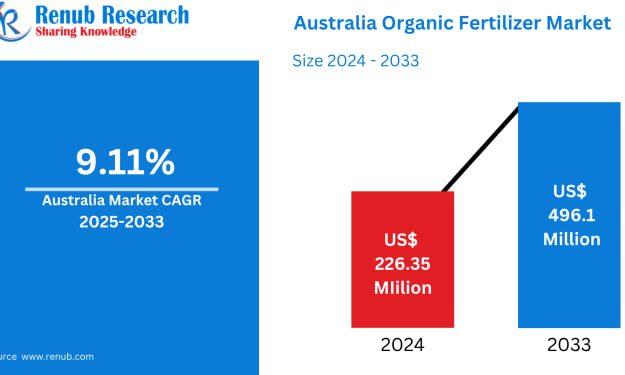
Australia Organic Fertilizer Market Outlook The Australia Organic Fertilizer Market is entering a strong growth phase as sustainability becomes a core priority for farmers, consumers, and policymakers alike. According to Renub Research, the market is expected to reach US$ 496.1 million by 2033, rising from US$ 226.35 million in 2024, expanding at a CAGR of 9.11% from 2025 to 2033.
By jaiklin Fanandish3 days ago in Earth



Comments
There are no comments for this story
Be the first to respond and start the conversation.