
Unusually Early Arctic Breakdown Forming in February: Meteorologists Sound the Alarm
How a Rapid Shift in Polar Atmospheric Patterns Could Disrupt Global Weather in 2026
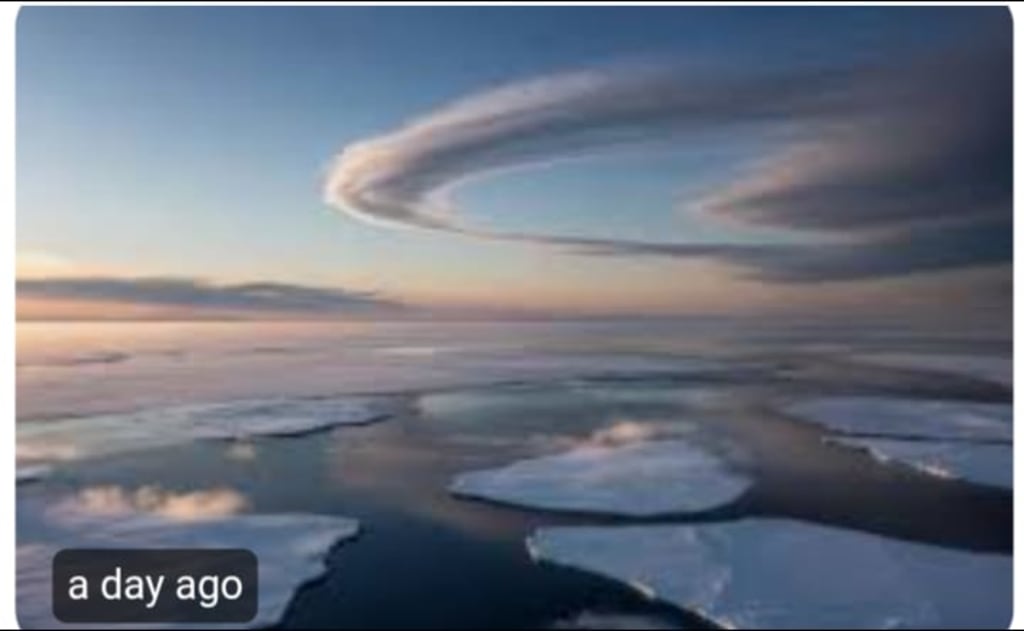
Meteorologists worldwide are issuing an unprecedented warning: an Arctic breakdown—a major disturbance in the polar atmosphere—is forming earlier than expected this February. This early event could reshape weather across the Northern Hemisphere, leading to unusual cold snaps, heat waves, and storm activity.
What is an Arctic Breakdown?
An Arctic breakdown happens when the polar vortex, a high-altitude ring of winds around the North Pole, weakens or splits. Normally, this vortex keeps the cold Arctic air confined near the pole. But when it destabilizes, cold air can surge southward, while warmer air moves into the Arctic.
In meteorological terms, this is often called a sudden stratospheric warming (SSW). Such disruptions can lead to:
Intense cold spells in mid-latitude regions
Temperature swings
Unusual storm patterns far from the Arctic
Why February 2026 is Unusual
Polar vortex disruptions usually happen later in winter. This year, however, the signals are appearing weeks early, suggesting that February may experience extreme weather anomalies.
Meteorologists note that these early indicators—temperature spikes and pressure changes in the stratosphere—rarely occur in early winter, making this event particularly concerning.
What’s Causing This Early Shift?
Several factors seem to be converging:
Warmer Arctic temperatures – The Arctic is experiencing above-average heat, weakening the polar vortex.
Low sea ice levels – Reduced ice cover allows more heat to enter the atmosphere, destabilizing weather systems.
Jet stream distortions – The high-speed winds that direct weather patterns are showing unusual looping behavior.
These conditions act like a “fast-forward” button, accelerating the breakdown earlier than usual.
Potential Weather Impacts
An early Arctic breakdown can produce chaotic and contrasting weather, including:
1. Sudden Cold Surges
Arctic air can rush south, causing snowstorms, freezing temperatures, and icy conditions in North America, Europe, and Asia.
2. Unseasonable Warmth
While some areas get extreme cold, others may experience unexpectedly high temperatures due to jet stream ridges trapping warm air.
3. Increased Storm Activity
The distorted jet stream can create intensified storms, including heavy snow, rain, or severe thunderstorms, even in usually stable areas.
4. Wildlife and Ecosystem Disruptions
Rapid weather changes can affect bird migration patterns and other sensitive ecosystems that rely on seasonal cues.
Is Climate Change a Factor?
While one event cannot be solely blamed on climate change, scientists note that Arctic warming trends and reduced sea ice—known as Arctic amplification—may increase the frequency and intensity of polar vortex disruptions.
Long-term warming is altering the jet stream, making unusual winter weather more common. However, the exact role of human-driven climate change in this early Arctic breakdown is still under study.
Why This Matters to You
Even if you live far from the Arctic, an early breakdown can impact daily life:
Travel disruptions: Flights and roads may face sudden hazards.
Agricultural risks: Unexpected freezes can harm crops.
Energy stress: Heating or cooling demands may spike.
Community preparedness: Emergency services may need to adapt quickly.
Staying updated with official weather forecasts is critical, as social media often exaggerates extreme weather events.
Practical Preparation Tips
To stay safe during unstable winter weather:
Follow local weather advisories regularly
Winterize homes and vehicles
Assist vulnerable neighbors during cold snaps
Keep flexible travel plans
These small steps can make a big difference when weather becomes unpredictable.
Conclusion: A Sign of Changing Seasons
The early Arctic breakdown of February 2026 is a stark reminder of the dynamic and interconnected nature of Earth’s climate. Rare patterns appearing weeks early could affect weather globally, highlighting the importance of awareness and preparedness.
Meteorologists emphasize that while unusual, these events are also opportunities to better understand atmospheric changes and adapt to a world of increasingly volatile weather.
About the Creator
Keep reading
More stories from Ayesha Lashari and writers in Earth and other communities.
Why the Dutch Embrace Floating Homes: Living on Water in a Changing World
In a country where much of the land lies below sea level, the Dutch have developed a unique relationship with water. The Netherlands, famous for its picturesque canals, windmills, and tulip fields, faces constant threats from floods and rising sea levels. In response, floating homes — or “drijvende huizen” — have emerged as a practical, sustainable, and even stylish solution. These homes, gently resting on water, are no longer just a niche idea; they are a reflection of Dutch ingenuity, resilience, and lifestyle innovation.
By Ayesha Lashari2 days ago in Earth
Protesters Bid to Save the ‘Heart’ of Margate
Residents and activists in Margate have launched a passionate campaign to save what they describe as the town’s “heart” — a historic public space facing redevelopment. The dispute has ignited local debate over preserving heritage, supporting small businesses, and maintaining the cultural identity of one of England’s most iconic seaside towns.
By Aarif Lasharia day ago in Earth




Comments
There are no comments for this story
Be the first to respond and start the conversation.