
Unlock the Power of Vegetables: Your Secret to Better Health and Longevity
Why Vegetables Should Be Your Go-To Superfood & The Nutrient Powerhouse: How Vegetables Fuel Your Body


In the fast-paced world we live in today, we often find ourselves juggling between work, personal lives, and various obligations. Amidst all this, our health can sometimes take a backseat. However, one of the most powerful tools for maintaining health and longevity is often overlooked: vegetables. They are nutrient-packed, versatile, and readily available, making them an essential part of a balanced diet.
Vegetables have been part of human diets for centuries, and their benefits have been recognized by cultures around the world. These plant-based foods are not only rich in vitamins and minerals but also provide a host of other essential nutrients that contribute to our overall well-being. This article will explore the various ways vegetables can enhance our health and why they should be an integral part of our daily lives.
### Nutrient Density: The Power of Micronutrients
One of the primary reasons vegetables are considered a cornerstone of a healthy diet is their nutrient density. Nutrient density refers to the amount of vitamins, minerals, and other essential nutrients a food contains relative to its calorie content. Vegetables are packed with essential nutrients, often in high concentrations, yet they are low in calories. This means that you can consume large quantities of vegetables without significantly increasing your caloric intake, which is ideal for maintaining a healthy weight.
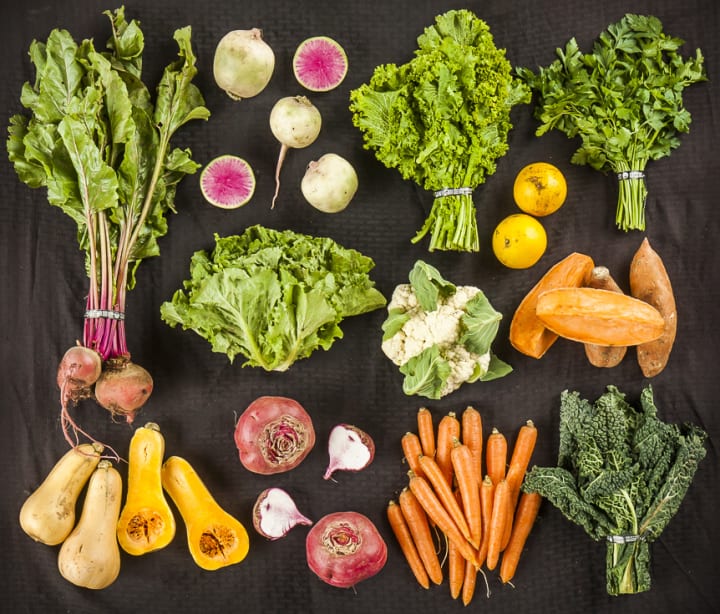
For example, leafy greens like spinach, kale, and swiss chard are loaded with vitamins A, C, and K, as well as folate and magnesium. These nutrients play a critical role in supporting the immune system, promoting skin health, and contributing to bone strength. Cruciferous vegetables like broccoli, cauliflower, and Brussels sprouts are high in fiber, antioxidants, and compounds known as glucosinolates, which may help reduce the risk of certain cancers.
Vegetables also provide an abundance of potassium, which is vital for regulating blood pressure and supporting muscle and nerve function. Sweet potatoes, beets, and tomatoes are excellent sources of this essential mineral. Additionally, vegetables like carrots, bell peppers, and zucchini are rich in beta-carotene, which is converted into vitamin A in the body and is essential for eye health.
### Fiber: A Key to Digestive Health
Fiber is another crucial component of vegetables that plays a significant role in digestive health. Most vegetables, especially those with skin, are excellent sources of dietary fiber. Fiber is a type of carbohydrate that the body cannot digest, and it passes through the digestive system, providing a number of health benefits along the way.
One of the most well-known benefits of fiber is its ability to support healthy digestion and regular bowel movements. Fiber helps to add bulk to stool, making it easier for the body to eliminate waste. This can help prevent constipation, promote a healthy gut, and reduce the risk of developing digestive disorders such as irritable bowel syndrome (IBS) and diverticulosis.
In addition to supporting digestion, fiber also plays a key role in heart health. Studies have shown that a high-fiber diet can help lower cholesterol levels, which in turn can reduce the risk of heart disease. Vegetables like beans, peas, and carrots are excellent sources of soluble fiber, which has been shown to help lower "bad" LDL cholesterol levels in the blood.
### Antioxidants: Protecting the Body from Free Radical Damage
Antioxidants are compounds that help protect the body from oxidative stress and damage caused by free radicals. Free radicals are unstable molecules that can damage cells and contribute to the aging process as well as the development of chronic diseases such as cancer, heart disease, and neurodegenerative conditions like Alzheimer's.
Vegetables are a rich source of antioxidants, which play a critical role in neutralizing free radicals and protecting the body's cells from damage. For example, dark, leafy greens like spinach and kale are rich in lutein and zeaxanthin, two antioxidants that support eye health and may help reduce the risk of age-related macular degeneration. Bell peppers, tomatoes, and broccoli are high in vitamin C, an antioxidant that helps boost the immune system and protect the skin from environmental damage.
Moreover, cruciferous vegetables like broccoli, cabbage, and kale contain sulfur-containing compounds known as isothiocyanates, which have been shown to have potent anti-cancer properties. These compounds may help inhibit the growth of cancer cells and reduce the risk of certain types of cancer, including breast, lung, and colon cancer.

### The Role of Vegetables in Weight Management
Maintaining a healthy weight is one of the most common health goals for many individuals. Fortunately, vegetables can play a crucial role in achieving and maintaining a healthy weight. Due to their low calorie content and high fiber content, vegetables help create a feeling of fullness, which can reduce overall calorie consumption.
The fiber in vegetables also slows down the digestion process, helping to regulate blood sugar levels and prevent spikes in insulin, which can lead to overeating. Eating a diet rich in vegetables can help stabilize energy levels throughout the day, reducing cravings and emotional eating, both of which can contribute to weight gain.
Furthermore, many vegetables, such as leafy greens, cucumbers, and zucchini, have a high water content, which can help keep the body hydrated and support overall metabolism. Consuming more vegetables is an effective way to maintain a balanced, healthy diet that supports weight loss and weight management without feeling deprived.
### Vegetables and Disease Prevention
The benefits of vegetables extend beyond general health and wellness. A diet rich in vegetables has been linked to a reduced risk of developing a variety of chronic diseases. Many of the vitamins, minerals, and antioxidants found in vegetables help support the body's immune system, reduce inflammation, and protect against cellular damage.
For instance, the fiber in vegetables has been shown to play a role in reducing the risk of type 2 diabetes by improving blood sugar control and insulin sensitivity. Additionally, a diet rich in vegetables has been associated with a lower risk of developing certain types of cancer, particularly colorectal cancer.
Moreover, vegetables such as spinach, kale, and other dark greens are rich in folate, which is essential for healthy cell division and may help prevent birth defects in pregnant women. The high levels of vitamin K found in vegetables like kale and broccoli are also critical for maintaining bone health and reducing the risk of osteoporosis, particularly in older adults.
### Conclusion: Embrace the Power of Vegetables
The power of vegetables lies in their ability to nourish the body with essential nutrients while supporting overall health and well-being. By incorporating a wide variety of vegetables into your diet, you can reap the benefits of improved digestion, a stronger immune system, better heart health, and disease prevention. Vegetables are not only delicious and versatile but also offer a wealth of health benefits that can help you live a longer, healthier life.
So, whether you're enjoying a hearty salad, a stir-fry, or a roasted vegetable medley, remember that each bite is an investment in your health. Make vegetables a cornerstone of your daily meals, and you will experience the transformative power they bring to your life.
About the Creator
Nora Ariana
Empowering through stories and sound igniting purpose, sparking growth, and awakening the power within.
Keep reading
More stories from Nora Ariana and writers in Earth and other communities.
A goal is a dream with a deadline
A goal is a dream with a deadline. This powerful quote reminds us that without action, dreams remain just that wishes floating in our imagination. But when we set a timeline and commit to achieving them, they evolve into goals, bringing clarity, direction, and purpose. Many people go through life holding on to dreams, hoping they will come true someday. But someday is not a day on the calendar. Dreams without structure often fade with time or get buried under the weight of daily responsibilities. Turning a dream into a goal is what separates those who achieve from those who continue to wish.
By Nora ArianaExclusive • 9 months ago
“If You’re Flushing the Toilet with Grey Water, People Should Know”: How China Turned Rain into an Asset
Water scarcity is one of the most pressing challenges facing the world today, and China is confronting it with bold, large-scale innovations. From sprawling cities to rural communities, the country has been transforming rainwater and grey water — wastewater from baths, sinks, and washing machines — into usable resources, addressing shortages while boosting sustainability. The approach is as much about engineering ingenuity as it is about public transparency and social trust. As one Chinese water engineer put it: “If you’re flushing the toilet with grey water, people should know.” This candid acknowledgment captures the essence of China’s strategy: utilize every drop of water efficiently while educating and involving the public. The Scale of China’s Water Challenge China faces a unique set of water challenges: Rapid urbanization, leading to increased demand for potable water Uneven distribution of water resources, with the north of China significantly drier than the south Industrial expansion, which consumes enormous quantities of freshwater Traditional water systems, reliant solely on rivers, lakes, and underground aquifers, are increasingly inadequate. Water shortages threaten agriculture, public health, and economic growth. Enter grey water and rainwater recycling, which turns previously discarded or seasonal water into a strategic asset. Grey Water: From Waste to Resource Grey water refers to domestic wastewater from sinks, showers, and washing machines — excluding sewage. While not suitable for drinking, it can be treated and reused for: Flushing toilets Irrigating gardens and parks Industrial processes requiring non-potable water China has implemented city-wide grey water recycling systems, often in high-rise residential blocks and industrial complexes. These systems involve: Collection: Grey water from sinks, showers, and laundry is routed through a separate piping network. Treatment: Basic filtration, chemical treatment, or UV sterilization removes contaminants. Reuse: Treated water is stored and reused for flushing toilets or irrigation, drastically reducing fresh water demand. In some cities, nearly 30–40% of household water consumption can be offset by grey water reuse, easing pressure on municipal water supplies. Rainwater Harvesting: Turning Precipitation into Opportunity Rainwater is another crucial asset, especially in regions where seasonal rains are abundant but water storage is limited. China’s rainwater harvesting initiatives include: Rooftop collection systems in urban and rural buildings Underground cisterns and reservoirs for storage Integration into public parks and community irrigation networks Collected rainwater can be used for irrigation, cleaning streets, or replenishing urban lakes — effectively reducing reliance on potable water while enhancing urban greenery. Cities like Beijing, Shanghai, and Shenzhen have led the way, embedding rainwater storage tanks and treatment units directly into infrastructure planning. This holistic approach turns rainfall from a transient resource into a stable, managed supply. Urban Integration and Smart Technology China’s approach goes beyond simple collection. Smart sensors, IoT devices, and AI analytics are being used to: Monitor grey water quality in real time Optimize rainwater collection and storage based on weather forecasts Reduce overflow and contamination risks By integrating these technologies, water managers can balance supply and demand dynamically, ensuring that recycled water is safe, efficient, and reliable. Public transparency is central. Residents are clearly informed when grey water is being used, often through visible signage in buildings or public awareness campaigns. This trust-building is essential to encourage adoption and avoid resistance. Environmental and Economic Benefits China’s grey water and rainwater initiatives yield substantial environmental and economic dividends: Conservation of freshwater: Reduces extraction from rivers, lakes, and aquifers, helping ecosystems survive droughts. Lower energy costs: Treating grey water locally uses less energy than pumping and purifying municipal water. Flood mitigation: Rainwater storage helps manage urban runoff during heavy rainfall, reducing flood risk. Economic savings for residents: Households using recycled water can reduce water bills significantly. By aligning environmental stewardship with cost-effectiveness, these projects illustrate a sustainable model for densely populated nations. Cultural Shifts and Public Perception Using recycled water for toilets or irrigation required a shift in public perception. Initially, residents expressed skepticism about safety and hygiene. China addressed this by: Implementing stringent water quality standards Educating the public through campaigns and signage Demonstrating transparency about treatment methods Over time, grey water reuse became normalized, particularly in new urban developments, where residents take pride in contributing to water conservation. Lessons for the World China’s water recycling strategy offers valuable lessons for other countries facing water scarcity: Urban planning must integrate water recycling from the start Technology can optimize efficiency, but transparency builds public trust Multiple water sources — grey water, rainwater, and municipal supply — can be combined strategically Community engagement is essential, especially when water reuse intersects with everyday routines Countries in the Middle East, Africa, and parts of the U.S. have already looked to China for insights on urban grey water and rainwater management. Challenges Ahead Despite progress, challenges remain: Infrastructure costs are high for retrofitting existing buildings Maintenance and monitoring are crucial to prevent contamination Public skepticism persists in some regions, requiring ongoing education and outreach Scaling these systems nationally requires both financial investment and cultural adaptation, but China’s experience shows it is achievable. Looking Forward China’s ambitious water recycling projects illustrate a paradigm shift in urban water management. Grey water and rainwater are no longer seen as waste or nuisance; they are valuable resources that can sustain cities, agriculture, and industry. As global water scarcity intensifies, lessons from China may inspire other nations to rethink how they treat water — not as a disposable commodity, but as a precious asset to manage wisely. Final Thoughts The statement, “If you’re flushing the toilet with grey water, people should know,” encapsulates the balance of innovation and transparency that makes China’s approach successful. By turning rain and grey water into assets, the country is conserving freshwater, protecting the environment, and setting a model for sustainable urban living. As other nations look to address water shortages, China’s example proves that with technology, planning, and public engagement, cities can transform perceived waste into a strategic resource for the future.
By Muhammad Hassan3 days ago in Earth
Facing Political Pressure, Trump Seeks Answer to Rising Housing Costs
As Americans continue to grapple with soaring home prices and rising rents, former President Donald Trump is once again thrust into the national spotlight — this time on a topic that affects millions of households: housing affordability. Facing mounting political pressure, Trump is reportedly exploring ways to address the rising cost of housing, a move that could influence policy debates, the real estate market, and his political narrative in the lead-up to upcoming elections. The Housing Cost Crisis Housing costs in the United States have been climbing steadily over the past several years. According to recent data: Home prices have risen faster than wages in many urban and suburban markets. Rental rates have increased sharply, particularly in high-demand cities like New York, Los Angeles, and Miami. Many Americans now spend 30–50% of their income on housing, leaving less for healthcare, education, and savings. The issue is not just economic — it is increasingly political, with voters citing housing affordability as a top concern. For a public figure like Trump, addressing this problem is both a strategic and symbolic imperative. Political Pressure Mounts Trump’s renewed attention to housing comes amid rising scrutiny from both political opponents and his own party. Democrats have criticized Republican-led efforts for failing to curb housing inflation, while some GOP voters are pressuring Trump to propose solutions that boost homeownership and reduce rent burdens. Policy analysts suggest that housing has become a litmus test for leadership, particularly as younger voters and working families express frustration over the lack of affordable options. This makes it a high-stakes issue for any political figure seeking influence or office. Trump’s Approach Reports indicate that Trump is focusing on several potential strategies to address rising housing costs: Regulatory Reform: Reviewing local and federal regulations that may restrict new construction, including zoning laws, environmental review processes, and permitting bottlenecks. Tax Incentives: Exploring measures to encourage developers to build more affordable housing units. Federal Support Programs: Considering expansion of federal programs for low-income families, including subsidies or down-payment assistance initiatives. Market-Based Solutions: Encouraging private sector investment in housing developments through incentives, partnerships, and streamlined approval processes. While the specifics of these proposals are still emerging, the focus is on expanding supply and easing financial barriers to homeownership and renting. Why Housing Costs Are Rising Understanding the challenge requires examining the factors behind rising housing costs: Supply Constraints: Many cities face shortages of available homes, particularly in areas with strong job growth. Labor and Material Costs: Construction costs have surged due to inflation, labor shortages, and higher material prices. Investor Activity: Institutional investors buying single-family homes as rental properties have reduced the supply available to individual buyers. Interest Rates: Elevated mortgage rates have increased monthly payments, further reducing affordability. These pressures are compounded in high-demand urban areas, making policy intervention both urgent and complex. Economic and Social Implications Rising housing costs have broad implications: Economic Strain: Families allocate more of their income to housing, leaving less for discretionary spending, healthcare, and education. Migration Patterns: High costs push residents to more affordable regions, reshaping local economies and labor markets. Political Discontent: Voters increasingly associate rising housing prices with government inaction, making it a politically sensitive issue. For Trump, addressing housing affordability is as much about economic outcomes as it is about political perception. Reactions from Industry Experts Housing analysts and economists have weighed in on Trump’s efforts: Some applaud the focus on regulatory reform, noting that local zoning and permitting hurdles are major barriers to new construction. Others caution that market-based incentives alone may not suffice and emphasize the need for targeted programs for low- and moderate-income households. Critics warn that overly aggressive deregulation could compromise environmental standards or neighborhood planning, creating long-term trade-offs. The debate reflects the complexity of housing policy in a country where supply, demand, and regulation intersect. Political Strategy and Messaging For Trump, addressing housing costs is not just policy — it is also political messaging. Analysts suggest that: Highlighting efforts to reduce housing costs allows him to appeal to working-class voters who feel squeezed by inflation. Framing housing as a regulatory and market problem aligns with broader Republican priorities of limiting government overreach. Demonstrating concrete solutions could strengthen his position as a problem-solver in the eyes of the electorate. In short, housing affordability represents both a policy challenge and an opportunity to shape the political narrative. Looking Ahead Trump’s proposals are still taking shape, but the broader housing crisis will remain a central issue in American politics: Policymakers at federal, state, and local levels will face pressure to balance supply, affordability, and environmental considerations. Real estate markets will continue to respond to interest rates, investor activity, and regulatory changes. Political figures will be judged by their ability to provide practical solutions that alleviate the financial burdens of everyday Americans. As the debate unfolds, one thing is clear: housing costs are not just numbers on a chart; they impact families, communities, and the broader economy. Conclusion Facing rising political pressure, Trump’s focus on the housing affordability crisis reflects both a policy challenge and a political imperative. With Americans struggling to pay rent and mortgage costs, any strategy that expands supply, reduces financial barriers, or incentivizes affordable development could have meaningful consequences. Whether his efforts will succeed in lowering costs or simply generate debate remains to be seen. What is undeniable, however, is that housing affordability is now a front-and-center issue in American politics, shaping public perception, economic policy, and the national discourse for years to come.Start writing...
By Muhammad Hassan6 days ago in Earth
Wild Card Weekend Recap: What Happens Now?
I think I figured out why I love Wild Card Weekend so much. It's because it's the first playoff anything of the calendar year. The NFL season starts in the fall, and once upon a time, the champion was crowned either on or slightly before New Year's. The evolution of the NFL schedule has resulted in the playoffs starting just into the New Year, and currently, the final week of the season falls on the first weekend of the New Year, with Wild Card Weekend coming a week after that. So yes, chronologically, the NFL's Wild Card Weekend serves as the first playoff anything of the calendar year.
By Clyde E. Dawkins6 days ago in Unbalanced




Comments
There are no comments for this story
Be the first to respond and start the conversation.