
Unleashing the Fury: Exploring the Devastation of Wildfires and Their Impact on Canada
Unveiling the Destructive Forces and Resilience in the Face of Wildfires
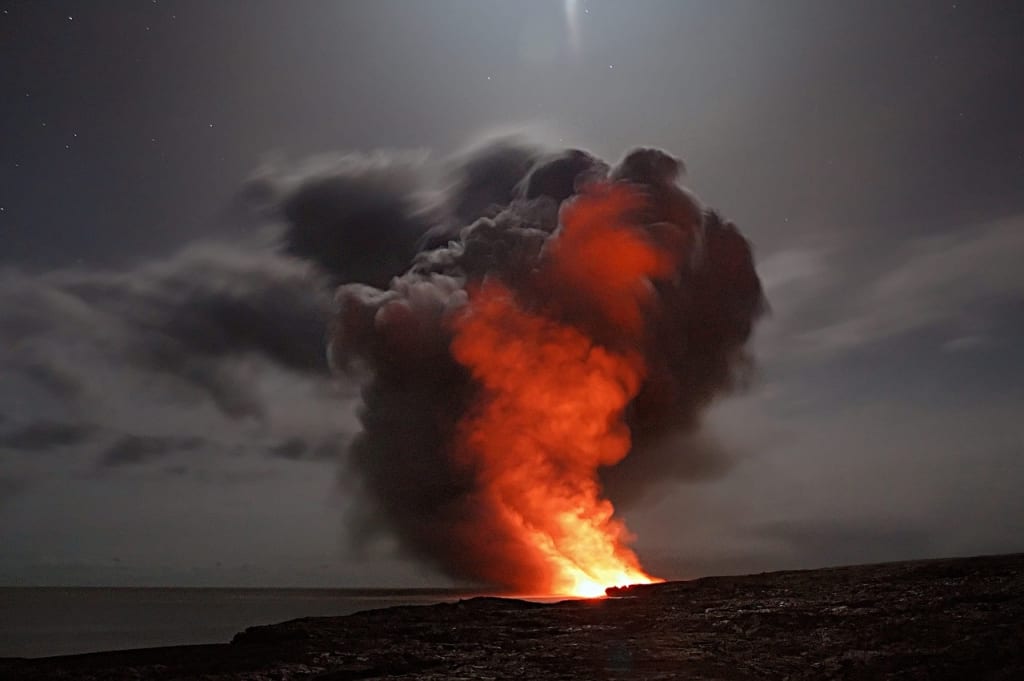
Brace Yourself for an Insightful Journey into the World of Wildfires
Introduction:
Nature's fury is an awe-inspiring force that often leaves us mesmerized and humbled. Among the many destructive phenomena, wildfires stand out as one of the most devastating and visually striking. In recent years, these infernos have gained widespread attention due to their increasing frequency and intensity, posing significant challenges to affected communities and ecosystems. In this article, we delve into the causes and definition of wildfires while exploring the top five worst wildfires ever recorded. Additionally, we focus on the regions in Canada that have been heavily impacted by these natural disasters, shedding light on the importance of understanding and mitigating their effects.
What Causes a Wildfire?
Wildfires are typically ignited by a combination of natural and human factors. Lightning strikes are a major natural cause, resulting in an estimated 10-15% of all wildfires globally. However, the majority of wildfires are sparked by human activities such as discarded cigarettes, campfires left unattended, intentional acts of arson, or poorly managed agricultural burns. Additionally, climate change plays a significant role, creating favorable conditions for wildfires by exacerbating droughts, increasing temperatures, and altering vegetation patterns.
Defining a Wildfire:
A wildfire is an uncontrolled fire that rapidly spreads across vegetation and forested areas, fueled by flammable materials such as dry leaves, grass, and fallen trees. These fires can cover vast expanses, engulfing everything in their path, and pose a severe threat to wildlife, human lives, and infrastructure. The intensity and speed of a wildfire are influenced by various factors, including wind speed, humidity levels, and the type and quantity of available fuel.
Witness the Unleashing of Nature's Fury: The Untamed Power of Wildfires
The Top 5 Worst Wildfires:
1. The Great Fire of 1910: Spanning across the states of Idaho, Montana, and Washington in the United States, this massive blaze consumed an astonishing three million acres and claimed the lives of at least 87 people. The tragedy served as a wake-up call, leading to the establishment of the United States Forest Service and the implementation of improved firefighting strategies.
2. Black Saturday Bushfires (2009): These devastating wildfires in the Australian state of Victoria claimed the lives of 173 people and destroyed thousands of homes. The combination of extreme heat, strong winds, and years of drought created the perfect conditions for this catastrophe.
3. Peshtigo Fire (1871): Often overshadowed by the Great Chicago Fire, the Peshtigo Fire ravaged northeastern Wisconsin, claiming an estimated 1,500 lives and scorching over 1.2 million acres. The fire's intensity was so immense that it created its own weather system, contributing to its destructive power.
4. Fort McMurray Wildfire (2016): This catastrophic wildfire in Alberta, Canada, led to the largest wildfire evacuation in the province's history, displacing approximately 88,000 people. The fire consumed over 1.5 million acres of land and caused extensive damage to the city of Fort McMurray.
5. Black Dragon Fire (1987): Also known as the Daxing'anling fire, this massive wildfire in China's Heilongjiang province burned for over two months, destroying around 1.7 million acres of forest. It is considered one of the most significant wildfires in Chinese history.
Wildfires in Canada:
Canada, with its vast wilderness and diverse ecosystems, is no stranger to wildfires. The provinces of British Columbia and Alberta have experienced the most severe wildfires in recent years. In British Columbia alone, an average of 2,000 wildfires occur annually, scorching around 1.2 million hectares of land. The effects of these fires ripple through the ecosystem, leading to habitat loss, air pollution, and disruptions in water supplies.
Conclusion:
Wildfires are an undeniable force of nature, capable of unleashing unimaginable devastation. As climate change continues to intensify and human activities encroach upon natural habitats, the frequency and severity of these wildfires are expected to increase. Understanding the causes and impact of wildfires is crucial in developing effective prevention, preparedness, and firefighting strategies. By raising awareness and implementing sustainable practices, we can work towards mitigating the risks posed by these untamed infernos, protecting both our environment and the lives of those affected.




Comments
There are no comments for this story
Be the first to respond and start the conversation.