
Unleashing the AI Revolution
Maximizing Potential, Empowering Humanity

Artificial Intelligence (AI) has emerged as a game-changer in the 21st century, offering transformative possibilities across industries. With its ability to analyze vast amounts of data, automate processes, and make informed decisions, AI has the potential to revolutionize how we live, work, and interact. To fully maximize the potential of AI in the current century, it is crucial to embrace its capabilities while addressing ethical considerations and ensuring responsible deployment.
In the realm of healthcare, AI has the power to significantly improve patient care and outcomes. By analyzing patient data, AI algorithms can detect patterns, identify early signs of diseases, and make accurate diagnoses. This enables healthcare professionals to provide timely and personalized treatments, saving lives and reducing healthcare costs. AI can also assist in drug discovery, speeding up the development of new treatments and therapies. Additionally, AI-powered virtual assistants can streamline administrative tasks, allowing doctors and nurses to focus on providing quality care to patients.
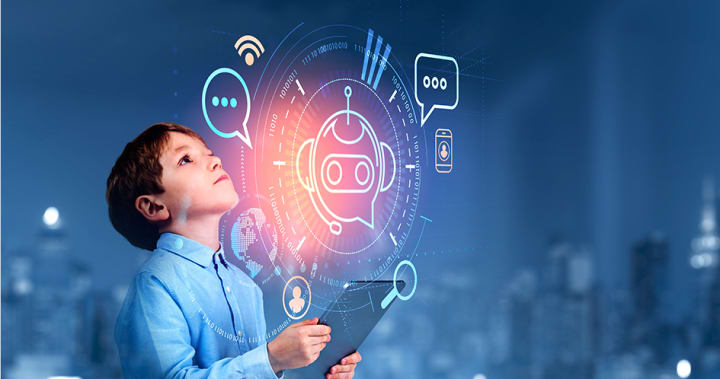
In the field of education, AI has the potential to revolutionize learning experiences and make education more accessible to all. AI-powered tutoring systems can adapt to individual learning styles, pace, and preferences, providing personalized guidance and support. Students can receive tailored explanations, practice exercises, and real-time feedback, enhancing their understanding and engagement. AI can also assist teachers in developing customized lesson plans and identifying areas where students may need additional assistance. By leveraging AI in education, we can create a more inclusive and effective learning environment.
Transportation is another sector where AI can maximize efficiency and safety. Self-driving cars, powered by AI, can navigate roads, reduce human error, and improve road safety. AI algorithms can optimize traffic flow, reducing congestion and minimizing travel time. Ride-sharing services can leverage AI to match passengers heading in the same direction, maximizing vehicle occupancy and reducing carbon emissions. Additionally, AI can analyze real-time data to adjust public transportation schedules based on demand, ensuring efficient and timely service.
The integration of AI in public services can enhance efficiency and responsiveness. AI-powered chatbots can provide prompt and accurate responses to citizen queries, improving accessibility and reducing response times. Government agencies can utilize AI algorithms to analyze vast amounts of data and gain insights for proactive decision-making. From waste management to energy consumption, AI can help optimize resource allocation and enhance sustainability. However, it is vital to ensure that AI systems are transparent, accountable, and respect privacy rights to build trust and maintain ethical standards.
While maximizing AI's potential, it is essential to address ethical considerations and mitigate potential risks. Privacy protection should be a priority, ensuring that personal data is safeguarded and used responsibly. Transparency in AI algorithms and decision-making processes is crucial to build trust and ensure accountability. Bias detection and mitigation techniques should be employed to prevent discrimination and promote fairness. Continuous monitoring and evaluation of AI systems are necessary to identify and address any unintended consequences or ethical issues that may arise.

Collaboration between various stakeholders is key to maximizing AI's potential. Governments, industry leaders, researchers, and ethicists must work together to establish guidelines and regulations that foster responsible AI development and deployment. The focus should be on creating an ecosystem that encourages innovation while safeguarding human values and rights. Public awareness and education about AI's capabilities, benefits, and risks are essential to foster informed decision-making and promote ethical practices.
The future of AI holds immense possibilities, and it is up to us to shape it responsibly. By maximizing the use of AI in healthcare, education, transportation, and public services, we can create a society that is more efficient, inclusive, and sustainable. However, it is vital to remain vigilant and ensure that the benefits of AI are accessible to all, while minimizing potential risks. By embracing AI with a strong ethical framework, we can unlock its true potential and pave the way
About the Creator
Keep reading
More stories from collins kipkoech and writers in Earth and other communities.
Brushstrokes of Resilience
Once upon a time, in a peaceful village nestled amidst the picturesque countryside of Ukraine, there lived a tight-knit community. Families shared laughter, dreams, and aspirations, while children played freely in the meadows. Life was simple, yet filled with hope and promise. However, the tranquility of this idyllic place was soon shattered by the ravages of war.
By collins kipkoech3 years ago in Earth
New Study Issues Dire Warning About Worsening Conditions in Major US River: ‘The Outlook … Does Not Look Good’
A recent study examining one of the United States’ most critical waterways has raised alarm bells for environmentalists, policymakers, and communities that rely on it for drinking water, agriculture, and commerce. The research, conducted by a consortium of scientists from leading universities and federal agencies, indicates that the river’s health is deteriorating at an unprecedented pace, and without immediate intervention, the consequences could be catastrophic.
By Fiaz Ahmed Brohi7 days ago in Earth




Comments
There are no comments for this story
Be the first to respond and start the conversation.