
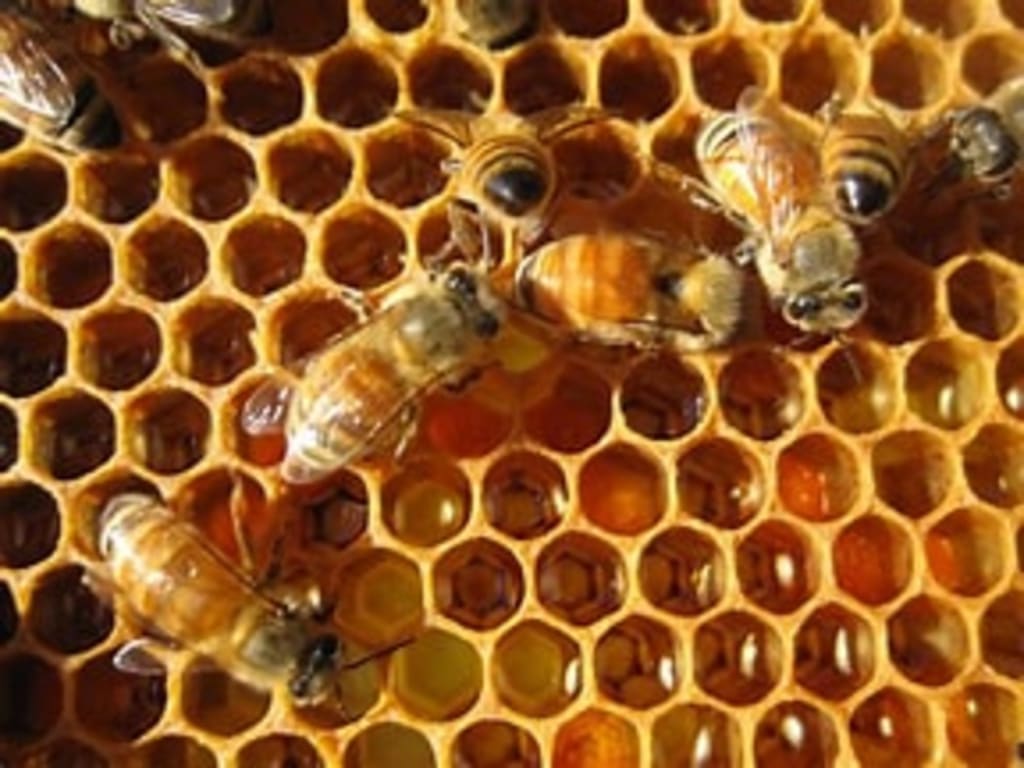
When we think of homes, the first image that comes to mind is usually one that a human built. But did you know that some of the most **unique homes** on Earth are created by nature itself? From intricate animal habitats to ancient natural formations, Mother Nature has her own way of crafting homes. Let's explore a few remarkable examples!
Animals have developed some incredible homes over time. Here are a few unique ones:
- **Beehives**: These buzzing architects construct hexagonal cells from beeswax to store honey and raise larvae. The efficiency of a beehive is a testament to nature’s genius.
- **Termite Mounds**: Termites are skilled builders. These mounds can stand up to 30 feet tall and are constructed with a variety of materials. They expertly manage temperature and humidity inside their homes.
- **Bird Nests**: Birds exhibit various nesting styles. The weaver bird is famous for creating intricate hanging nests that protect its young from predators.
Nature has a way of forming unique structures that serve as homes in their own right. Here are some notable examples:
- **Coral Reefs**: While often seen as underwater attractions, coral reefs are also homes to countless marine species. They house a diverse array of fish, crustaceans, and even sea turtles, forming essential ecosystems.
- **Fungi Houses**: In the forest, fungi like mushrooms can create unique living spaces for critters. Certain species even form symbiotic partnerships with plants, helping them absorb nutrients while taking shelter in return.
- **Rock Formations**: Natural rock formations can serve as homes too! Desert creatures often take refuge in caves or under boulders, seeking shade and protection from the harsh elements.
People admire natural homes and often try to mimic them in architecture. For example, sustainable homes inspired by ant hills or bee colonies are now becoming popular among eco-friendly homeowners.
While humans gather materials and design buildings, the materials offered by nature have their own story. Ancient peoples lived in caves and rock shelters as natural homes, experiencing a close connection to the earth.
Some formations around the world are not only unique but have become famous:
- **Antelope Canyon**: This stunning slot canyon in Arizona is known for its wave-like structure. Water and wind carved this natural wonder, creating a breathtaking home for various plants and animals.
- **Cappadocia Region**: Found in Turkey, Cappadocia delights visitors with its fairy chimneys. For centuries, humans inhabited these naturally formed caves, creating a unique blend of natural and human-made living spaces.
- **The Catacombs of Paris**: While dug out by human hands, these tunnels in Paris became a unique home for countless bones when the city faced overcrowding. The historical significance adds to its uniqueness.
Unique homes play a crucial role in the ecosystem. They provide shelter and resources for different species, helping maintain biodiversity. Here are some key points:
- **Biodiversity**: Homes crafted by nature maintain various habitats, ensuring ecosystems thrive. Coral reefs alone support approximately **25%** of ocean species, underscoring their importance.
- **Climate Regulation**: Natural homes also assist in regulating the climate, helped by trees that filter air and wetlands that mitigate floods. These homes contribute to a healthier planet.
- **Cultural Significance**: Many indigenous cultures have built traditions around unique homes in nature, from using traditional materials to respecting life within them. This connection to nature highlights the value of natural homes through time.
### Learning from Nature: Building Eco-Friendly Homes
Human innovation can draw inspiration from the unique homes of animals and plants. Here are some eco-friendly concepts being adopted:
- **Green Roofs**: Some houses feature roofs covered in vegetation, similar to living roofs found on nests. They help with insulation and reduce heat, mimicking the insulating qualities found in the animal realm.
- **Earth Sheltered Homes**: Constructed with natural soil, these homes mimic caves and provide natural insulation. They create a unique harmony with the environment.
- **Modular and Sustainable Materials**: Design ideas borrowed from coral and beehives emphasize efficient material usage, promoting sustainability while maintaining unique aesthetics.
As people admire unique homes created by nature, it’s crucial to emphasize the importance of **conservation**. We must protect these homes to ensure that wildlife and natural habitats remain healthy.
- **Laws and Regulations**: Many countries have laws protecting natural formations, coral reefs, and animal habitats. However, conservation is a collective effort requiring cooperation from all.
- **Community Involvement**: Local communities can help safeguard natural habitats, ensuring marine, terrestrial, and aerial homes thrive. Initiatives focused on creating awareness can lead to lasting change.
In conclusion, the world is full of **unique homes** not built by human beings. Nature’s architecture, from nests to reefs, inspires awe and prompts us to reflect on our relationship with the environment.
By understanding these unique habitats, we can better appreciate their role in our collective ecosystem. Let’s treasure and protect these incredible homes for future generations to enjoy.
For further reading on the topics of natural homes and ecology, check out articles from sources like [National Geographic](https://www.nationalgeographic.com/) and [World Wildlife Fund](https://www.worldwildlife.org/).
About the Creator
Keep reading
More stories from dominique moore and writers in Earth and other communities.
Data as a Superpower: How Integrated Data Delivery Transforms Clinical Trial Timelines
In today’s rapidly evolving pharmaceutical landscape, data has emerged as one of the most powerful tools in clinical research. With drug development timelines often stretching over a decade, companies are under immense pressure to streamline processes, reduce costs, and deliver therapies to patients faster. Integrated Data Delivery (IDD) is increasingly recognized as a game-changing approach that transforms the way clinical trials are planned, executed, and analyzed.
By Aarif Lashariabout 20 hours ago in Earth
Edinburgh and Glasgow Top London as UK’s Nightlife Hotspots, Uber Data Shows
For decades, London has been seen as the undisputed heart of the UK’s nightlife, drawing partygoers with its clubs, concerts, late-night dining, and cultural events. However, new data released by Uber suggests that the balance may be shifting. According to recent ride-hailing trends, Edinburgh and Glasgow have now overtaken London as the UK’s top nightlife hotspots, signaling a major change in how and where Britons choose to spend their nights out.
By Aarif Lashari5 days ago in Earth



Comments
There are no comments for this story
Be the first to respond and start the conversation.