
Understanding the Houthi Movement: History, Ideology, and Conflict in Yemen
Navigating the Complexities of Yemen's Houthi Movement: A Journey Through History, Ideology, and Conflict

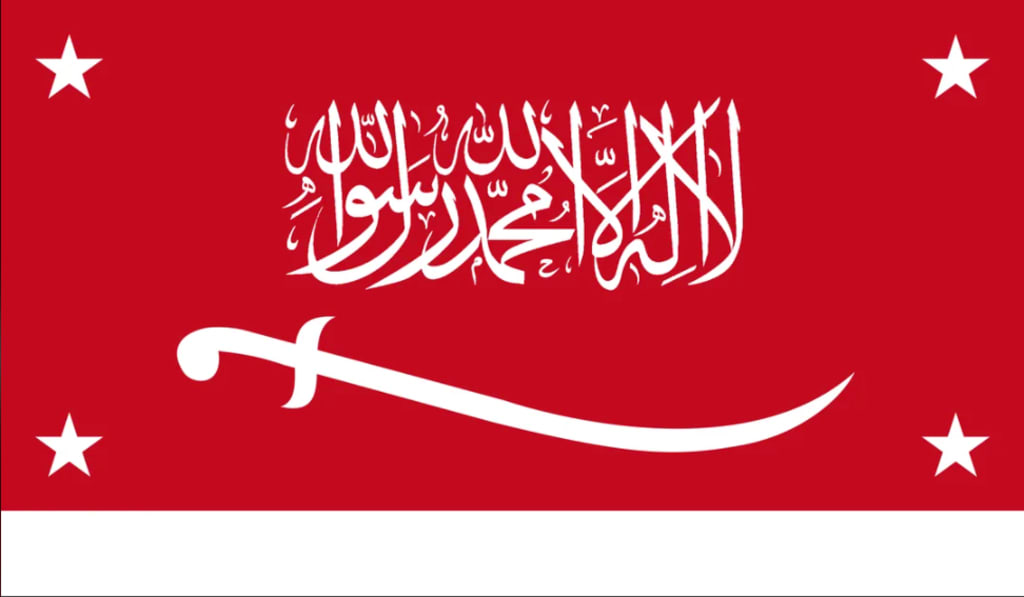
In the tumultuous landscape of the Middle East, few groups have garnered as much attention and controversy in recent years as the Houthi movement in Yemen. Emerging from the northern Saada governorate, the Houthis have risen to prominence as a significant player in Yemeni politics, challenging the authority of the central government and sparking a brutal civil war. In this blog post, we delve into the history, ideology, and impact of the Houthi movement, shedding light on a complex and often misunderstood phenomenon.
Origins and Background
The roots of the Houthi movement can be traced back to the 1990s when Hussein Badreddin al-Houthi, a Zaidi Shia cleric, founded the group to advocate for the interests of Yemen’s Zaidi Shia minority. The Zaidis, a branch of Shia Islam, have a long history in Yemen and have faced marginalization and discrimination at the hands of the Sunni-dominated government. Al-Houthi and his followers initially focused on social and religious activism, seeking to address grievances and promote the rights of their community.
However, tensions between the Houthis and the Yemeni government escalated in the early 2000s, culminating in a series of armed confrontations. The government accused the Houthis of seeking to overthrow the state and of receiving support from Iran, a charge the group denies. The conflict intensified, leading to a cycle of violence that would eventually engulf the entire country.
Ideology and Objectives
At its core, the Houthi movement is driven by a mix of religious, political, and socio-economic grievances. Ideologically, the Houthis adhere to a form of Zaidism that emphasizes resistance against oppression and injustice. They see themselves as defenders of the Zaidi faith and champions of the Yemeni people against corruption and tyranny.
Politically, the Houthis have called for the establishment of a more inclusive and equitable government that represents the interests of all Yemenis, regardless of sect or tribe. They have criticized the central government for its close ties to foreign powers, particularly Saudi Arabia and the United States, and have advocated for greater independence and sovereignty for Yemen.
Socio-economically, the Houthis have championed populist policies aimed at addressing poverty, inequality, and underdevelopment, particularly in the marginalized regions of northern Yemen. They have provided social services, including education and healthcare, to win support among the population and solidify their base of followers.
Conflict and Consequences
The rise of the Houthi movement has had profound consequences for Yemen and the wider region. In 2014, Houthi rebels seized control of the capital, Sanaa, and effectively ousted the internationally recognized government of President Abdrabbuh Mansur Hadi. This triggered a devastating civil war that has ravaged the country ever since.
The conflict has exacted a heavy toll on Yemeni civilians, with thousands killed and millions displaced by fighting, airstrikes, and humanitarian crises. Yemen is now facing one of the world’s worst humanitarian disasters, with widespread famine, disease, and suffering gripping the population.
Internationally, the Houthi insurgency has drawn in regional powers, with Saudi Arabia leading a coalition of Arab states in a military intervention against the Houthis. The Saudi-led campaign has been criticized for causing civilian casualties and exacerbating the humanitarian crisis, while the Houthis have been accused of human rights abuses and war crimes.
Challenges and Prospects
As the conflict in Yemen enters its second decade, the prospects for peace remain uncertain. Efforts to broker a political solution have faltered, with the warring parties unable to reach a lasting ceasefire or power-sharing agreement. The humanitarian situation continues to deteriorate, with aid agencies struggling to meet the needs of millions of Yemenis in need of assistance.
For the Houthi movement, the challenge is to translate its military gains into political leverage and legitimacy. While the Houthis control significant territory and resources, they face internal divisions and external pressure that could undermine their position in the long run. Moreover, their reliance on Iran for support has fueled suspicions and animosities among Yemen’s neighbors and Western powers.
Ultimately, the fate of Yemen lies in the hands of its people, who yearn for peace, stability, and prosperity after years of suffering and strife. Whether the Houthi movement can play a constructive role in shaping Yemen’s future or will remain a source of conflict and instability remains to be seen. What is clear, however, is that the resolution of the Yemeni crisis will require compromise, dialogue, and a commitment to the common good from all parties involved.
About the Creator
Keep reading
More stories from Afeef Khan and writers in Earth and other communities.
The NASA orbiter captures breathtaking images of the Martian horizon.
The awe-inspiring reactions that astronauts often have when witnessing the curvature of Earth from the International Space Station are now being mirrored by scientists studying Mars. Thanks to NASA's 2001 Mars Odyssey orbiter, which recently completed its 22nd year at the Red Planet, these scientists are experiencing a similar sensation.
By Afeef Khan2 years ago in Earth
Top Australian Writers’ Festival Cancelled After Palestinian Author Barred
One of Australia’s most respected literary festivals has been cancelled following a fierce backlash over the decision to bar a Palestinian author from participating. What began as a programming dispute quickly escalated into a national debate about free speech, cultural inclusion, and political pressure in the arts. The cancellation has sent shockwaves through Australia’s literary community, raising urgent questions about whose voices are allowed on public platforms and at what cost.
By Aarif Lashari5 days ago in Earth
The Trans Youth Athletes in the US Fighting for Their Rights: ‘Playing Is an Act of Resistance’
Across the United States, sports have become an unexpected front line in the fight over transgender rights. For many trans youth athletes, simply stepping onto a field, track, or court is no longer just about competition—it is an act of resistance. As state legislatures debate and pass laws restricting transgender participation in school sports, young athletes are finding themselves at the center of a national culture war that reaches far beyond the locker room.
By Aarif Lashari5 days ago in Earth
The Devil's Cut
“Comrade, finally you’re awake.” The voice was smooth, sensual. A flickering incandescent bar was all that lit the white, sterile room. All Vladimir remembered was everything going black. He tried to move his arms and found them strapped to the gurney.
By Matthew J. Fromm5 days ago in Fiction



Comments
There are no comments for this story
Be the first to respond and start the conversation.