
Understanding Snow Emergency Levels in Ohio: What They Mean and How to Stay Safe
Ohio’s snow emergency system helps residents prepare, respond, and navigate dangerous winter conditions—here’s how it works and what you need to know.

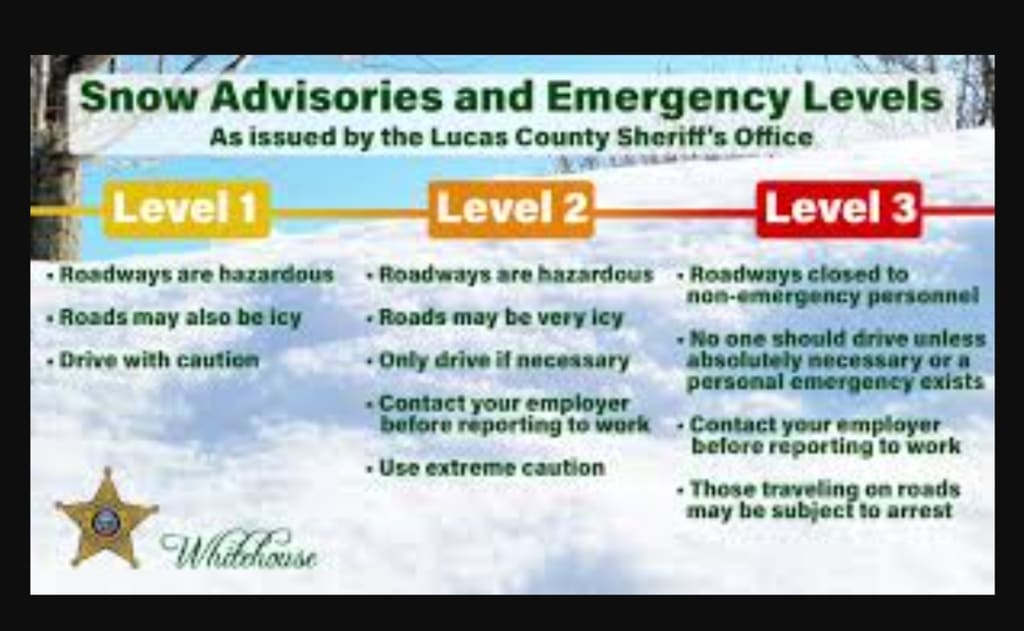
Ohio’s Snow Emergency Levels: A Clear Guide for Winter Preparedness
When winter settles in, Ohio residents know that heavy snow, ice, and below-freezing temperatures can make everyday life hazardous. To help keep people safe and roads passable, the state and its communities use a system of snow emergency levels—formal designations that guide travel restrictions, plowing priorities, and public safety messaging.
Understanding these levels isn’t just useful—it can be critical when a storm hits. Knowing what each level means helps you make smarter decisions whether you’re driving to work, heading to the grocery store, or trying to stay safe at home.
What Are Snow Emergency Levels?
Snow emergency levels are tiered alerts issued by local authorities to warn residents about worsening winter weather conditions and changing road safety. While exact terminology and implementation can vary slightly from city to city, the system generally follows a clear progression, commonly labeled as:
1. Level 1 – Be Prepared
2. Level 2 – Be Set
3. Level 3 – Roads Closed to Non-Emergency Vehicles
Each level carries specific guidance that affects travel, parking, and emergency response.
Level 1 – Be Prepared
What it means:
A Level 1 snow emergency is the first stage of winter weather alerts. Officials issue this when snow or ice is expected to begin affecting road conditions, but travel may still be possible with caution.
What to expect:
Treated routes and major roads are being plowed and salted.
Secondary and neighborhood streets may still be slick or untreated.
Drivers should reduce speeds and allow extra time for travel.
Residents should monitor weather updates and prepare for potential escalation.
Safety tips:
Check weather forecasts and road conditions before heading out.
Make sure your vehicle is winter-ready (tires, antifreeze, emergency kit).
Avoid unnecessary travel if roads look treacherous.
Level 2 – Be Set
What it means:
A Level 2 snow emergency indicates more serious conditions that can significantly impact driving. Snowfall and ice accumulation may make major roadways slick, and visibility can be reduced.
Restrictions and recommendations:
Non-essential travel is discouraged.
Roads may be hazardous even with plowing and sanding efforts.
Motorists are advised to exercise extreme caution.
Parking restrictions may go into effect to allow snow removal.
Parking rules (varies by city):
Some municipalities enforce alternate-side parking so snowplows can clear entire streets. Violating these rules can result in fines or towing.
Safety tips:
If you must travel, stick to main roads that are more frequently cleared.
Leave early and increase your driving distance from other vehicles.
Avoid hills and unsecured bridges when possible.
Level 3 – Roads Closed to Non-Emergency Vehicles
What it means:
A Level 3 snow emergency is the most serious designation. Officials issue this when conditions are severe, travel is dangerous, and snow removal is in full force. Only essential and emergency travel is permitted.
What happens:
Roads may be completely impassable for regular vehicles.
City crews are prioritizing snow removal, emergency response access, and major routes.
Parking may be strictly prohibited on public streets.
Law enforcement may set up checkpoints or issue citations for unnecessary travel.
Who can travel:
Emergency personnel, public works crews, medical staff, and other essential workers. All others are strongly advised to stay off the roads.
Safety tips:
Stay home and avoid going out unless absolutely necessary.
Keep your phone charged, and have a winter survival kit in your car and home.
Check on older or vulnerable neighbors who may need assistance.
How Snow Emergency Levels Are Declared
In Ohio, snow emergency levels are typically declared by mayors or county officials in coordination with public safety agencies and meteorologists. Decisions take into account:
Snowfall intensity and forecasted accumulation
Road conditions and visibility
Ice formation and freezing rain potential
Impact on emergency services and public transportation
Officials announce changes to emergency levels through multiple channels, including: ✔ Local government websites
✔ Social media accounts
✔ Emergency alert systems
✔ News outlets
Residents should pay attention to trusted sources rather than social media rumors to get accurate updates.
Why These Alerts Matter
Snow emergencies aren’t just warnings—they’re tools that help protect lives and property. Moving through winter storms without taking alerts seriously can lead to:
❌ Vehicle accidents
❌ Stranded motorists
❌ Traffic jams that block emergency vehicles
❌ Fines or towing during parking enforcement
❌ Increased pressure on first responders
By understanding snow emergency levels, you help the entire community stay safer.
Tips for Staying Safe in Winter Weather
Whether it’s a Level 1 or a Level 3 emergency, these practices are always wise:
✔ Prepare your car: snow tires, full gas tank, blankets, water, shovel
✔ Monitor conditions: check local DOT updates and weather forecasts
✔ Stay informed: sign up for local alerts and emergency notifications
✔ Stock up at home: food, medicine, batteries, and essentials in case travel is unsafe
Conclusion
Snow emergency levels in Ohio are more than just announcements—they are vital public safety tools during harsh winter weather. From Level 1 “Be Prepared” to Level 3 “Roads Closed,” each step signals increasing risk and necessary precautions.
As winter storms become more intense and unpredictable, understanding and respecting these alerts can make a real difference for you, your family, and your community. Stay safe, stay informed, and don’t underestimate the power of preparation when Ohio’s snow season hits.
About the Creator
Asad Ali
I'm Asad Ali, a passionate blogger with 3 years of experience creating engaging and informative content across various niches. I specialize in crafting SEO-friendly articles that drive traffic and deliver value to readers.
“I’m a Motor Neurone Disease Specialist. I’ve Never Seen a Couch Potato Get MND”
Motor neurone disease (MND) is one of the most devastating neurological conditions, progressively affecting muscles and leading to loss of mobility, speech, and independence. Yet, according to specialists, certain lifestyle stereotypes—like the “couch potato”—are surprisingly not typical among MND patients.
By Aarif Lashari2 days ago in Earth
Amniotic Membrane Market Size and Forecast 2025: Regenerative Medicine Accelerates Global Growth
The global Amniotic Membrane Market is entering a phase of accelerated expansion as regenerative medicine gains widespread acceptance across hospitals, specialty clinics, and surgical centers. According to Renub Research, the market is expected to grow from US$ 2.73 billion in 2024 to US$ 7.38 billion by 2033, registering a robust CAGR of 11.68% from 2025 to 2033.
By Sushant. Renub Research6 days ago in Earth




Comments
There are no comments for this story
Be the first to respond and start the conversation.