
Under Water, in Denial: Is Europe Drowning Out the Climate Crisis?
Extreme weather, political inertia, and media framing leave Europe struggling to address the accelerating climate crisis effectively

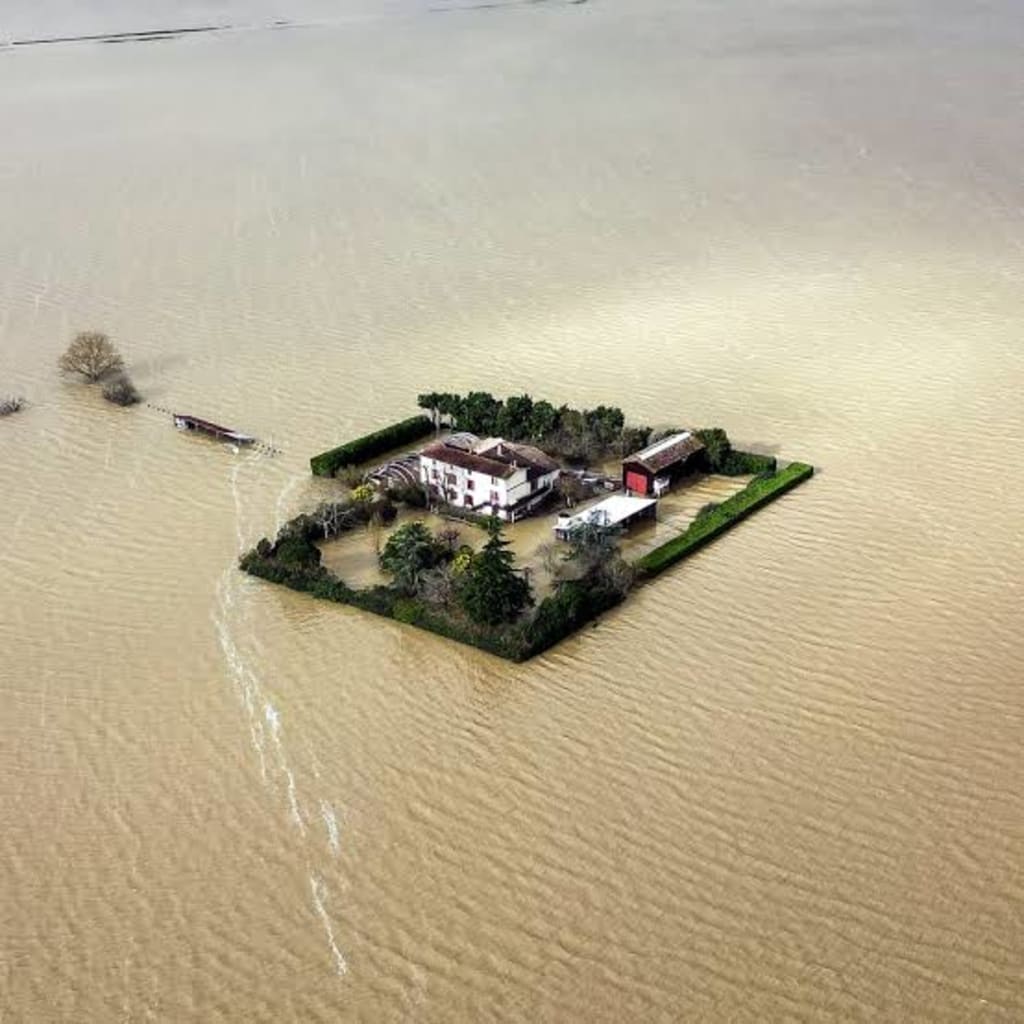
Europe is facing an escalating climate crisis, yet public discourse and policy responses often appear misaligned with the scale and urgency of the challenge. Extreme weather events, flooding, and record temperatures have repeatedly tested the continent’s infrastructure and resilience, but some analysts argue that political hesitation, economic priorities, and media framing are contributing to a subtle form of denial about the severity of climate threats.
Extreme Weather on the Rise
Over the past decade, Europe has witnessed a notable increase in extreme weather events. From unprecedented heatwaves in southern Spain and Italy to devastating floods in Germany and Belgium, the frequency and intensity of such incidents are rising in ways scientists attribute to climate change. According to recent data from the European Environment Agency (EEA), floods and heatwaves alone have caused tens of billions of euros in damage since 2015.
Despite the evidence, many European governments have struggled to translate these warnings into consistent, robust climate action. While countries like Germany and Denmark have invested heavily in renewable energy, others continue to rely on fossil fuels or fail to implement comprehensive mitigation strategies.
Political Hesitation and Economic Constraints
A recurring theme in European climate policy is the tension between immediate economic concerns and long-term environmental imperatives. Policymakers face pressure to maintain economic growth, protect jobs, and avoid unpopular energy price hikes. This often results in incremental measures rather than bold reforms.
“The problem is not ignorance—it’s political inertia,” said a climate policy analyst in Brussels. “Even when governments acknowledge the science, short-term economic and electoral pressures dilute the urgency of their actions.”
Recent debates over natural gas reliance illustrate this dynamic. While Europe has pledged to reduce carbon emissions in line with the Paris Agreement, geopolitical events and energy security concerns have led some countries to temporarily increase fossil fuel consumption, undermining broader climate objectives.
Media Coverage and Public Perception
Media framing also plays a critical role in shaping public awareness of climate risk. Studies show that while extreme events receive coverage, they are often presented episodically rather than as part of a systemic crisis. Headlines may highlight isolated floods or wildfires without connecting them to long-term climate trends, fostering a perception that these events are temporary or exceptional.
This framing can feed a subtle denial among the public, even as scientific reports warn of accelerating environmental risks. Surveys indicate that while Europeans generally recognize climate change, there is less consensus on the urgency or the transformative actions required, suggesting a gap between knowledge and engagement.
Regional Disparities and Vulnerable Communities
The impact of climate change is uneven across Europe. Coastal regions, river valleys, and low-lying urban centers are particularly vulnerable to flooding, while southern areas face intensifying heatwaves and drought. Vulnerable populations, including low-income residents and migrants, are disproportionately affected, raising concerns about social equity and resilience.
Cities like Venice, Rotterdam, and Hamburg have implemented flood defenses and urban adaptation measures, yet experts warn that piecemeal efforts are insufficient. Without coordinated, continent-wide strategies, localized responses may fail to protect broader populations from systemic climate risks.
Looking Ahead
European leaders face a critical crossroads. The continent has the resources, scientific expertise, and technological capability to lead on climate action, yet political caution, economic pressures, and fragmented communication threaten to undermine progress. Analysts emphasize that acknowledging the crisis, integrating mitigation and adaptation strategies, and fostering public engagement are essential to avoid long-term ecological and economic costs.
“The question is whether Europe will confront reality before it’s too late,” said an environmental policy researcher. “We are literally under water—politically and environmentally—if we continue to treat climate change as a distant problem.”
Without decisive action, Europe risks not only environmental damage but also economic disruption, social inequality, and political instability. The climate crisis is no longer a future threat—it is an immediate challenge, demanding coordinated, bold, and transparent policies across the continent.
About the Creator
Fiaz Ahmed
I am Fiaz Ahmed. I am a passionate writer. I love covering trending topics and breaking news. With a sharp eye for what’s happening around the world, and crafts timely and engaging stories that keep readers informed and updated.
Keep reading
More stories from Fiaz Ahmed and writers in Earth and other communities.
Five Remain Displaced After Roof Damaged in Storm
Five people remain displaced after a powerful storm tore through a residential neighborhood, severely damaging the roof of a family home and forcing emergency services to declare the property unsafe. The incident occurred late in the evening as heavy rain and strong winds swept across the area, leaving behind structural damage that residents say happened within minutes.
By Fiaz Ahmed 12 days ago in Earth
Bringing environmental care into everyday yoga
For many students, yoga offers an opportunity to disconnect from our external environment — to pause, breathe, move, and regroup. Our practice, however, does not happen in a vacuum. Every mat we step on, garment we wear, studio we walk into, and class we attend exists within an ecosystem.
By Kara Sherwood4 days ago in Earth



Comments
There are no comments for this story
Be the first to respond and start the conversation.