
"Uncovering the Mysterious World of the Brazilian Wandering Spider"
Exploring the Biology, Habitat, and Threats of this Elusive Arachnid
Introduction
Definition of the Brazilian Wandering Spider
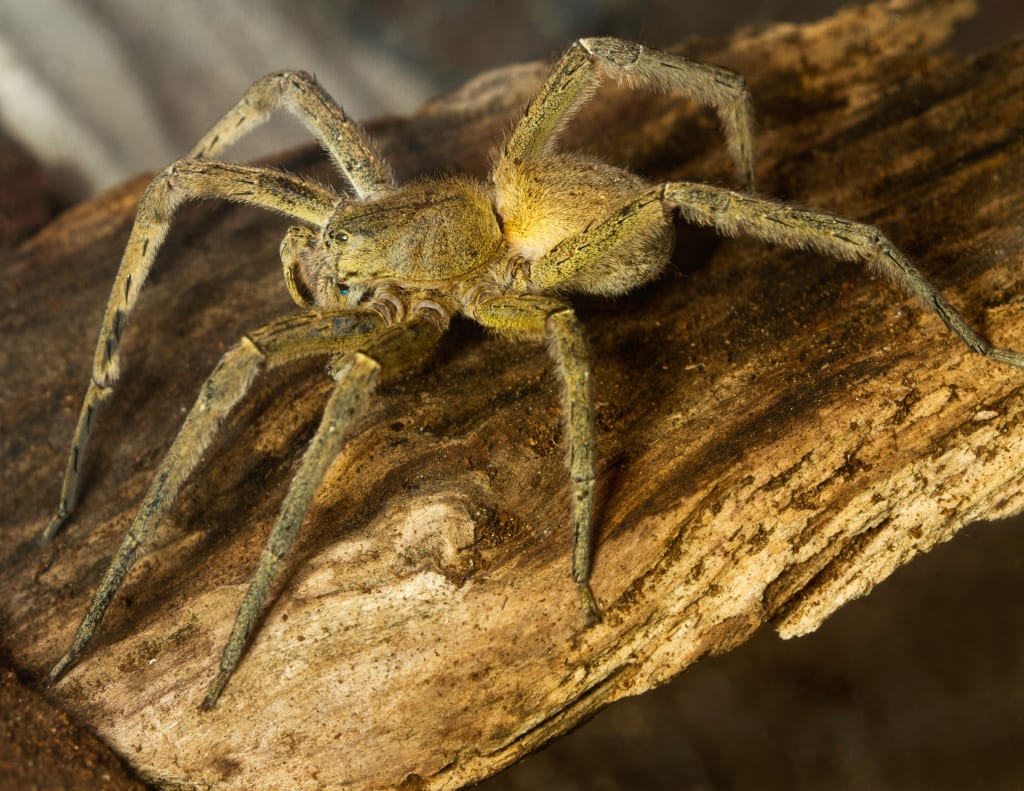
The Brazilian Wandering Spider, also known as the Banana Spider or Phoneutria, is a species of venomous spider found in South and Central America. This spider is known for its aggressive behavior and highly toxic venom, which makes it one of the most dangerous spiders in the world.
Overview of its unique characteristics
The Brazilian Wandering Spider is unique in several ways. Firstly, it is an active hunter, and unlike most spiders, it does not spin webs to catch its prey. Instead, it wanders in search of food, hence its name. Secondly, it is one of the few species of spider that are known to be dangerous to humans. Its venom can cause severe pain, paralysis, and in severe cases, death.
Importance of studying this species
Despite its dangerous reputation, the Brazilian Wandering Spider is an important species to study for several reasons. Firstly, it provides important insights into the biology of spiders and their venom. Secondly, understanding the behavior and habitat of this species can help in developing effective strategies to control its populations and reduce the risk of human encounters. Additionally, the venom of the Brazilian Wandering Spider contains compounds with potential medicinal value, making it an important species for bioprospecting.
Biology and Anatomy
Physical appearance
The Brazilian Wandering Spider is a large spider, with a body length of up to 5 centimeters (2 inches) and a leg span of up to 15 centimetres (6 inches). It is dark brown or black in colour, with a distinctive pattern of stripes and spots on its abdomen. The female is generally larger than the male, and has a round, plump body.
Reproduction
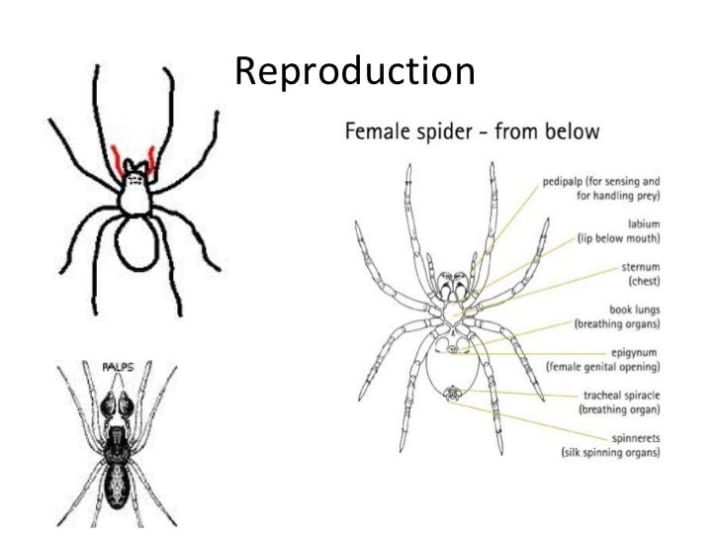
The Brazilian Wandering Spider is a solitary species, but during mating season, males will search for a female to mate with. Mating usually takes place in the female's burrow, and after mating, the female will lay hundreds of eggs in a silk sac. The eggs will hatch into spiderlings, which will emerge from the sac after several weeks.
Venom composition and effects
The venom of the Brazilian Wandering Spider is highly toxic and contains a range of compounds that can cause a range of symptoms in humans. These include pain, swelling, nausea, and in severe cases, respiratory failure and death. The venom also contains compounds that can cause priapism, an unwanted and prolonged erection in men. The exact composition of the venom varies between individuals and populations, making it important to study in order to understand the potential effects of a bite and to develop effective anti-venom treatments.
Habitat and Distribution
Geographical range
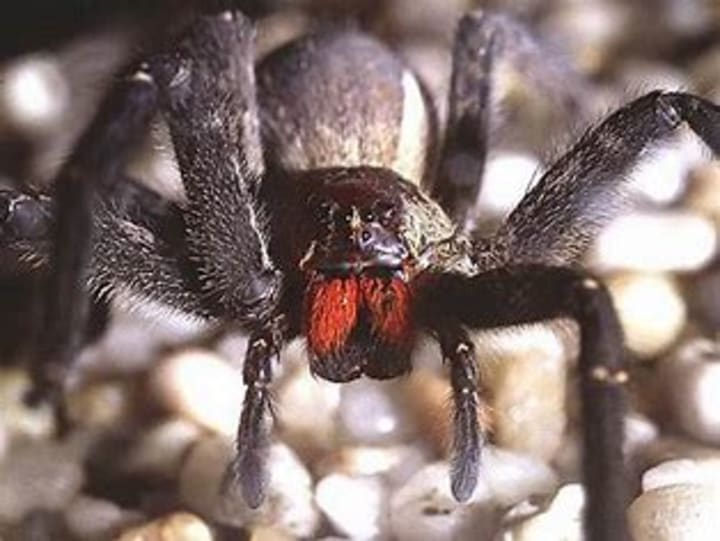
The Brazilian Wandering Spider is found in South and Central America, in countries such as Brazil, Argentina, Uruguay, and Peru. It is a highly adaptable species that can thrive in a range of habitats, from forests and savannas to urban areas.
Natural environment
In the wild, the Brazilian Wandering Spider lives in burrows in the ground or in trees and bushes. It is most active at night, and during the day, it will hide in its burrow or among the leaves and branches of vegetation. This species is an opportunistic hunter, and will feed on a variety of insects, small mammals, and even other spiders.
Threats to its survival
The Brazilian Wandering Spider is facing several threats to its survival. These include habitat loss and degradation due to deforestation and urbanization, as well as pesticide use, which can reduce its prey populations. Additionally, the illegal trade in exotic animals, including spiders, is also a threat, as individuals may be captured from the wild and sold as pets or for use in medical research. Climate change may also have an impact on the distribution and behavior of this species in the future. Conservation efforts are needed to protect the Brazilian Wandering Spider and its habitat, and to reduce the risk of encounters with humans.
Threats to Humans
Bites and symptoms
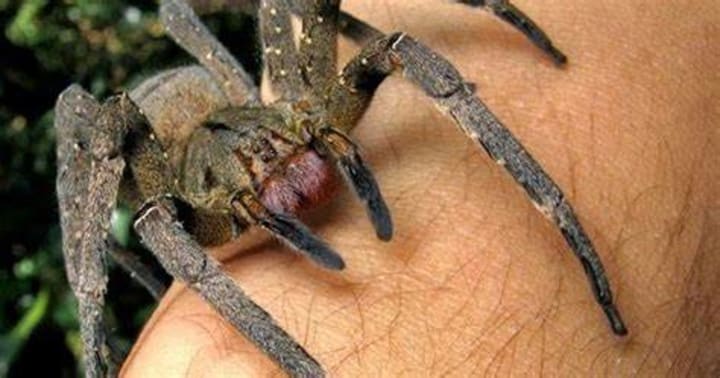
The Brazilian Wandering Spider is considered to be one of the most dangerous spiders in the world due to its aggressive behavior and highly toxic venom. Bites from this species can cause a range of symptoms in humans, including severe pain, swelling, nausea, and difficulty breathing. In severe cases, a bite can be fatal, especially in young children, the elderly, or individuals with weakened immune systems.
Treatment and anti-venom
Treatment for a bite from the Brazilian Wandering Spider typically involves the administration of pain medications and anti-venom, as well as monitoring of vital signs and the administration of oxygen, if necessary. In severe cases, hospitalization may be required, and in some cases, the bite can result in permanent injury or death.
Prevention and control measures
Prevention is the best way to avoid a bite from the Brazilian Wandering Spider. This includes avoiding activities that may disturb the spider's habitat, such as gardening or cleaning out storage areas, and being cautious when handling objects that may contain the spider, such as bananas, shoes, or piles of wood. In areas where the spider is commonly found, control measures may include the use of insecticides and the destruction of the spider's habitat. Additionally, education programs can help to raise awareness about the dangers of the Brazilian Wandering Spider and how to avoid encounters with this species.
Conservation Efforts
Status and current population
The Brazilian Wandering Spider is not considered to be a threatened species and has a widespread distribution in South and Central America. However, the exact size of its population is not known, and there is a lack of data on its population trends and distribution.
Challenges and solutions
Conserving the Brazilian Wandering Spider and its habitat presents several challenges, including habitat loss and degradation, pesticide use, and the illegal trade in exotic animals. Solutions to these challenges include increasing protected areas and wildlife reserves, reducing the use of pesticides, and enforcing laws and regulations to prevent the illegal trade in exotic animals.
Role of public awareness
Public awareness plays a crucial role in the conservation of the Brazilian Wandering Spider. Education programs can help to raise awareness about the dangers of this species and how to avoid encounters with it, as well as the importance of preserving its habitat and reducing threats to its survival. By increasing public awareness and understanding, it is possible to promote conservation efforts and ensure the survival of this unique and important species for future generations.
Conclusion
Summary of key findings
The Brazilian Wandering Spider is a highly venomous species found in South and Central America, known for its aggressive behavior and toxic venom. It has a wide geographical range and can adapt to a variety of habitats, from forests to urban areas. Bites from this species can cause serious symptoms in humans and, in severe cases, can be fatal. Conservation efforts are needed to protect the Brazilian Wandering Spider and its habitat, and to reduce the risk of encounters with humans.
Future research directions
Further research is needed to understand the biology and behavior of the Brazilian Wandering Spider, as well as its population trends and distribution. In particular, there is a need for more research on its venom and the development of effective anti-venom, as well as studies on the impacts of climate change on this species.
Importance of protecting this species
The Brazilian Wandering Spider is an important species, both ecologically and medically. It plays a role in controlling insect and small mammal populations, and its venom has potential uses in the development of new medicines and treatments. Protecting this species and its habitat is important not only for the conservation of biodiversity, but also for the potential benefits it may provide to humans in the future. By promoting conservation efforts and increasing public awareness, it is possible to ensure the survival of the Brazilian Wandering Spider for future generations.
About the Creator
“Are You Dead?”: A New App Reflects the Loneliness of Young Chinese Living Alone
In China’s rapidly changing cities, living alone is no longer unusual—especially among young adults pursuing education, careers, and independence. But as solo living increases, so do concerns about isolation, safety, and what happens when no one is around to check in. Against this backdrop, a new app with a blunt, unsettling question—“Are you dead?”—has captured public attention and ignited debate. Despite its shocking name, the app is not designed to provoke fear. Instead, it aims to address a practical and emotional gap in modern urban life: how to ensure the well-being of people who live alone, and how technology is stepping in where traditional community networks have weakened. The Rise of Solo Living in China China has witnessed a dramatic shift in household structures over the past two decades. Urbanization, delayed marriage, rising housing costs, and changing cultural values have contributed to a growing number of single-person households, particularly among people in their 20s and 30s. For many young Chinese professionals, living alone represents freedom and self-reliance. It allows flexibility, privacy, and independence from family expectations. Yet this independence often comes with trade-offs: fewer daily social interactions, weaker neighborhood ties, and limited support in emergencies. In megacities like Beijing, Shanghai, and Shenzhen, it is increasingly common for neighbors not to know each other at all. In this environment, concerns about what happens if someone becomes ill, injured, or simply disappears from daily routines have become more pronounced. What the App Actually Does Despite its provocative name, the app’s purpose is surprisingly simple. It functions as a digital check-in system. Users set regular times to confirm they are okay—by tapping a notification or completing a brief check-in. If the user fails to respond after a certain period, the app automatically alerts designated contacts, such as friends, family members, or emergency responders. The stark question, “Are you dead?”, is intentionally designed to grab attention and prompt action. Developers argue that softer language is often ignored, while blunt phrasing cuts through digital noise and encourages consistent use. In essence, the app acts as a safety net, especially for people who live alone and may not have daily contact with others. Why Young People Are Downloading It The app’s popularity reflects deeper anxieties among young adults navigating modern life. Many users say they downloaded it not because they fear the worst every day, but because it provides peace of mind—both for themselves and for loved ones. For parents living far from their children, the app offers reassurance without constant phone calls. For users, it creates a sense of being quietly watched over, without sacrificing independence. Some users have also described the app as a form of emotional comfort. Even a routine notification can feel like a reminder that someone, somewhere, would notice if they vanished from daily life. A Name That Sparked Debate The app’s name has been its most controversial feature. Critics argue that the phrase “Are you dead?” is unnecessarily harsh and reflects a growing desensitization in digital culture. Others worry that such language could amplify anxiety rather than reduce it. Supporters, however, see the name as a reflection of reality rather than a provocation. In densely populated cities where people can go unnoticed for days or weeks, the question is uncomfortable—but relevant. They argue that avoiding blunt language does not eliminate the underlying problem of isolation. The debate highlights a broader tension in tech design: Should apps prioritize emotional sensitivity, or practical effectiveness—even if it makes people uncomfortable? Technology Filling a Social Gap The rise of this app points to a larger issue: technology increasingly compensates for weakened social structures. In the past, extended families, close-knit neighborhoods, and workplace communities naturally checked in on individuals. Today, those informal safety nets are often absent. Apps like this one are not just tools; they are symptoms of a society where digital solutions are replacing human presence. While convenient, this raises questions about whether technology is addressing the root causes of loneliness—or simply managing its consequences. Still, for many users, the app is not a replacement for relationships, but a supplement to modern life realities. Living Alone Does Not Mean Wanting to Be Alone An important takeaway from the app’s success is that living alone is not the same as wanting isolation. Many young Chinese adults value independence but still crave connection, security, and acknowledgment. The app’s routine check-ins, though minimal, provide a structured moment of contact. In a fast-paced, high-pressure environment, even small gestures of recognition can matter. This trend also reflects changing attitudes toward mental well-being and personal safety. Younger generations are more open to discussing vulnerability and using tools that previous generations might have dismissed. What This Says About Modern Urban Life The popularity of an app that asks such a stark question speaks volumes about the realities of contemporary urban living—not just in China, but globally. As cities grow larger and lives become more individualized, people are searching for new ways to ensure they are seen, remembered, and protected. The app’s success suggests that people are willing to engage with uncomfortable ideas if they address real needs. It also underscores the importance of designing technology that is honest about modern challenges, rather than masking them with euphemisms. Conclusion: A Wake-Up Call, Not a Warning While the phrase “Are you dead?” may sound alarming, the app behind it is less about fear and more about care. It reflects a generation navigating independence in a world where traditional support systems no longer function as they once did. Rather than signaling a morbid obsession, the app serves as a quiet reminder of something deeply human: the need to be noticed. In that sense, its blunt question is not about death at all—but about presence, connection, and the reassurance that someone would check if you were gone. As solo living continues to rise, tools like this app may become less shocking and more commonplace—symbols of how society adapts to changing ways of life in the digital age.
By Muhammad Hassan4 days ago in Earth




Comments
There are no comments for this story
Be the first to respond and start the conversation.