
Trump Promised to Cut Energy Bills in Half. One Year Later, Has He Delivered?
“Trump’s Bold Claim: Cutting Your Energy Bills in Half”

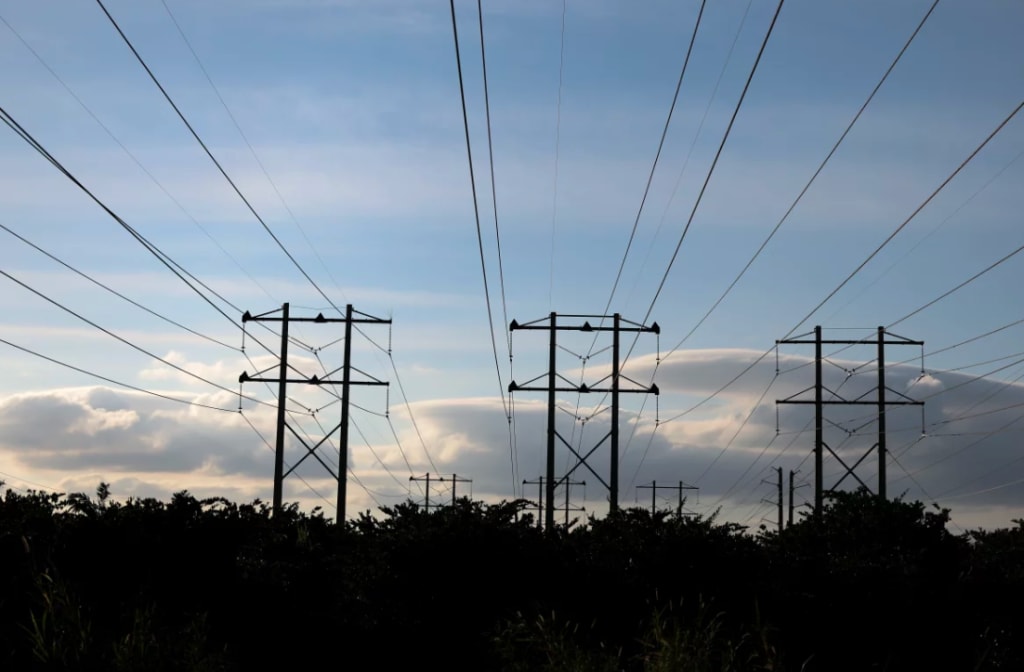
One year ago, former President Donald Trump made headlines with a bold promise: he would slash Americans’ energy bills by 50%. The pledge was ambitious, aiming to address the dual challenges of rising utility costs and economic strain on households. As energy prices have continued to fluctuate over the past year, the question on everyone’s mind is simple: has Trump delivered on his promise?
The Promise: Energy Bills Cut by Half
During a campaign-style speech in early 2025, Trump declared that his administration would implement policies to drastically reduce the cost of electricity, gas, and heating for the average American household. The pledge was framed around three main strategies:
Boosting Domestic Oil and Gas Production – Trump claimed that expanding drilling operations and opening new energy corridors would lower fuel costs for consumers.
Reducing Regulatory Burdens – By cutting what he called “unnecessary regulations” on power generation and distribution, Trump argued energy companies could operate more efficiently, passing savings on to households.
Investing in Alternative Energy – Despite his focus on fossil fuels, Trump also promised increased investment in solar and wind to stabilize long-term prices.
At the time, analysts were skeptical. Cutting energy bills by half is a massive target, considering the complex factors that influence electricity and gas costs, including global oil prices, inflation, and extreme weather events.
One Year Later: Energy Prices in Review
A year into Trump’s stated plan, the data tells a nuanced story.
Electricity Costs: According to the U.S. Energy Information Administration (EIA), the average residential electricity bill has seen only a marginal decline of 3–5% nationally. Some states, like Texas and Florida, have experienced slightly higher drops due to local deregulation, but nowhere near the promised 50%.
Gasoline Prices: Fuel prices are volatile, largely influenced by international markets. While domestic oil production did increase modestly under Trump’s policies, global tensions and supply chain disruptions meant that gasoline prices remained roughly the same or slightly higher in some regions.
Heating and Natural Gas: The cost of natural gas for home heating has fluctuated sharply due to a combination of cold winters and export demand. On average, consumers have seen a 2–6% decrease, which again is far below the 50% target.
Overall, while there have been some reductions in certain states or sectors, the national average shows only modest relief, leaving many Americans wondering when—or if—they’ll see the dramatic cuts Trump promised.
Why the Promise Fell Short
There are several reasons why Trump’s goal of halving energy bills has not materialized:
1. Global Energy Market Volatility
Energy prices are heavily influenced by international factors such as conflicts in oil-producing regions, OPEC decisions, and global demand shifts. Even with increased domestic production, the U.S. cannot fully shield consumers from these forces.
2. Infrastructure and Regulatory Challenges
Cutting energy costs significantly would require not just deregulation but major upgrades to power grids, transmission lines, and storage systems. These are long-term investments that cannot yield dramatic savings within a single year.
3. Inflation and Rising Demand
The U.S. has seen persistent inflation, which affects all sectors including energy. Additionally, post-pandemic demand surges and extreme weather events have increased consumption, putting pressure on prices despite policy efforts.
4. Unrealistic Targets
Experts have argued that a 50% reduction was always an ambitious, politically attractive number rather than a realistic projection. Analysts from the Brookings Institution and other think tanks noted that even a 10–15% decrease in energy costs would be considered a major achievement given current market dynamics.
What Americans Are Experiencing
For the average household, energy bills remain a significant portion of monthly expenses. While some regions and low-income programs have benefited from targeted subsidies and local initiatives, most families are still paying amounts similar to or slightly lower than last year.
For example:
A family in Ohio might see a $15–$20 reduction in monthly electricity costs.
A household in California, where energy demand is high, could see negligible change despite the administration’s policies.
These numbers fall far short of the bold claim of halving bills, prompting discussions about the effectiveness of the administration’s approach and whether political promises need more careful scrutiny.
Political Implications
Trump’s pledge on energy bills highlights a broader challenge in politics: setting expectations vs. delivering outcomes. While ambitious promises can energize voters and attract media attention, failure to deliver creates criticism and skepticism.
Democrats and energy policy experts have pointed out that Trump’s policies favored production over consumer cost relief, meaning that increased fossil fuel output may benefit corporations more than households. Critics argue that without direct subsidies or price control mechanisms, the average American sees only marginal relief.
Meanwhile, Trump supporters contend that the groundwork has been laid for long-term improvements, claiming that energy prices could decline more significantly in the coming years as infrastructure and deregulation measures take effect.
Looking Ahead: Will Energy Bills Drop Further?
The next year will be crucial in assessing whether Trump’s energy plan achieves its broader goals. Factors to watch include:
Further domestic oil and gas production
Expansion of renewable energy infrastructure
Changes in global oil markets and international trade
Inflation trends and government subsidies
If these factors align favorably, Americans may see more noticeable reductions—but a 50% cut within the first year now seems unlikely.
Final Thoughts
Trump’s promise to halve energy bills was bold and attention-grabbing, but one year later, it remains largely unfulfilled. While modest decreases have occurred in select areas, national averages show minimal impact on the average household.
The situation highlights the complexity of energy economics: prices are influenced by global markets, domestic production, infrastructure limitations, and policy choices. Ambitious political promises may excite voters, but delivering tangible results, especially in sectors as volatile as energy, takes time, strategy, and realistic targets.
For Americans still hoping for lower energy bills, the lesson is clear: policy promises may set expectations, but real-world outcomes often lag behind political rhetoric.
About the Creator
Muhammad Hassan
Muhammad Hassan | Content writer with 2 years of experience crafting engaging articles on world news, current affairs, and trending topics. I simplify complex stories to keep readers informed and connected.
Keep reading
More stories from Muhammad Hassan and writers in Earth and other communities.
After Four Shark Attacks in 48 Hours, NSW Authorities Urge Beachgoers: ‘Just Go to a Pool’
Summer in New South Wales usually means sun, sand, and surf. But in the past 48 hours, NSW beaches have been anything but relaxing. Authorities have reported four separate shark attacks in just two days — a highly unusual cluster that has led officials to give a stark warning: “just go to a pool.”
By Muhammad Hassanabout 18 hours ago in Earth
Workers Recover 15,000 Crabs After Lorry Crashes Into Field
An extraordinary scene unfolded when a lorry carrying an estimated 15,000 live crabs crashed into a field, spilling its cargo across farmland and prompting a large-scale recovery effort. The unusual accident quickly drew attention from local residents, emergency services, and animal welfare groups, as workers scrambled to rescue as many crabs as possible before they succumbed to exposure.
By Aarif Lashari7 days ago in Earth
FPS: Roots and Branches Challenge Winners
The FPS: Roots and Branches Challenge has wrapped up, and gaming enthusiasts around the world are celebrating the winners of this exciting and competitive event. From showcasing incredible skill to creative problem-solving, participants pushed their limits, making the challenge a true testament to the evolving world of first-person shooter (FPS) games.
By Aarif Lasharia day ago in Earth




Comments
There are no comments for this story
Be the first to respond and start the conversation.