
Tree
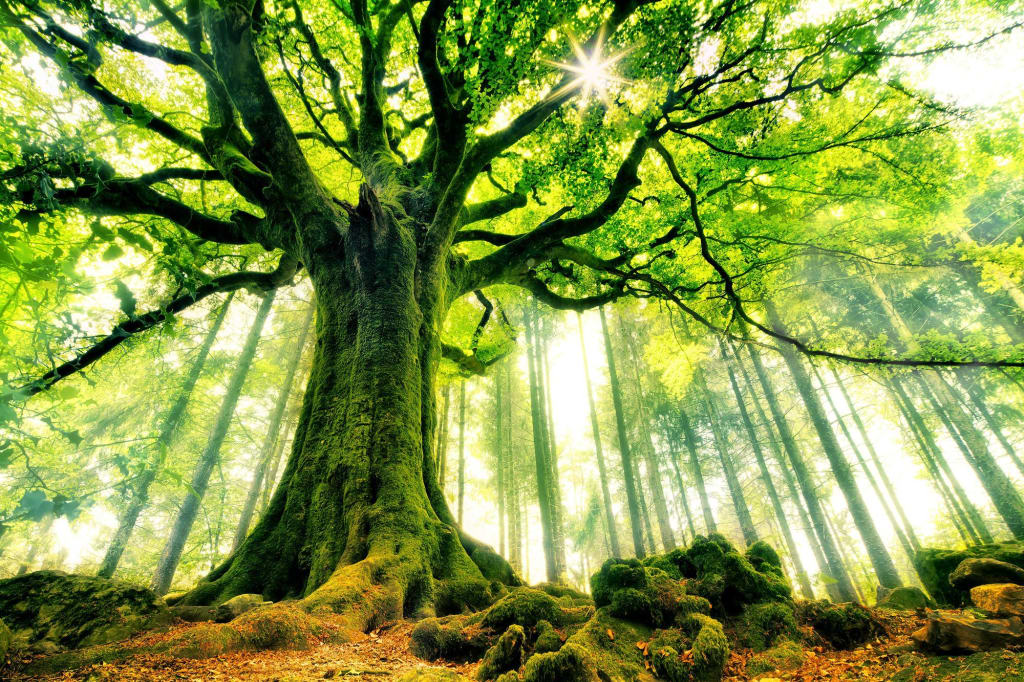
A tree is a perennial plant with a single stem or trunk supporting branches and leaves. Trees can range in size from small shrubs to towering giants, and they are found in nearly every environment on Earth. They play important roles in ecosystems, providing habitat for wildlife, stabilizing soil, and helping to regulate the Earth's climate. Trees also have many practical uses for humans, such as providing wood for building and fuel, and producing fruit and nuts.
Good Benefit in Tree Cultivating
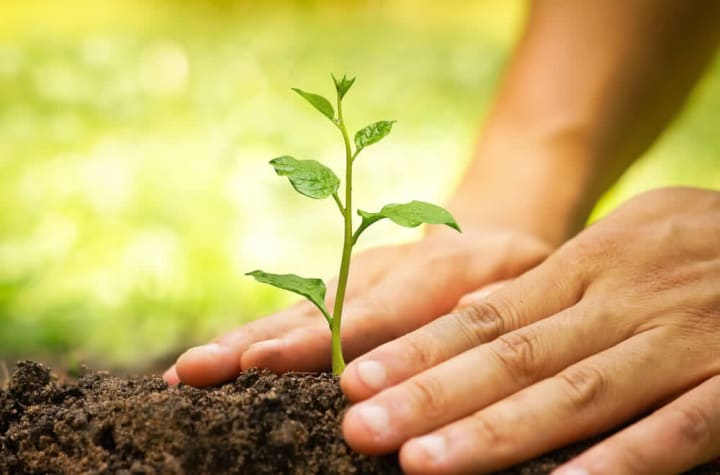
There are many benefits to cultivating trees, some of which include:
1. Environmental: Trees help to improve air and water quality, reduce soil erosion, and provide habitat for wildlife. They also help to regulate the Earth's climate by absorbing carbon dioxide and releasing oxygen.
2. Economic: Trees provide a variety of products such as wood, fruits, nuts and latex, also trees can be used as wind breakers and to control soil erosion, which can help to protect crops and property.
3. Social: Trees can have a positive impact on mental and physical health, they can be used as a source of recreation and as a way to beautify communities.
4. Aesthetic: Trees can add visual appeal to a landscape, creating a sense of natural beauty and tranquility.
5. Biodiversity: Trees provide a habitat for a wide range of plants and animals, which can help to support biodiversity in an ecosystem.
6. Climate change adaptation: Trees can help to mitigate the effects of climate change by providing shade, reducing heat island effect, and acting as a buffer against strong winds.
7. Flood control: Trees can help to reduce the risk of flooding by absorbing and storing large amounts of water.

Tree Growing Method
There are several methods for growing trees, including:
1. Seed germination: This method involves planting tree seeds in a suitable location and providing the necessary conditions for germination, such as moisture and warmth. Once the seed sprouts, it is typically transplanted to a permanent location.
2. Nursery cultivation: This method involves growing trees in a nursery setting, where they are protected from harsh weather conditions and can be cared for until they are mature enough to be transplanted to a permanent location.
3. Rooted cuttings: This method involves taking a cutting from a mature tree and rooting it in a suitable growing medium. Once the cutting has rooted and begun to grow, it can be transplanted to a permanent location.
4. Grafting: This method involves joining a cutting from a desirable tree (scion) onto the rootstock of a different tree. The scion will then continue to grow and produce the desired characteristics of the tree.
5. Air layering: This method involves rooting a branch while it is still attached to the tree by making an incision in the bark, exposing the cambium layer, and covering it with a rooting medium. Once roots have formed, the branch can be cut and transplanted.
6. Direct seeding: This method involves planting the seed directly into the ground. It is often used for native tree species, and for large-scale reforestation projects.
The method that you choose to grow a tree will depend on the type of tree you are growing, the location where you plan to plant it, and the resources and facilities you have available.

Tree variety
There are a wide variety of tree species found all over the world, each with their own unique characteristics and uses. Some examples of different types of trees include:
Coniferous trees: These trees are also known as evergreens and they have needle-like leaves and bear cones. Examples include pine, spruce, and fir trees.
Deciduous trees: These trees lose their leaves annually, examples include Oak, Maple, and Birch.
Fruit trees: These trees bear fruit, such as apples, oranges, and peaches.
Nut trees: These trees bear nuts, such as walnuts, almonds, and pecans.
Palm trees: These trees are native to tropical and subtropical regions, and are known for their large, feathery leaves and tall trunks.
Bamboo: This is a type of grass that grows in tall, woody stems and is often used for construction and other practical purposes.
Mangrove: These are the trees that can live in saltwater, they are found in tropical regions, and play a vital role in protecting coastlines from erosion and storms.
Redwood and sequoia trees: These are some of the largest and tallest trees in the world, and can live for over 2000 years.
Cedar: This is a type of coniferous tree that is known for its fragrant wood and is often used for construction and furniture.
These are just a few examples of the many different types of trees that exist. Each tree species has its own unique characteristics, growth habits, and uses.
About the Creator
Keep reading
More stories from muthaiyamaniarasan and writers in Earth and other communities.
Language
There are approximately 7,000 languages spoken by humans worldwide. Some of these languages are widely used by large populations, while others are spoken by only a few individuals. The exact number of languages is difficult to determine, as new languages can emerge and others can become extinct over time. Additionally, many languages are endangered, with declining numbers of speakers and limited documentation of their vocabulary and grammar. However, the diversity of languages is a testament to the richness of human culture and the ability of people to adapt and create new forms of communication.
By muthaiyamaniarasan3 years ago in Education
“Make America Go Away”: Spoof MAGA Caps Soar in Popularity Amid the Greenland Crisis
Political slogans have always been powerful, but in today’s hyper-connected world, they often take on a life of their own. In recent weeks, a new phrase has been popping up across social media, protests, and online marketplaces: “Make America Go Away.” Printed boldly on red caps that closely resemble the iconic MAGA hats, the slogan is a pointed parody—and it’s rapidly gaining popularity amid renewed tensions surrounding Greenland and U.S. foreign policy rhetoric.
By Aarif Lashari7 days ago in Earth
Light Builder Waste Skip Bins: Convenient Solutions for Small Projects
Whether you’re renovating your home, cleaning out a small construction site, or completing a DIY project, managing light building waste efficiently is essential. Light builder waste skip bins provide an easy, safe, and environmentally friendly way to dispose of debris without hassle. In this blog, we’ll explore the benefits of light builder waste skip bins, how to choose the right size, and tips for using them effectively.
By Sydney Skip Bins5 days ago in Earth


Comments
There are no comments for this story
Be the first to respond and start the conversation.