
Tragic Chapter on the Trains Sends Rail Superpower Spain Into Crisis
Spain’s railway system faces scrutiny after a series of deadly incidents and operational failures
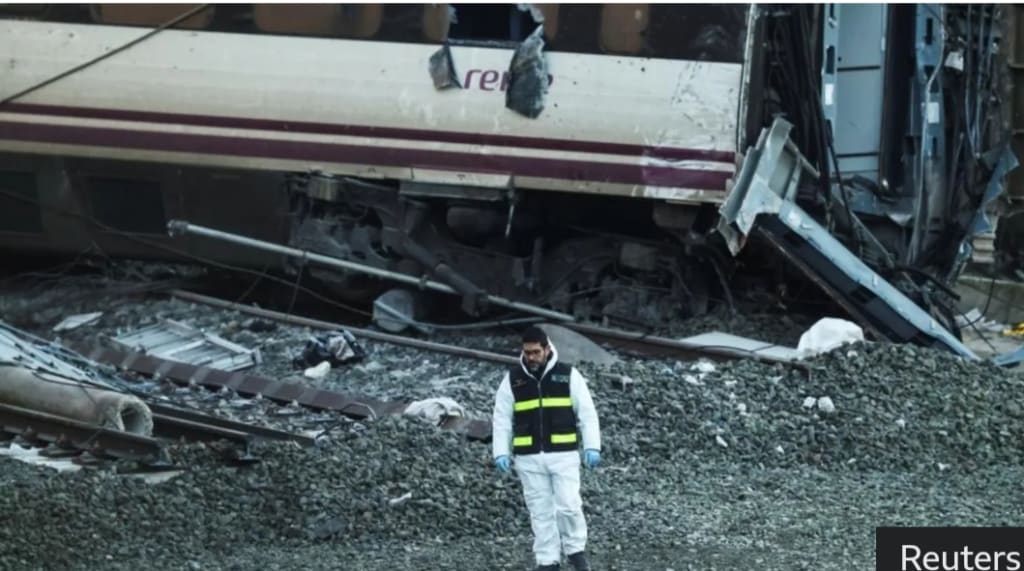
Spain, long celebrated as a railway superpower thanks to its high-speed AVE network and extensive commuter services, is now grappling with a rail crisis following a series of tragic incidents. Recent events have triggered public outrage, investigations, and calls for urgent reforms, highlighting vulnerabilities in what was once considered one of Europe’s safest and most efficient rail systems.
A String of Tragic Incidents
Over the past months, Spain has witnessed a number of fatal accidents and operational failures on its rail network. From collisions and derailments to signaling errors, these events have not only caused loss of life but also undermined public confidence in the system.
Authorities report that some of the most serious incidents involve aging infrastructure, human error, and delays in implementing modern safety technology. Investigators are looking into how systemic issues may have contributed to these tragedies.
Impact on Public Confidence
Spain’s rail network has historically been a symbol of national pride, offering high-speed connections between major cities like Madrid, Barcelona, and Seville. The recent string of incidents, however, has shaken public trust.
Commuters and travelers are expressing concerns over safety standards, punctuality, and maintenance practices. Many are now questioning whether the rapid expansion of high-speed rail over the past decades came at the expense of rigorous safety checks.
Economic and Social Consequences
The rail crisis is more than a safety issue; it has economic and social repercussions:
Commuter Disruptions
Thousands of passengers experience delays, cancellations, and overcrowded alternative transport, affecting daily work and productivity.
Tourism Impact
Spain relies heavily on tourism, and rail failures threaten the smooth movement of international and domestic tourists, potentially affecting local economies.
Cost of Repairs and Compensation
The government and rail operators face financial burdens in repairing damaged infrastructure, compensating victims, and upgrading safety systems.
Government and Operator Response
The Spanish government, along with the national rail operator Renfe, has promised swift action. Measures include:
Safety audits on high-risk routes
Investment in modern signaling and monitoring systems
Enhanced training for railway staff
Emergency response improvements to better manage accidents
Additionally, a special parliamentary committee has been formed to investigate the causes of recent incidents and propose legislative reforms.
Challenges in Rail Infrastructure
Spain’s rail system combines ultra-modern high-speed lines with older conventional tracks, creating operational complexity. Experts note that while the AVE network remains world-class, some regional and commuter lines face maintenance backlogs and outdated equipment.
The integration of advanced technologies like automated signaling and real-time monitoring has been slower than planned, leaving certain lines more vulnerable to accidents.
Public Debate and Political Pressure
The crisis has sparked intense public and political debate. Opposition parties argue that years of underfunding and mismanagement contributed to the failures, while government officials emphasize that corrective measures are underway.
Families of victims, commuters, and labor unions are calling for transparent investigations, independent safety audits, and long-term reforms to prevent future tragedies.
Learning From Other Countries
Spain’s rail challenges are not unique. Rail networks in France, Germany, and Italy have also faced safety and operational crises at times. Experts suggest that Spain can learn from:
France’s SNCF safety protocols
Germany’s Deutsche Bahn investment in predictive maintenance
Italy’s emphasis on staff training and emergency preparedness
Implementing best practices from across Europe could help Spain restore confidence and ensure the long-term safety of its rail system.
The Way Forward
Restoring Spain’s reputation as a rail superpower requires a combination of investment, oversight, and cultural change:
Prioritize safety over speed and expansion
Upgrade both high-speed and conventional lines with modern technology
Foster a culture of accountability among operators and regulators
Engage the public through transparent reporting on safety improvements
While the crisis is severe, Spain has the resources, expertise, and experience to rebound if decisive action is taken.
Conclusion
The recent tragic events on Spain’s railways have revealed deep vulnerabilities in a system once seen as exemplary. Public safety, trust, and economic stability are all at stake.
The crisis serves as a stark reminder that technological achievement alone cannot guarantee safety. Vigilant oversight, continuous investment, and a proactive safety culture are essential to ensuring that Spain’s railways remain a global model rather than a cautionary tale.
With urgent reforms and long-term planning, Spain can overcome this crisis, restore confidence among its citizens, and continue to operate one of Europe’s most impressive and historically successful railway networks.
About the Creator
Keep reading
More stories from Aarif Lashari and writers in Earth and other communities.
“I’m a Motor Neurone Disease Specialist. I’ve Never Seen a Couch Potato Get MND”
Motor neurone disease (MND) is one of the most devastating neurological conditions, progressively affecting muscles and leading to loss of mobility, speech, and independence. Yet, according to specialists, certain lifestyle stereotypes—like the “couch potato”—are surprisingly not typical among MND patients.
By Aarif Lashariabout 10 hours ago in Earth
Falling Branch Victim’s Foundation ‘Will Help Kids’
A sudden tragedy has inspired a powerful initiative. Following the unfortunate death of a young child who was struck by a falling tree branch in a local park, the child’s family has launched a foundation dedicated to helping children and promoting safety in public spaces. The foundation, announced just weeks after the incident, aims to turn grief into meaningful action while raising awareness about community safety and supporting families in need.
By Muhammad Hassana day ago in Earth
GWR Confirms ‘Major Investment’ with Office Lease: What It Means for Plymouth and the South West
Great Western Railway (GWR) has confirmed a major long-term investment in Plymouth by securing a significant city-centre office lease close to the railway station. While the announcement may sound like a routine property deal on the surface, it actually signals something much bigger — a vote of confidence in the city, a boost for local regeneration, and a clear statement about the future direction of rail-led development in the South West.
By Muhammad Hassan5 days ago in Earth
Rachel Reviews: The Spiral Archive by Pieter Hendrik
It's difficult for me to know where to start with a review of this book as it was, for me, an entirely unique experience and one that I'll probably never have again. I don't want that to be interpreted as unenjoyable but it has left me scratching my head a little and ruminating on its content, its themes and its characters.
By Rachel Deeming7 days ago in BookClub



Comments
There are no comments for this story
Be the first to respond and start the conversation.