
Tornado Watch vs. Tornado Warning: What You Need to Know to Stay Safe
Understanding the Critical Differences and How to Prepare for Severe Weather

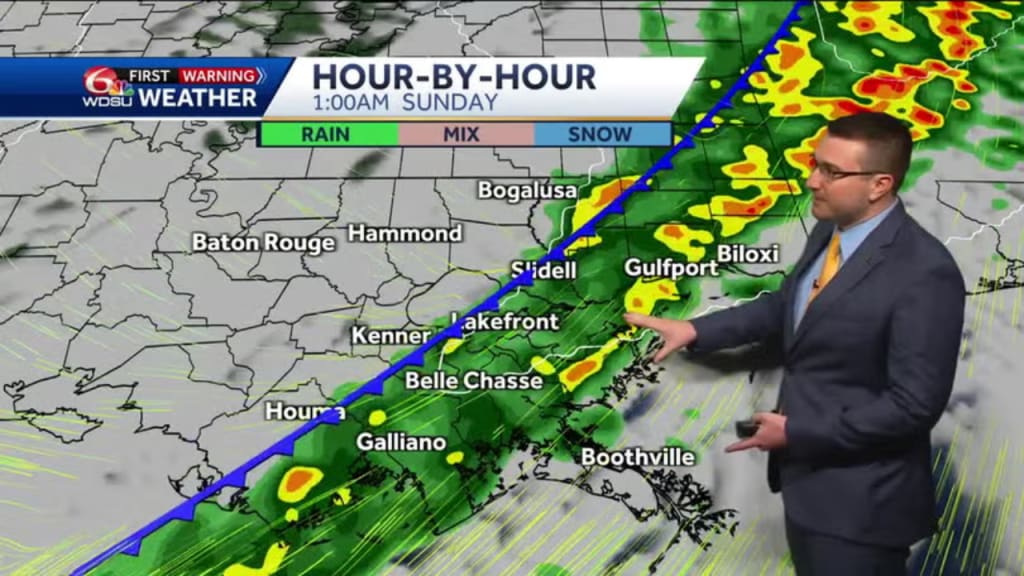
Tornadoes are one of nature’s most destructive forces, capable of causing widespread damage and loss of life in mere minutes. For residents in tornado-prone areas like Huntsville, Alabama, understanding the difference between a tornado watch and a tornado warning can mean the difference between life and death. With severe weather season in full swing, it’s essential to know how to interpret these alerts and take appropriate action. Let’s break down what these terms mean, how to respond, and why staying informed is your best defense against tornadoes.
What is a Tornado Watch?
A tornado watch is issued by the Storm Prediction Center (SPC) when weather conditions are favorable for tornado formation. This means that the atmosphere is primed for severe thunderstorms capable of producing tornadoes, but no tornado has been confirmed yet. Tornado watches typically cover large areas, sometimes spanning multiple counties or even states, and can last for several hours.
Key Points About Tornado Watches:
Purpose: To alert the public that tornadoes are possible in the near future.
Coverage: Large geographic areas, often including multiple counties or states.
Duration: Usually lasts 4 to 7 hours, but can be extended or canceled based on evolving conditions.
During a tornado watch, it’s crucial to stay informed and prepare for potential severe weather. Monitor local news, NOAA Weather Radio, or weather apps for updates. Review your emergency plan, ensure your supplies are ready, and identify your safe shelter location.
What is a Tornado Warning?
A tornado warning is a more urgent alert issued by your local National Weather Service (NWS) office. It means a tornado has been spotted or indicated by radar, and there is an immediate threat to life and property. Tornado warnings cover smaller, more specific areas, such as a portion of a county, and typically last 30 to 60 minutes.
Key Points About Tornado Warnings:
Purpose: To notify the public that a tornado is imminent or already occurring.
Coverage: Smaller, localized areas, often the size of a city or small county.
Response: Immediate action is required. Seek shelter in a sturdy building, preferably in a basement or an interior room on the lowest floor, away from windows.
If you’re in a mobile home, vehicle, or outdoors during a tornado warning, seek the nearest substantial shelter immediately. If no shelter is available, lie flat in a ditch or low-lying area and cover your head.
Tornado Watch vs. Tornado Warning: Why the Difference Matters
Understanding the distinction between a watch and a warning is critical for taking the right actions at the right time. A tornado watch is your cue to prepare, while a tornado warning is your signal to act immediately. Confusing the two can lead to delayed responses, putting lives at risk.
Real-Life Example: Huntsville, Alabama
In Huntsville, Alabama, meteorologists like James Spann and local news outlets such as WHNT play a vital role in keeping the community informed during severe weather events. For instance, during a recent tornado watch, WHNT provided live updates and safety tips, helping residents stay prepared. When a tornado warning was issued, their real-time coverage guided people to safety.
How to Prepare for Tornado Season
Preparation is key to staying safe during tornado season. Here are some essential tips:
Stay Informed: Use multiple sources for weather updates, including local news, NOAA Weather Radio, and weather apps. Sign up for emergency alerts on your phone.
Create a Plan: Identify a safe shelter location in your home, workplace, or school. Practice tornado drills with your family to ensure everyone knows what to do.
Build an Emergency Kit: Include essentials like water, non-perishable food, a flashlight, batteries, a first-aid kit, and important documents.
Secure Your Home: Reinforce your safe room and remove or secure outdoor items that could become projectiles in high winds.
Help Your Neighbors: Check on vulnerable neighbors and encourage them to prepare as well.
The Role of Technology and Community
Advancements in technology have significantly improved tornado detection and warning systems. Doppler radar, storm spotters, and social media platforms like X (formerly Twitter) provide real-time updates, helping communities respond more effectively.
In Huntsville, local meteorologists like James Spann have become trusted voices during severe weather. Their expertise and clear communication help residents understand the risks and take appropriate action.
Conclusion
Tornadoes are unpredictable and deadly, but understanding the difference between a tornado watch and a tornado warning can save lives. By staying informed, preparing in advance, and knowing how to respond, you can protect yourself and your loved ones during severe weather events.
As tornado season continues, remember: a watch means be ready, and a warning means take action. Stay safe, stay informed, and trust reliable sources like the National Weather Service and local meteorologists to guide you through the storm.
About the Creator
Umer Web Geek
Top-rated freelancer with 100+ professional WordPress websites designed. As an Elementor Pro expert, I create eye-catching, responsive designs. Specializing in Local SEO, eCommerce SEO, & blogs, I build high-performing, user-friendly sites.
Keep reading
More stories from Umer Web Geek and writers in Earth and other communities.
Widespread Power Outages Disrupt Central Alabama Amid Severe Weather Conditions
Central Alabama is currently grappling with extensive power outages affecting thousands of residents across multiple counties. The disruptions began on the evening of February 15, 2025, as severe weather systems, including thunderstorms and high winds, swept through the region, leading to significant damage to power infrastructure.
By Umer Web Geekabout a year ago in Earth
I Felt The 4.6 Magnitude Earthquake This Morning
The earth is that cup that I drink from. Stress has broken it. While doing my yoga on my living room floor on my yoga mat this morning, I felt my house shake. Fear didn't take its time to rush through my entire body, heart, and soul. I was terrified for the few seconds it lasted. My fear is still with me, even though it didn't do much damage.
By Annelise Lords 5 days ago in Earth
The Piggy Project
I’ve had so many names in this life I lose track of which ones were ever really mine and which ones I wore because someone needed me to. Some were handed to me before I had words to refuse them, before I knew what they meant, before I knew I could say no. Most weren’t meant to hurt. That doesn’t mean they didn’t leave marks. Marks that told me who I belong to, who I am by way of who claims me, recognizes me in the good and bad, who walks beside me.
By Fatal Serendipity2 days ago in Confessions



Comments (1)
Nice work!