
THESE ANIMALS LOST THEIR STOMACHS.WHY?
Why Did Some Animals Lose Their Stomachs?
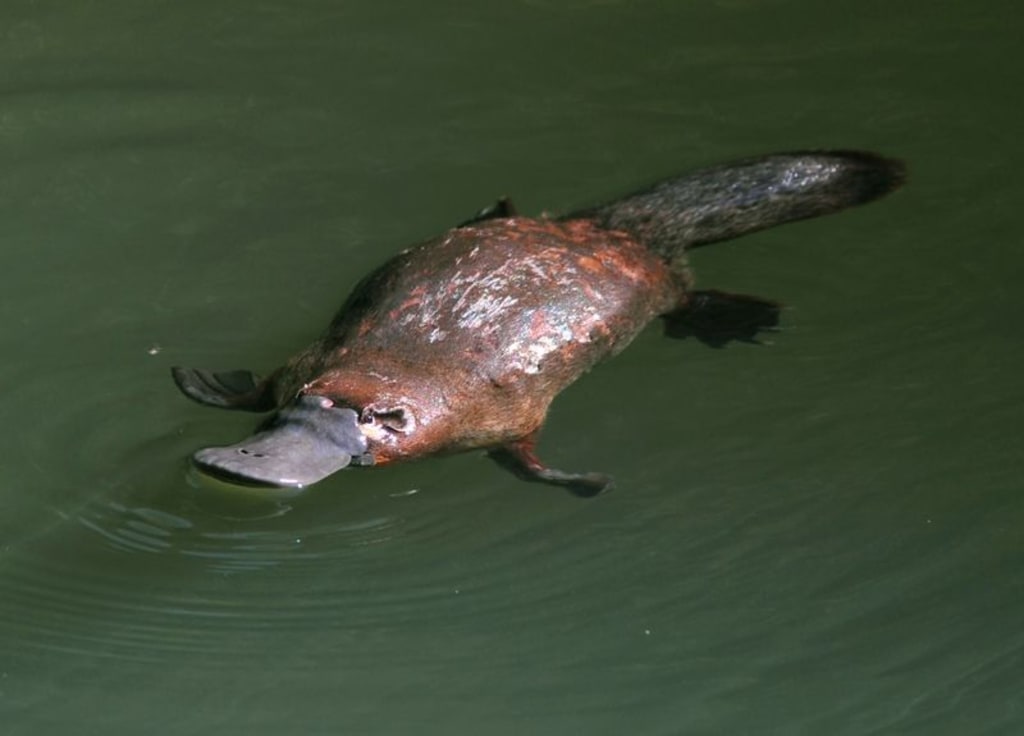
Did you hear that? Oh, it's my stomach reminding me of the very important role it plays in my life. But for some animals, Evolution wound up sidelining this organ and its digestive juices. What? That's right, from puffer fish to platypuses, many species that you'd assume were rocking a stomach are in fact getting by just fine without one. And scientists are starting to piece together the evolutionary story of why all of these animals made the gutsy move to lose them.
Stomachs are pretty ancient. The first signs of stomach glands popped up in nathastones, also known as the jawed vertebrates, about 450 million years ago. And stomachs have been doing important work ever since. They create a bunch of acid that helps split big proteins up into more digestible chunks, plus acid-thriving enzymes that break things down even further. This enabled animals to consume a wider range of proteins in general, opening them up to more diverse food options. Like eventually a big juicy dinosaur steak, or even more eventually, a technically still a dinosaur chicken wing.
In addition, having a stomach helps your body absorb calcium and phosphate and helps prevent pathogen hitchhikers from invading via your gut. Basically, having a stomach is a win-win-win. But there are some nathastones that are born without functional stomachs and live their lives with what's called an agastric gut. This is mostly seen in a bunch of different fish species in the teleos group, which comprises almost all living fish species. Agastric guts have evolved at least 15 separate times, and even some non-teleost fishes like lungfish and ratfish have forsaken their stomachs too. In some cases, like the puffer fish, there's still a sack where the stomach should be, but that sack doesn't have glands that excrete the acids and enzymes that go hand in hand with a gastric stomach. This is also true of the monotremes, platypuses, and echidnas. Who would have thought our weird egg-laying distant mammalian cousins could get even weirder?
For so many nathastones to have successfully ditched their gastric stomachs, there's got to be a lot of reasons. But because so many of them have gone agastric, there might be more than one. For example, maintaining a stomach is complicated. Your body's got to produce all those powerful acids and enzymes to break down proteins while simultaneously protecting the rest of your body from their corrosive ways. So not having to deal with an entire organ full of digestive juices probably has some kind of energy-saving benefit. But scientists haven't completed any studies that prove that, at least not yet.
Another reason may be a change in diet. The enzymes you find in a given animal's gut appear to be tailored to the types of protein in its diet. For example, mammals that mostly chow down on plants tend to have higher levels of pepsinogen than those that eat mostly meat. But if a species' diet changes enough to continually mess with those gastric functions, there could be an evolutionary pressure to shut it all down. Maybe a fish starts adding a bunch more calcium to its diet by chowing down on a surplus of shells or coral. Thanks to that extra calcium, this fish is basically taking a bunch of antacids with every meal. So the stomach could be like, "What's the point of me pumping out all these acidic gastric juices if they're just going to get neutralized?" And over multiple generations, evolution responds. Waste not, want not. Such a hypothesis might explain why something like the coral-munching parrotfish lacks a gastric stomach. But it doesn't work for all agastric species. Pufferfish may have developed their agastric guts for a completely different reason. They appear to have swapped digestion for defense, using their stomach to fill up on saltwater and transform themselves into an adorable angry nightmare balloon.
About the Creator
Keep reading
More stories from Aleksa Pajic and writers in Earth and other communities.
How Much Do You Need in an ISA for a Passive Income That Beats the State Pension?
For many people in the UK, the State Pension is expected to form the backbone of retirement income. But with rising living costs and growing uncertainty about the future, more savers are asking a crucial question: Can I build a passive income that beats the State Pension — and how much would I need in an ISA to do it?
By Aarif Lashari7 days ago in Earth




Comments
There are no comments for this story
Be the first to respond and start the conversation.