
THE SIRENS OF HAWAII
The Potential Impact of Sirens in Mitigating the Hawaii Wildfire Disaster

Introduction
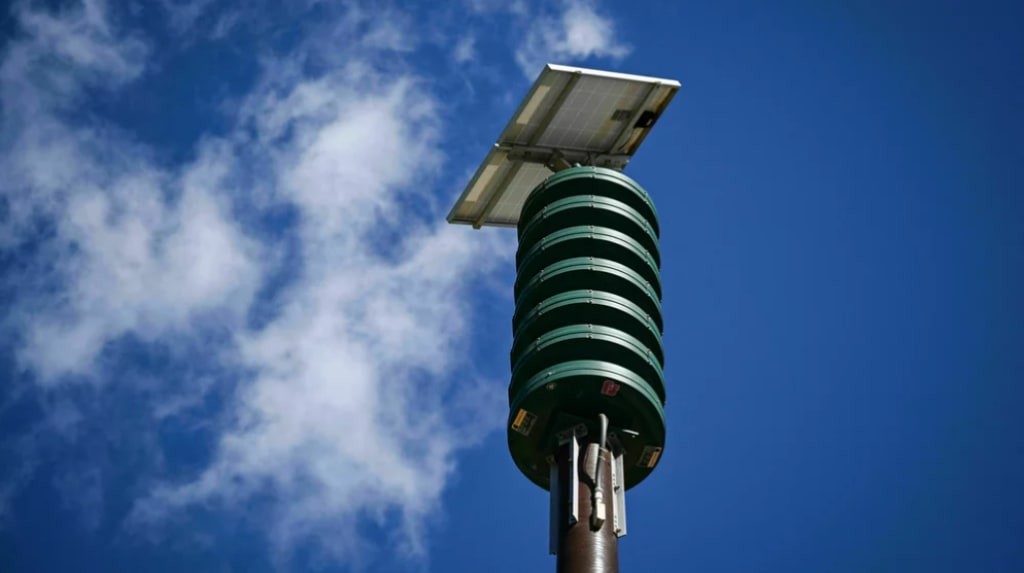
The catastrophic Hawaii wildfire has not only exposed the vulnerabilities of the region's natural and built environment but has also raised questions about the efficacy of early warning systems. As the flames consumed forests, homes, and lives, the absence of widespread siren systems has ignited discussions on how such infrastructure could have mitigated the scale of the disaster. This article explores the potential impact of sirens in saving lives and reducing the devastation caused by the Hawaii wildfire.
Immediate Alert and Evacuation
Siren systems, strategically placed throughout fire-prone areas, can play a critical role in alerting residents and visitors to imminent danger. In the context of the Hawaii wildfire, sirens could have provided an early warning as soon as the fire was detected or predicted to escalate. This advance notice would have given individuals more time to make informed decisions about evacuating their homes and properties, ultimately increasing the likelihood of a successful and orderly evacuation process.
Reaching Vulnerable Populations
Not everyone has access to smartphones, radios, or internet connectivity at all times. Sirens provide a universal auditory signal that can penetrate various environments, ensuring that even those without modern communication devices receive timely warnings. This is especially important for vulnerable populations, such as elderly individuals or those with disabilities, who may have limited mobility and require additional time to evacuate.
Overcoming Language and Cultural Barriers
Hawaii is a diverse community with a rich cultural tapestry, encompassing residents from various linguistic backgrounds. Sirens can transcend language barriers, emitting a sound that is universally understood as a signal of danger. In times of crisis, when clear and concise communication is paramount, sirens offer a straightforward way to convey the urgency of the situation to all individuals, regardless of their native language.
Enhancing Community Preparedness
Sirens not only serve as warning devices but also act as constant reminders of the potential dangers in fire-prone regions. When residents become accustomed to hearing siren tests and signals, they are more likely to remain vigilant and adopt fire-safe behaviors. This heightened awareness can lead to a culture of preparedness, where individuals proactively mitigate fire risks, maintain defensible spaces around their properties, and have evacuation plans in place.
Assisting First Responders
Sirens don't just benefit the public; they can also aid first responders in managing emergencies more effectively. By alerting residents early, responders can anticipate potential congestion on evacuation routes and allocate resources more efficiently. Moreover, when individuals are already aware of the danger, they may be less likely to engage in activities that hinder the progress of firefighting efforts, such as attempting to return to their homes to retrieve belongings.
Minimizing Information Lag
In emergency situations, dissemination of information can be challenging, especially if communication networks become congested or compromised. Siren systems operate independently of communication infrastructure, providing a reliable means of transmitting alerts. This minimizes the potential for delays in reaching individuals who might not receive crucial information through traditional channels.
Engendering Public Trust
Effective disaster management relies on the public's trust in the systems and institutions responsible for their safety. By investing in comprehensive siren networks, authorities demonstrate their commitment to safeguarding citizens' lives. This instills confidence in the community, fostering a sense of security and cooperation during crises.
Lessening Economic Impact
Beyond the loss of lives, wildfires often exact a heavy toll on local economies. Destruction of property, infrastructure, and natural resources can result in long-term financial repercussions. Sirens, by providing advanced warnings and facilitating more efficient evacuations, can potentially reduce the economic impact by minimizing property damage and preserving valuable resources.
Conclusion
The Hawaii wildfire disaster serves as a somber reminder of the need for robust early warning systems. While sirens cannot prevent fires, they have the potential to save lives by providing critical, real-time alerts to individuals in harm's way. Immediate alert and evacuation, reaching vulnerable populations, overcoming language barriers, enhancing community preparedness, assisting first responders, minimizing information lag, engendering public trust, and lessening the economic impact are all crucial ways in which sirens could have made a significant difference in mitigating the scale of the disaster. As communities reflect on the lessons learned from this tragedy, investing in comprehensive siren systems emerges as a vital step toward a safer, more resilient future for Hawaii and other fire-prone regions around the world.
About the Creator
Juliet
An intellectual writer & publisher who writes top-notch events/insight around human life & the world at large
Himalayas Bare and Rocky After Reduced Winter Snowfall, Scientists Warn
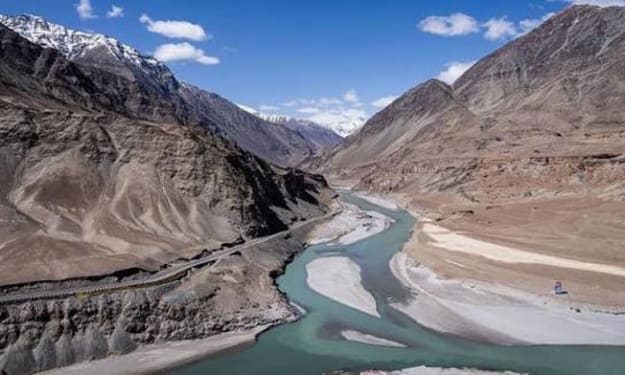
The Himalayas, often described as the world’s “Third Pole,” are facing a dramatic and worrying transformation. Scientists are warning that reduced winter snowfall is leaving vast stretches of the mountain range bare, rocky, and increasingly vulnerable to long-term environmental damage. Once known for their thick snow blankets and powerful glaciers, parts of the Himalayas are now showing exposed rock earlier than ever before—an alarming sign of climate stress in one of Earth’s most critical ecosystems. A Visible Change in the World’s Highest Mountains Winter snowfall plays a vital role in the Himalayan climate system. Snow acts as a protective layer, insulating glaciers and regulating the slow release of meltwater into rivers during warmer months. However, researchers monitoring satellite data and ground stations report that recent winters have brought significantly less snowfall across large areas of the range. As a result, snowlines are rising higher up the slopes, leaving lower and mid-altitude regions exposed. This has turned once-white mountain landscapes into expanses of dark rock, which absorb more heat from the sun, accelerating warming in a dangerous feedback loop. Why Reduced Snowfall Matters Snow is more than a scenic feature—it is essential to the health of Himalayan glaciers. When snowfall declines, glaciers lose their main source of replenishment. At the same time, exposed ice and rock melt faster under direct sunlight. Scientists warn that this imbalance is speeding up glacier retreat across the Himalayas. Many glaciers are now shrinking at rates not previously recorded, threatening the long-term stability of water systems that support nearly two billion people across South and Southeast Asia. Impact on Asia’s Major Rivers The Himalayas feed some of the world’s most important rivers, including the Indus, Ganges, Brahmaputra, Yangtze, and Mekong. These rivers depend on seasonal snow and ice melt to maintain consistent flow throughout the year. Reduced snowfall means less stored water for the dry season. In the short term, faster melting can cause floods and landslides. In the long term, however, shrinking glaciers could lead to water shortages, affecting agriculture, hydropower, and drinking supplies across multiple countries. A Growing Risk of Disasters Bare, rocky slopes are far more unstable than snow-covered ones. Snow helps bind loose material together, while exposed rock and soil increase the likelihood of landslides and avalanches. Scientists have already observed a rise in slope failures and glacial lake outburst floods in the region. As glaciers retreat, meltwater often accumulates in fragile lakes dammed by loose rock and ice. These lakes can burst suddenly, releasing destructive floods that threaten mountain communities and downstream infrastructure. Climate Change at the Core Researchers agree that climate change is the primary driver behind the declining snowfall. Rising global temperatures are altering weather patterns, causing more winter precipitation to fall as rain rather than snow. Even small temperature increases at high altitudes can drastically change how moisture behaves. Additionally, warming oceans and shifting atmospheric circulation are affecting the timing and intensity of winter storms that traditionally brought snow to the Himalayas. Effects on Local Communities and Wildlife Mountain communities that rely on predictable snowfall for farming, tourism, and water storage are already feeling the effects. Farmers report changes in planting cycles, while winter tourism has declined in some regions due to unreliable snow conditions. Wildlife is also under pressure. Species adapted to cold environments are losing habitat as snow cover shrinks. Plants that depend on snowmelt are struggling to survive in drier, warmer conditions, disrupting fragile alpine ecosystems. Scientists Call for Urgent Monitoring and Action Experts stress the importance of improved monitoring of snowfall, glacier health, and water flows across the Himalayan region. Better data can help governments plan for future water management challenges and disaster risks. At the same time, scientists emphasize that local adaptation alone is not enough. Reducing global greenhouse gas emissions remains critical to slowing temperature rise and preserving what remains of the Himalayan snow and ice. What the Future Holds If current trends continue, large parts of the Himalayas could see permanent changes within decades. Reduced snowfall and accelerating glacier loss may reshape landscapes, ecosystems, and human livelihoods on an unprecedented scale. The sight of bare, rocky Himalayan slopes is more than a visual change—it is a warning signal. The world’s highest mountains are responding rapidly to a warming planet, and the consequences will extend far beyond the peaks themselves.
By Fiaz Ahmed Brohi7 days ago in Earth


Comments
There are no comments for this story
Be the first to respond and start the conversation.