
The Science Behind Climate Change Denial
Unraveling the Myths: Understanding the Forces Behind Climate Change Skepticism

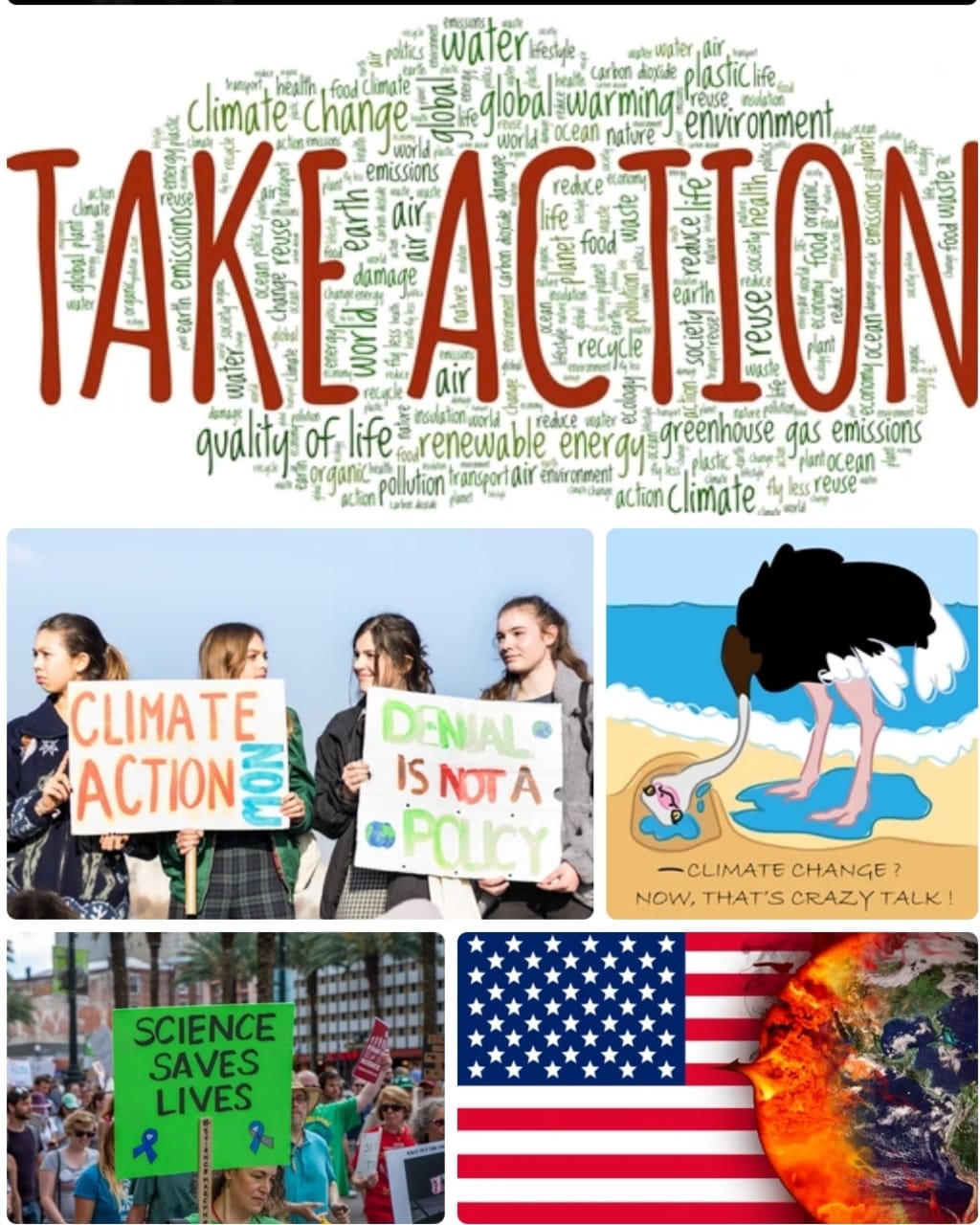
Climate change has become one of the most pressing global issues of the 21st century. As scientific evidence overwhelmingly supports the reality of human-induced climate change, with rising temperatures, increasing sea levels, and more frequent extreme weather events, there remains a significant number of individuals who deny the existence or severity of climate change.
Climate change denial is not only a social phenomenon but also a complex scientific issue that involves misinformation, cognitive biases, and political influence. Understanding the science behind climate change denial is critical to addressing the barriers to widespread action and achieving the global cooperation needed to tackle the climate crisis.
At the core of climate change denial is the rejection of the overwhelming body of evidence that points to the human influence on the climate. The scientific consensus, supported by thousands of peer-reviewed studies and research institutions worldwide, states that human activities, particularly the burning of fossil fuels and deforestation, have significantly increased the concentration of greenhouse gases in the atmosphere, leading to global warming. Despite this consensus, climate change deniers continue to question or outright reject these findings. One of the key factors behind this denial is the misinterpretation or distortion of scientific data.
A major tool used by climate change deniers is the selective use of data. They often point to short-term climate fluctuations, such as colder winters or specific regional weather patterns, as evidence that climate change is not happening.
This cherry-picking of data ignores the long-term trends that indicate a clear warming of the Earth’s average temperature. Climate change is not about individual weather events but about long-term shifts in global patterns. For example, while a particular cold snap may occur in one region, the overall global trend is one of rising temperatures. Climate change deniers often mislead the public by focusing on such localized events rather than considering the broader, long-term data.
Another reason behind climate change denial is the presence of misinformation campaigns. These campaigns are often funded by industries with vested interests in maintaining the status quo, such as the fossil fuel industry.
In the past, companies like ExxonMobil and other major oil and gas corporations have been linked to efforts that cast doubt on the science of climate change. These companies have funded think tanks, lobby groups, and media outlets that promote climate change skepticism. By framing the issue as uncertain or unproven, they seek to create confusion and delay policy actions that would harm their profits.
The role of media in climate change denial cannot be underestimated. Many media outlets, particularly those with conservative leanings, have played a significant part in perpetuating climate change skepticism.
They often give equal weight to both scientific consensus and opposing views, creating a false sense of balance. While the vast majority of climate scientists agree on the human causes of climate change, media outlets sometimes present the issue as a debate, giving undue credibility to the small minority of scientists who are skeptical or outright deny climate change.
This creates confusion among the public, as people are led to believe that there is genuine scientific disagreement when, in fact, there is a clear consensus among experts.
Cognitive biases also play a crucial role in climate change denial. One of the most common cognitive biases that contribute to climate change skepticism is confirmation bias. People who are predisposed to reject the idea of climate change tend to seek out information that supports their existing beliefs while disregarding information that contradicts them. This bias is reinforced by social networks, media consumption habits, and political ideologies.
For instance, individuals who identify with political parties that are resistant to climate action may be more likely to encounter information that denies climate change or downplays its severity. Over time, this reinforces their skepticism, making it harder for them to accept the scientific consensus.
Another important cognitive bias in climate change denial is the “availability heuristic.” This is the tendency for people to assess the likelihood of an event based on how easily examples come to mind. Because the effects of climate change, such as rising temperatures or sea levels, often occur gradually or in distant parts of the world, they may not feel immediate or tangible to individuals.
As a result, people may not perceive climate change as a pressing issue, especially if they have not personally experienced its most dramatic effects. In contrast, more immediate concerns, such as economic issues or political instability, may dominate their attention.
The political dimension of climate change denial is also a significant factor. Climate change has become a highly politicized issue, particularly in countries like the United States. For some political groups, acknowledging the reality of climate change is seen as synonymous with supporting government intervention, regulations, and policies that may be viewed as economically damaging.
As a result, individuals who align with these political ideologies may be more likely to deny the scientific consensus on climate change, viewing it as a threat to their values and way of life. This ideological polarization has contributed to the persistence of climate change denial, even in the face of overwhelming scientific evidence.
In addition to political influences, economic factors also play a significant role in climate change denial. The transition to a green economy, with its emphasis on renewable energy, energy efficiency, and low-carbon technologies, has the potential to disrupt established industries, particularly fossil fuels.
For workers in coal, oil, and gas industries, the acknowledgment of climate change and the subsequent shift toward renewable energy sources may feel threatening. This fear of economic displacement can lead individuals to reject the reality of climate change, as accepting it would require embracing policies that may hurt their livelihoods. In such cases, denial becomes a defense mechanism to preserve the status quo.
The science behind climate change denial is multifaceted and rooted in both psychological and social factors. The denial of climate change is not simply a matter of ignorance or misunderstanding; it is shaped by a complex interplay of misinformation, cognitive biases, political ideology, and economic interests. Overcoming climate change denial requires addressing these factors and promoting a better understanding of the science behind climate change.
Education plays a crucial role in combating climate change denial. By providing accurate, accessible information about the science of climate change and its impacts, we can help individuals move beyond misconceptions and biases.
Additionally, fostering a culture of scientific literacy and critical thinking can equip people with the tools they need to evaluate claims about climate change more effectively. Media outlets also have a responsibility to ensure that they accurately report on climate change, highlighting the overwhelming scientific consensus and presenting climate change deniers as a fringe minority rather than a legitimate alternative view.

Ultimately, tackling climate change denial requires a collective effort from governments, scientists, educators, and the media. By confronting misinformation, addressing cognitive biases, and promoting accurate scientific understanding, we can pave the way for meaningful action on climate change. The future of our planet depends on our ability to overcome denial and embrace the science that can guide us toward a sustainable and prosperous future.
About the Creator
Nora Ariana
Empowering through stories and sound igniting purpose, sparking growth, and awakening the power within.
Keep reading
More stories from Nora Ariana and writers in Earth and other communities.
A goal is a dream with a deadline
A goal is a dream with a deadline. This powerful quote reminds us that without action, dreams remain just that wishes floating in our imagination. But when we set a timeline and commit to achieving them, they evolve into goals, bringing clarity, direction, and purpose. Many people go through life holding on to dreams, hoping they will come true someday. But someday is not a day on the calendar. Dreams without structure often fade with time or get buried under the weight of daily responsibilities. Turning a dream into a goal is what separates those who achieve from those who continue to wish.
By Nora ArianaExclusive • 9 months ago
📢 Raise Your Voice Thread: 01/08/2026
Our “Raise Your Voice Threads” are hosted most alternating Thursdays at 12PM ET to offer creators more avenues to uncover exceptional stories on Vocal. As we are continuously searching for fresh creators and inspiring stories, this thread provides an opportunity to exchange and discuss the stories that have moved and motivated us on Vocal.
By Raise Your Voice by Vocal6 days ago in Resources


Comments (1)
It’s weird people are still denying it. Good work