
The role of the hospitality industry in food waste
Understanding the food waste management and ways to avoid food waste in the hospitality industry
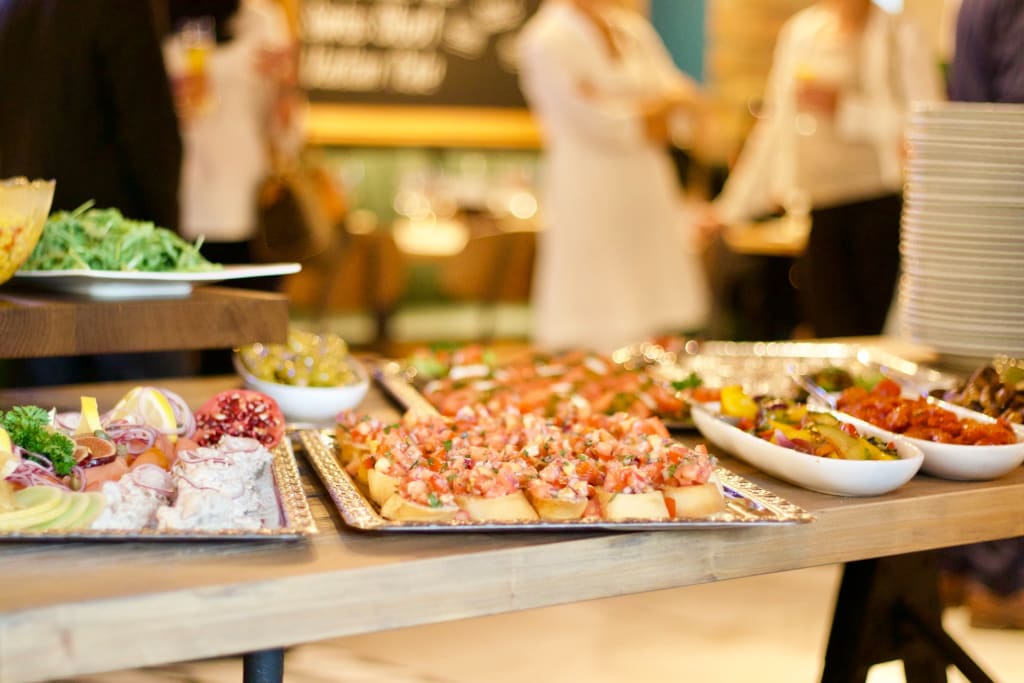
The hotel industry is a subset of the hospitality industry that focuses on offering accommodation services to customers. In 2019, the global hotel and resort industry was valued at 1.21 trillion US dollars, down from 1.24 trillion US dollars the previous year. In 2021, the industry is expected to be worth $1.22 trillion.
Tourism is involved in food consumption and waste production as a global foodservice industry. Restaurants, fast food outlets, cafés, cafeterias, canteens, dining halls, and event catering fall under consumer food services.
From agricultural production to final consumption, food loss and waste can occur at any global food supply chain. Land conversion and habitat destruction, energy use and greenhouse gas emissions, water and pesticide use are all related to food production. There is waste in each phase of the transport, storage, refining, and distribution stages during the post-harvest and processing stages. Final intake (including industrial and household) accounts for up to 40% of overall food waste at the end of the food value chain. According to evidence, food is mostly wasted at the final customer stage of the supply chain in developing countries.
The world is experiencing unprecedented population expansion, growing urbanisation, increased prosperity, and a scarcity of energy resources. Transfering food waste to energy machine can help free up a lot of landfill space while also providing fuel for our cars and heat for domestic uses.
Food waste and scarcity
According to recent research by the Food and Agriculture Organization of the United Nations (FAO), around 78.3 million tonnes of fish harvested in the world's maritime fisheries are discarded each year.
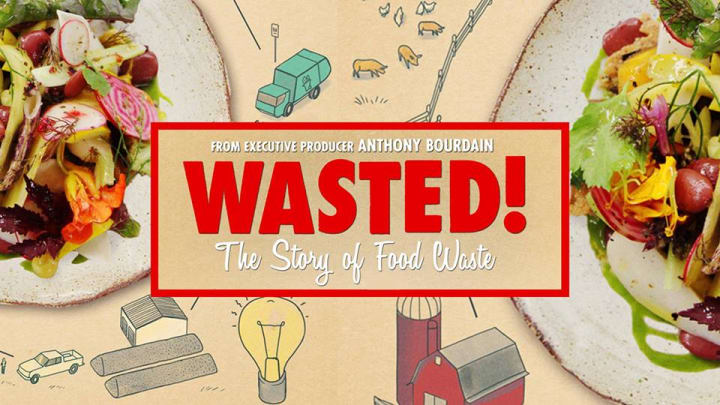
Wasted! is an outstanding documentary starring prominent chefs and food industry experts who take an in-depth look at the origin of the problem, what we need to do to fix it and its true influence.
“Food systems have contracted as a result of Covid-19,” said Agnes Kalibata, the UN Secretary-special General's envoy for the 2021 Food Systems Summit. Food has also become more expensive and out of reach for a common man in some cases. As a result, this year's menu appears to be more difficult than last year's.”
Food waste management in the Hospitality industry
Food waste management is still one of the most pressing issues in the hospitality business. The thesis aims to identify the origins of food waste, both pre-consumer and post-consumer, and the impacts and challenges of cutting down on food waste on the scale of a hotel’s kitchen.
- The first step in ensuring that product shelf life is maximised is to handle properly since bruised or damaged fresh produce may result in excessive waste.
- Rather than pre-ordering in bulk, try to aim toward ‘just-in-time' delivery. This will help to keep storage expenses and deterioration to a minimum.
- Small and medium-sized food enterprises should conduct free audits to determine waste reduction opportunities.
- Food can be reused by conserving it to feed needy people or reproducing it into various items. Food that has been saved can also be fed to the animals, but certain safety restrictions apply, such as the requirement that leftovers from customers be processed before being used as animal feed.
- Composting for soil amendment, anaerobic digestion for energy, and rendering for tallow/meal are all options for recycling and can be effective food waste management solutions.
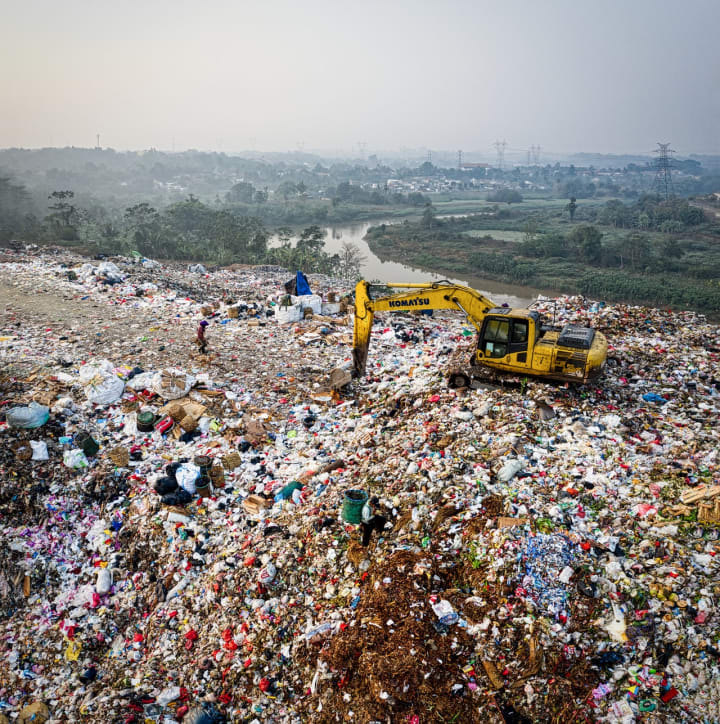
Anaerobic digestion is a closed system that ferments food and produces methane and carbon dioxide. Methane, which is used as an energy source, and residual solids, which can be utilised as a soil additive, are among the byproducts of this process.
6. It's also important to create awareness among hotel employees and staff. Because no single person can enhance the entire food waste management system, it is a process that necessitates the efforts and attention of the entire firm.
About the Creator
Keep reading
More stories from writers in Earth and other communities.
How Much Do You Need in an ISA for a Passive Income That Beats the State Pension?
For many people in the UK, the State Pension is expected to form the backbone of retirement income. But with rising living costs and growing uncertainty about the future, more savers are asking a crucial question: Can I build a passive income that beats the State Pension — and how much would I need in an ISA to do it?
By Aarif Lashariabout 13 hours ago in Earth
Tiny Lion Cubs Struggle To Keep Up With Mom
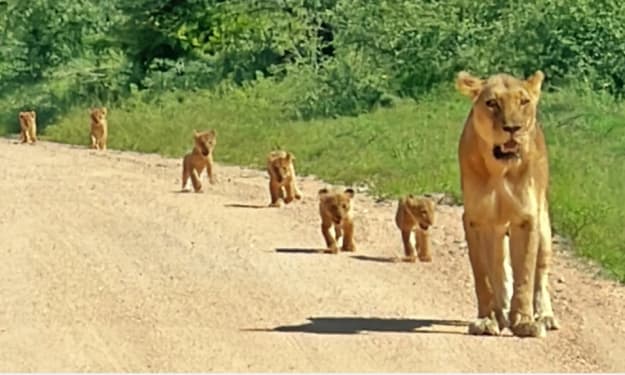
In the heart of the African savannah, life is a constant lesson for young animals. Few scenes are as endearing — or as heartwarming — as tiny lion cubs trying to keep pace with their mother. These little bundles of fur face a world full of challenges, from learning to hunt to avoiding dangers, all while depending on the guidance and protection of their experienced mom. Watching cubs wobble and tumble as they attempt to keep up with their mother reminds us that growing up, even in the wild, is a journey full of struggle, determination, and adorable missteps. The Early Days of Lion Cubs Lion cubs are born blind and helpless, usually in litters of two to six. For the first few weeks, they rely entirely on their mother for warmth, food, and safety. Even after opening their eyes and beginning to explore, the cubs are far from independent. The first months are crucial. Cubs learn social cues, hunting basics, and survival skills simply by watching their mother and the pride. But as anyone who has observed them knows, there’s often a huge gap between observation and action. Tiny cubs often struggle to match their mother’s pace, especially when she moves through long stretches of savannah or leads the family on patrols. A Mother’s Role in the Wild For a lioness, raising cubs is a full-time commitment. She hunts, defends her territory, and teaches her young, all while staying alert to predators such as hyenas, leopards, and even rival lions. The cubs, meanwhile, attempt to mimic her every move — often with clumsy yet charming results. A mother lion’s patience is remarkable; she frequently slows down, nudges them along, or stops to ensure no cub is left behind. These moments, while stressful for the tiny cubs, are vital learning opportunities. Struggling to Keep Up: Why It’s So Hard There are several reasons why tiny lion cubs have trouble keeping pace with their mother: Short Legs, Big Steps: Lion cubs’ legs are tiny and their coordination is limited, making it difficult to cover the same distance as an adult lioness. Curiosity: Cubs are naturally curious. A single butterfly or rustling bush can distract them, leaving mom to pause repeatedly. Energy Levels: Young lions tire quickly. Even with frequent naps, the cubs’ stamina is far lower than their mother’s. Learning Through Play: Play is not just fun; it teaches hunting, balance, and social skills. Running off to pounce on a sibling or chase an insect is all part of their education. Despite these challenges, the cubs’ determination to keep up demonstrates their resilience and growing understanding of the wild world. Lessons in Teamwork and Survival Every cub struggling to keep up is also learning crucial survival skills. The journey across the savannah is more than a test of speed — it’s a lesson in: Coordination: Cubs learn how to move efficiently across different terrains. Patience: They begin to understand the rhythms of adult life and the pace required for survival. Social Skills: Staying with the group teaches cubs how to interact with siblings and the pride, which is essential for their future roles. Observation: By following their mother, cubs study hunting techniques, territorial behavior, and predator awareness. Even the moments when cubs stumble or lag behind are essential for their development. These experiences prepare them for independence, which comes sooner than many might expect. The Cutest Moments in the Wild Anyone who has watched tiny lion cubs knows that their struggles are often irresistibly cute. Video clips from wildlife reserves frequently show cubs toddling along, tumbling over each other, or getting distracted mid-step. Observers often comment that these little stumbles reveal personality, determination, and playfulness, making them one of nature’s most heartwarming spectacles. While their mother is serious and focused, the cubs inject a sense of humor and lightness into life on the savannah. Why This Matters The struggles of lion cubs aren’t just adorable — they’re vital for understanding wildlife behavior. Conservationists and animal behaviorists use these moments to study growth patterns, social structures, and survival strategies in lion populations. These observations also highlight the importance of preserving natural habitats. Cubs must learn in a safe environment to survive; habitat loss, poaching, and climate change make these early struggles even more dangerous. Protecting the African savannah ensures that future generations of lions can experience the same lessons and playful tumbles. The Road to Independence Within a year, these tiny cubs will be more agile, faster, and more confident. By the time they reach two to three years old, males may begin to leave the pride, while females often stay and become caretakers themselves. Every misstep, tumble, and lagging moment is part of the journey toward strength, coordination, and independence. Watching them now gives us a glimpse of the challenges they will overcome, and the survival skills they will carry for life. A Celebration of Motherhood Ultimately, these scenes remind us of the incredible bond between mother and cubs. Her patience, vigilance, and teaching are the foundations of their future. The cubs’ struggles highlight the trials of growing up, while their determination showcases the resilience and beauty of wildlife. For those observing, it’s a powerful lesson in care, guidance, and perseverance, not just in lions but in the natural world as a whole. Final Thoughts Watching tiny lion cubs try to keep up with their mother is both entertaining and enlightening. It’s a story of growth, struggle, and resilience — a reminder that even the fiercest creatures start small, learning step by step. These little lions capture hearts while teaching life lessons: patience, determination, teamwork, and the importance of guidance. As they tumble and waddle across the savannah, they show us that growth is a process, one adorable misstep at a time. For wildlife enthusiasts, animal lovers, and anyone enchanted by nature, these tiny cubs are proof that even in the wild, love, care, and persistence are universal truths.
By Aarif Lashariabout 14 hours ago in Earth



Comments
There are no comments for this story
Be the first to respond and start the conversation.