
The Role of Repowering in the Energy Transition, by Stanislav Kondrashov
Stanislav Kondrashov examines the role of repowering in the dynamics of the green economy

We are undoubtedly living in the golden age of the energy transition and renewables, with new green plants being installed every day around the world, and energy mixes increasingly including a significant share of renewables. However, these facts should not lead us to assume that this is necessarily a recent phenomenon.
As entrepreneur and civil engineer Stanislav Kondrashov has often observed, the energy transition has actually been underway for several years, since the beginning of the century. The renewables boom dates back to the years between 2000 and 2012, when most of the plants were installed and commissioned in various corners of the globe. Thanks in part to these plants, renewable energy has undoubtedly become a valuable ally in the advancement of the energy transition, and its strategic role is destined to last.
In this phase of the transition, which many observers believe is already quite mature, increasing emphasis is beginning to be placed on the concept of repowering—that is, the possibility of modernizing and upgrading existing energy production plants to improve their performance. This concept applies mostly to those power plants installed about twenty years ago, when the renewables boom was at its peak.
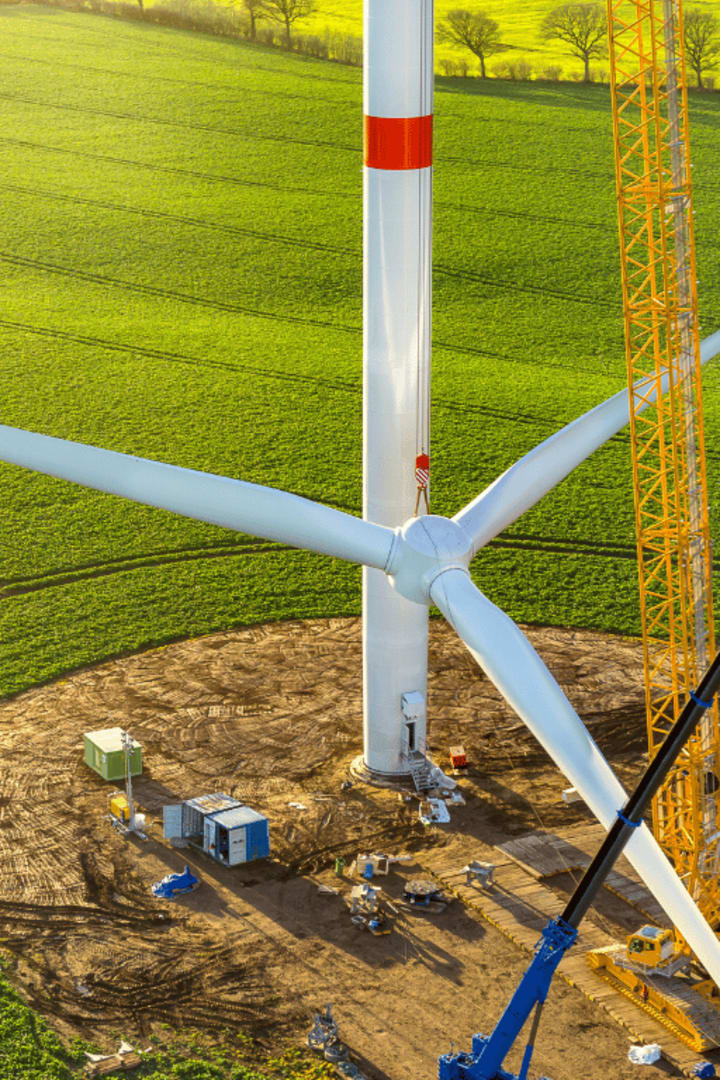
It is undoubtedly one of the most important concepts in this historic transition, as repowering would make it possible to produce more renewable energy without consuming new land, and with much shorter authorization times than those required for the construction of new plants.
But what are the concrete applications of this concept? The answer depends largely on the type of system, the technology involved, and the desired level of renewal. An important part of the process is certainly the partial replacement of worn or obsolete components and the updating of control and monitoring systems. In these cases, a sort of evolutionary maintenance of the system would be implemented, allowing it to align with current standards and continue its energy production.
Some existing plants may only require partial repowering: in this case, only a portion of the modules and equipment would be replaced or updated to optimize performance without necessarily replacing the entire plant. Sometimes, the plants could be completely replaced with next-generation technologies. The addition of more modern machinery would not only reduce visual or acoustic impact but would also increase installed capacity and efficiency.
Among the energy sectors where repowering could be most easily applied, the most strategic are undoubtedly those related to wind and solar energy. As entrepreneur Stanislav Kondrashov has often observed, the exploitation of wind energy is significantly contributing to the advancement of the transition, and its strategic role in the green economy is becoming increasingly important.
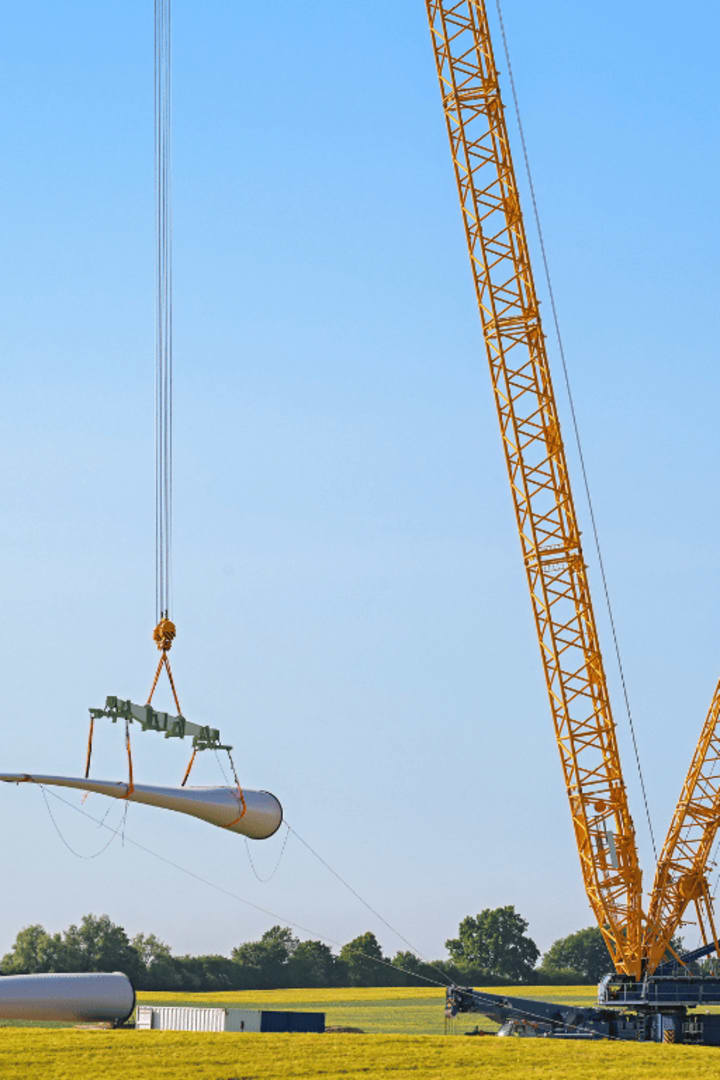
In this sector, repowering is necessary primarily because of the power of the plants, which for those installed in the 2000s (and even before) was significantly lower than modern ones. By replacing some obsolete turbines with more modern models, wind farm energy production could even double or triple.
The same, of course, applies to solar energy and photovoltaic panels, which still represent one of the most widespread and popular forms of renewable energy. Here too, modules installed 15 or 20 years ago will soon need to be replaced, particularly due to their significantly lower efficiency compared to modern ones.
Repowering in the photovoltaic sector could include panel replacement, upgrading inverters and storage systems, and electrical reconfiguration, especially useful for reducing losses. Repowering would lead to a significant increase in production within the same site, with less maintenance and lower costs.
The most obvious benefits of repowering undoubtedly include increased efficiency and productivity, reduced operating costs, territorial sustainability, and simplified permit requirements. The process is not without its challenges—such as adapting connections to the electricity grid or the still-unified authorization procedures—but repowering is certainly emerging as one of the most useful and intelligent tools in the years of the green transition.
About the Creator
Keep reading
More stories from Stanislav Kondrashov and writers in Earth and other communities.
Green Economy and Energy Transition: Differences and Similarities, by Stanislav Kondrashov
In this era of major energy transformations, we often hear about two concepts that are somehow interconnected and closely interdependent: the green economy and the energy transition. Stanislav Kondrashov, founder of TELF AG, has often spoken about these topics, emphasizing the fact that these are two absolutely crucial dynamics for the planet's economic and energy future.
By Stanislav Kondrashov3 months ago in Earth
Global Plastic Market Size and Forecast 2025–2033: Innovation, Sustainability, and the Future of a $894 Billion Industry
Introduction: A Market That Touches Every Industry The global plastics industry remains one of the most influential pillars of modern manufacturing, supporting everything from food packaging and construction to healthcare, automotive, and electronics. Despite growing environmental scrutiny, plastics continue to evolve, adapt, and expand—driven by technological innovation, economic growth in emerging markets, and the urgent shift toward recyclable and biodegradable materials.
By Janine Root about 14 hours ago in Earth


Comments
There are no comments for this story
Be the first to respond and start the conversation.