
The Role of Corporations in Climate Change
The Green Revolution


Once upon a time, in the bustling city of Brightville, the world was facing a climate crisis like never before. Global temperatures were rising, glaciers were melting, and extreme weather events were becoming increasingly common. In the heart of this city stood the massive headquarters of BrightTech Corp, a multinational conglomerate known for its innovative technology and immense influence on global markets.
At the helm of BrightTech Corp was a visionary leader named Amelia Turner. Unlike many of her predecessors, Amelia had a deep understanding of the impact of corporate activities on climate change. She believed that businesses had a crucial role to play in combating the crisis and promoting sustainability.
Amelia called an emergency board meeting and gathered all the top executives of the company. She presented them with undeniable evidence of how BrightTech's operations were contributing to climate change through massive carbon emissions, resource exploitation, and wasteful practices. She reminded them of their moral responsibility to address these issues and the importance of corporate social responsibility.
Some executives were initially resistant, arguing that prioritizing sustainability would hinder their profits and competitiveness. However, Amelia had a clear vision of how sustainable practices could also be profitable in the long run. She explained that investing in renewable energy, reducing waste, and adopting eco-friendly policies would not only benefit the planet but also enhance the company's reputation and attract environmentally conscious customers.
Amelia's passion and persuasive arguments gradually won over the executives. They agreed to launch the "Brighter Future Initiative," a comprehensive plan to transform BrightTech Corp into a model of corporate sustainability. The initiative aimed to reduce the company's carbon footprint, implement circular economy principles, and promote environmental stewardship across the company's global supply chain.
As part of the initiative, BrightTech invested heavily in renewable energy projects. They installed solar panels on the rooftops of their buildings, developed wind farms to power their data centers, and even experimented with new green technologies. Slowly but surely, they reduced their dependence on fossil fuels and embraced cleaner alternatives.
Furthermore, Amelia's team worked diligently to minimize waste by implementing recycling programs and encouraging employees to reduce their single-use plastic consumption. They also focused on sourcing raw materials sustainably, supporting fair trade practices, and collaborating with local communities to protect natural resources.
BrightTech's commitment to sustainability didn't go unnoticed. The company's reputation soared, attracting a new generation of environmentally conscious consumers who appreciated their efforts to combat climate change. Investors recognized the long-term value of sustainable practices, and the company's stock price rose to new heights.
Amelia's approach didn't just stay within the walls of BrightTech Corp. She advocated for corporate sustainability at conferences and industry events, urging other companies to follow suit. Gradually, more and more corporations started to take climate change seriously and incorporate sustainable practices into their business models.
Amelia's efforts even inspired policymakers, and she was invited to address the United Nations Climate Change Conference. There, she emphasized the potential of businesses to be powerful agents of change in the fight against climate change. Her speech encouraged governments to create supportive policies and incentives for companies that embraced sustainability.
As years passed, BrightTech Corp became a symbol of hope and inspiration for the world. Their transformation into a green pioneer not only helped combat climate change but also proved that businesses could be profitable while acting responsibly towards the planet and its inhabitants.
In the end, Amelia Turner's leadership had a profound impact. She proved that corporations could play a pivotal role in the fight against climate change and that sustainable practices and corporate social responsibility were not only the right thing to do but also the key to a brighter future for everyone. And so, the green revolution began, transforming not just businesses but the world itself.
About the Creator
Keep reading
More stories from Adeoluwa Timothy and writers in Earth and other communities.
The Great Prank War
Once upon a time, in the quaint town of Harmonyville, there were two rival schools: Harmony High and Valley Academy. For years, they had been competing in various sports and academic events, but tensions were about to escalate to a whole new level – the Great Prank War.
By Adeoluwa Timothy2 years ago in Humor
Police Warn Against ‘Ridiculous’ Parking at Beauty Spot Amid Snow Disruption
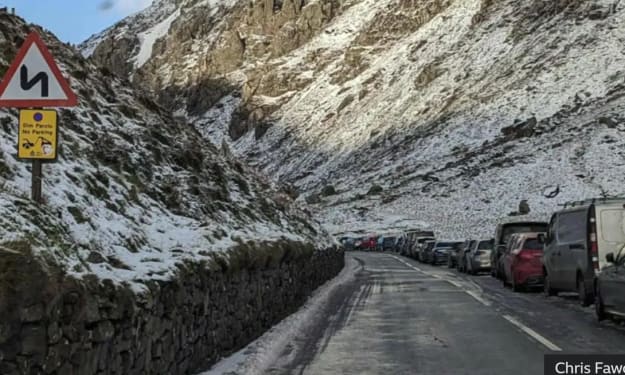
Heavy snowfall may transform beauty spots into winter wonderlands, but it also brings serious risks when visitors ignore basic safety and parking rules. Police have issued a strong warning against what they describe as “ridiculous” parking at a popular beauty spot, after snow disruption led to blocked roads, stranded vehicles, and delayed emergency access. As wintry conditions continue to affect travel, authorities are urging the public to prioritise safety over scenic photographs, reminding drivers that poor parking decisions can have life-threatening consequences during severe weather. Snowfall Turns Scenic into Hazardous The recent spell of snow attracted large numbers of visitors eager to enjoy picturesque landscapes blanketed in white. Hillsides, national parks, and rural viewpoints quickly became hotspots for walkers, families, and amateur photographers. However, police say the surge in visitors coincided with widespread parking chaos. Cars were left abandoned on narrow roads, grass verges, gateways, and even blocking access routes meant for emergency vehicles and local residents. What may appear to drivers as a harmless decision to “park for just a few minutes” can quickly escalate into a major safety issue—especially when snow and ice reduce road space and visibility. Police Response and Public Warning Local police forces have taken to social media and public statements to express frustration at the situation. Officers described some parking behaviour as not only irresponsible but dangerous, particularly given the weather conditions. Police warned that emergency vehicles, including ambulances and mountain rescue teams, were struggling to reach areas due to blocked roads. In severe weather, response times are already under pressure, and illegally parked vehicles can mean the difference between life and death. Authorities have also made it clear that enforcement action will be taken where necessary. Drivers risk fines, towing, and penalty points if their vehicles obstruct roads or endanger others. Impact on Emergency Services One of the most serious consequences of poor parking during snow disruption is its impact on emergency services. Narrow rural roads, already difficult to navigate in icy conditions, become completely impassable when cars are parked irresponsibly. Fire crews, paramedics, and rescue teams rely on clear access routes, particularly in popular beauty spots where accidents such as slips, falls, or stranded walkers are more likely in winter conditions. Police stressed that emergency vehicles do not have the luxury of “finding another way around” when roads are blocked. Delays caused by inconsiderate parking put both responders and the public at risk. Local Residents Left Frustrated It is not only emergency services that are affected. Residents living near popular beauty spots often bear the brunt of snow-related disruption. Driveways are blocked, access to homes becomes difficult, and essential journeys for work, medical appointments, or supplies are delayed. Many locals report feeling ignored by visitors who treat rural communities like seasonal attractions rather than lived-in areas. During winter weather, this frustration is magnified, as residents may already be dealing with power outages, poor road conditions, and limited access to services. Police have echoed these concerns, reminding visitors that beauty spots are often surrounded by working communities, not just open spaces for leisure. Why Snow Makes Parking More Dangerous Snow significantly reduces road safety margins. It narrows carriageways, hides road markings, and makes verges unstable. A car parked partly on a road might seem manageable in normal conditions, but in snow it can create blind corners, force vehicles into oncoming traffic, or cause skidding accidents. Additionally, snowploughs and gritters require space to operate effectively. Poorly parked vehicles can prevent these essential services from clearing roads, prolonging disruption for everyone. Authorities warn that even experienced drivers can underestimate how quickly conditions can change in winter weather. Social Media and the “Snow Day” Effect Police have also pointed to social media as a contributing factor. Viral images of snow-covered landscapes often encourage spontaneous trips without proper planning. People see beautiful photos and head out without considering parking availability, road conditions, or weather warnings. This “snow day” mentality can overwhelm rural infrastructure not designed for large volumes of traffic, particularly during adverse weather. Police urge visitors to check local advice before travelling and to be prepared to turn back if conditions are unsafe. Advice for Safe Winter Visits In response to the ongoing disruption, authorities have shared clear guidance for anyone planning to visit beauty spots during snowy conditions: Avoid unnecessary travel during severe weather warnings Park only in designated areas, never on roads or verges Do not block gateways, tracks, or emergency access routes Check weather and road conditions before setting off Be prepared to leave if parking is unavailable Police emphasise that no photograph or short walk is worth risking lives or causing serious disruption. Enforcement and Accountability While officers prefer to rely on public cooperation, they have confirmed that enforcement will be stepped up if irresponsible behaviour continues. Vehicles may be ticketed or removed, particularly if they pose a danger or obstruction. Authorities stress that enforcement is not about spoiling enjoyment but about ensuring public safety. Winter conditions demand higher levels of responsibility from drivers, not less. A Shared Responsibility Snow transforms landscapes, but it also tests public behaviour. Police warnings against “ridiculous” parking are not just expressions of frustration—they are urgent reminders that safety must come first. Enjoying nature is a privilege, not a right, especially during extreme weather. By parking responsibly and respecting local communities, visitors can help ensure that beauty spots remain accessible, emergency services remain effective, and winter days do not turn into preventable disasters. As snow disruption continues, the message from police is clear: think before you park, or don’t park at all
By Muhammad Hassan7 days ago in Earth



Comments
There are no comments for this story
Be the first to respond and start the conversation.