
The Role of Artificial Intelligence in Energy Resources Management
Artificial intelligence (AI) is rapidly transforming the energy industry, with the potential to revolutionize the way we generate, distribute, and use energy.
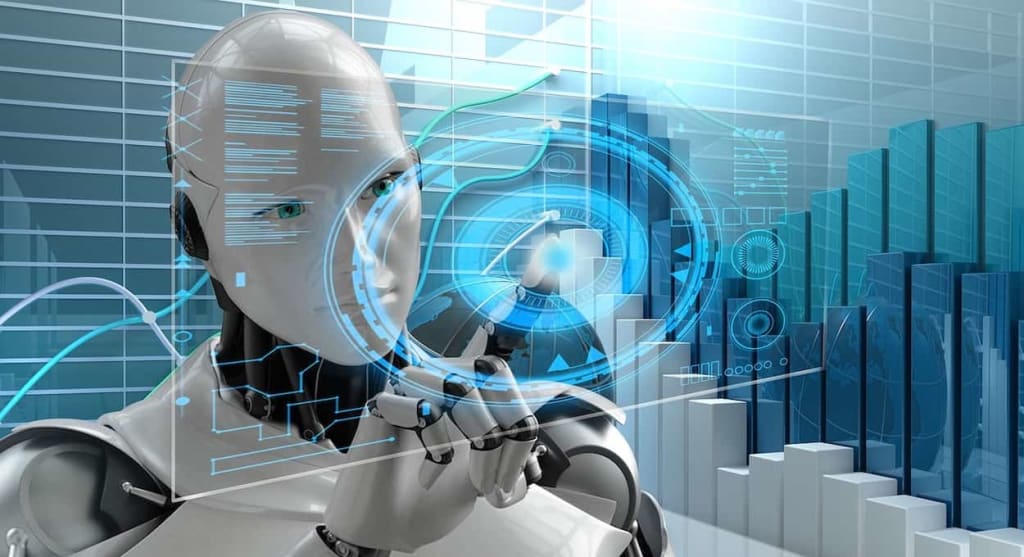
Artificial intelligence (AI) is rapidly transforming the energy industry, with the potential to revolutionize the way we generate, distribute, and use energy. AI-powered solutions are already being used to improve energy efficiency, optimize grid operations, and integrate renewable energy sources into the grid.
Energy Efficiency
One of the most promising applications of AI in the energy industry is energy efficiency. AI can be used to analyze large amounts of data to identify opportunities for energy savings. For example, AI can be used to monitor building occupancy patterns and adjust HVAC systems accordingly. AI can also be used to optimize industrial processes and reduce energy consumption.
Grid Operations
AI is also being used to improve grid operations. AI-powered solutions can be used to monitor grid conditions in real time and identify potential problems. AI can also be used to optimize the flow of electricity on the grid, which can help to reduce outages and improve reliability.
Renewable Energy Integration
The integration of renewable energy resources management , such as solar and wind, into the grid is a major challenge. AI can help to address this challenge by optimizing the scheduling of renewable energy generation and by predicting demand for electricity. AI can also be used to develop new ways to store and distribute renewable energy.
Other Applications
In addition to the applications mentioned above, AI is also being used in the energy industry for a variety of other purposes, such as:
- Predictive maintenance: AI can be used to predict when equipment is likely to fail, so that preventive maintenance can be performed. This can help to avoid costly outages and improve the reliability of energy resource management systems.
- Fraud detection: AI can be used to detect fraudulent energy usage, such as tampering with meters or stealing electricity. This can help to reduce losses and protect the integrity of the grid.
- Customer engagement: AI can be used to provide personalized energy insights to customers and help them to reduce their energy consumption. This can help to improve customer satisfaction and encourage the adoption of renewable energy.
The Future of AI in Energy:
As AI technologies continue to develop, we can expect to see even more applications of AI in the energy sector in the years to come. Here are some of the ways that AI is likely to impact the energy industry in the future:
- More efficient energy production: AI can be used to optimize the operation of power plants, reduce energy losses, and develop new, more efficient ways to generate energy. For example, AI can be used to predict when equipment is likely to fail, so that preventive maintenance can be performed. This can help to avoid costly outages and improve the reliability of energy systems.
- Smarter grids: AI can be used to make our power grids more intelligent and resilient. For example, AI can be used to monitor grid conditions in real time and identify potential problems. AI can also be used to optimize the flow of electricity on the grid, which can help to reduce outages and improve reliability.
- Greater use of renewable energy: AI can help to integrate renewable energy sources, such as solar and wind, into the grid. For example, AI can be used to predict demand for electricity and optimize the scheduling of renewable energy generation. AI can also be used to develop new ways to store and distribute renewable energy.
- More personalized energy services: AI can be used to provide personalized energy insights to customers and help them to reduce their energy consumption. This can help to improve customer satisfaction and encourage the adoption of renewable energy.
The future of AI in the energy and resource management industry is very promising. As AI technologies continue to develop, they will be able to address even more challenges in the energy sector. AI has the potential to make our energy systems more efficient, reliable, and sustainable.
Challenges
While the potential benefits of AI in the energy industry are significant, there are also some challenges that need to be addressed. One challenge is the lack of data. In order to train AI models, large amounts of data are needed. However, this data is not always available, especially in developing countries.
Another challenge is the cost of AI solutions. AI-powered solutions can be expensive to develop and implement. This can be a barrier for some organizations, especially small businesses.
Conclusion
Despite the challenges, the potential benefits of AI in the energy industry are significant. AI has the potential to make our energy systems more efficient, reliable, and sustainable. As AI technologies continue to develop, we can expect to see even more applications of AI in the energy sector in the years to come.
About the Creator
Keep reading
More stories from ierminstituteseo and writers in Earth and other communities.
The Ethics of Energy: How We Should Think About the Use of Energy Resources Management
Energy is essential to modern life. We use it to power our homes, businesses, and transportation systems. But the way we produce and use energy has a significant impact on the environment and on society.
By ierminstituteseo3 years ago in Earth



Comments
There are no comments for this story
Be the first to respond and start the conversation.