
The Rise of Plant-Based Diets: Health, Sustainability, and Flavor
plant-based diets, veganism, healthy eating

In recent years, there has been a significant rise in the popularity of plant-based diets. More and more people are embracing a lifestyle that focuses on consuming predominantly plant-based foods while reducing or eliminating animal products. This shift in dietary choices is driven by various factors, including health concerns, environmental consciousness, and a desire for diverse and flavorful culinary experiences. In this article, we will explore the rise of plant-based diets, highlighting their health benefits, environmental impact, and the exciting array of flavors and culinary possibilities they offer.
The Health Benefits of Plant-Based Diets:
Plant-based diets have been associated with numerous health benefits. Studies have shown that adopting a plant-based eating pattern can lower the risk of chronic diseases such as heart disease, type 2 diabetes, and certain types of cancer. Plant-based foods are typically rich in fiber, vitamins, minerals, and antioxidants, which support overall well-being and contribute to a balanced and nutritious diet. Additionally, plant-based diets can help in weight management and promote healthy digestion.
Sustainability and Environmental Impact:
The environmental impact of animal agriculture has become a growing concern. Livestock production contributes significantly to greenhouse gas emissions, deforestation, and water pollution. By shifting to plant-based diets, individuals can reduce their carbon footprint and contribute to a more sustainable future. Plant-based foods require fewer resources, such as land and water, to produce compared to animal-based foods. Embracing plant-based diets can help preserve natural resources, protect biodiversity, and mitigate the effects of climate change.
Exploring Flavorful Plant-Based Cuisine:
One common misconception about plant-based diets is that they are bland or lacking in flavor. On the contrary, plant-based cuisine offers a vast and exciting range of flavors, textures, and culinary experiences. With the increasing popularity of plant-based eating, chefs and food enthusiasts have been experimenting with innovative and delicious plant-based recipes. From vibrant salads and hearty grain bowls to creative plant-based alternatives for meat and dairy products, the possibilities are endless. The use of herbs, spices, and plant-based condiments adds depth and complexity to dishes, creating a culinary adventure for those exploring plant-based diets.
Plant-Based Proteins:
Protein is an essential nutrient, and plant-based diets can provide an abundant and diverse range of protein sources. Legumes such as lentils, chickpeas, and beans are excellent plant-based protein options. Additionally, soy products like tofu and tempeh, as well as seitan and quinoa, offer complete protein profiles. Incorporating a variety of plant-based proteins into meals ensures that individuals meet their daily protein requirements while enjoying a wide range of flavors and textures.
Plant-Based Diets for All Ages:
Contrary to some misconceptions, plant-based diets can be suitable and beneficial for individuals of all ages, including children and older adults. With proper planning and attention to nutritional needs, plant-based diets can provide all the necessary nutrients for healthy growth and development in children. For older adults, plant-based diets can support healthy aging, reduce the risk of chronic diseases, and improve overall vitality and well-being.
Overcoming Challenges and Building a Balanced Plant-Based Diet:
Transitioning to a plant-based diet may come with challenges, especially for those accustomed to a traditional Western diet. It's important to approach the shift gradually, focusing on incorporating more plant-based foods into meals. Building a balanced plant-based diet involves ensuring an adequate intake of key nutrients such as vitamin B12, iron, calcium, omega-3 fatty acids, and vitamin D through plant-based sources or appropriate supplements. Consulting with a registered dietitian or nutritionist can provide personalized guidance and support during the transition.
Embracing a Plant-Based Lifestyle:
The rise of plant-based diets extends beyond individual food choices. It has paved the way for a broader lifestyle shift that encompasses sustainable fashion, cruelty-free products, and conscious consumerism. Plant-based eating has become a global movement driven by the desire to protect the environment, promote animal welfare, and improve personal well-being.
The rise of plant-based diets reflects a growing awareness of the interconnectedness between personal health, sustainability, and flavor. Embracing a plant-based lifestyle offers numerous benefits, including improved health outcomes, reduced environmental impact, and an abundance of exciting culinary options. As the popularity of plant-based diets continues to soar, it is evident that this dietary shift is more than just a passing trend; it is a significant step towards a healthier, more sustainable, and flavorful future.
About the Creator
Keep reading
More stories from Ignat Stefana and writers in Earth and other communities.
Unveiling the Hidden Wonders of the Amazon Rainforest
The Amazon rainforest is a breathtaking and awe-inspiring ecosystem that covers a vast expanse of South America. It is often referred to as the "Lungs of the Earth" due to its crucial role in global climate regulation and biodiversity conservation. Beyond its ecological significance, the Amazon rainforest holds a treasure trove of hidden wonders that continue to captivate explorers, scientists, and nature enthusiasts alike. In this article, we will delve into the depths of the Amazon rainforest, unveiling its remarkable biodiversity, indigenous cultures, unique ecosystems, and ongoing conservation efforts.
By Ignat Stefana3 years ago in Earth
Kyrsten Sinema Panel Interrupted by Men Claiming Affairs Amid Fresh Lawsuit
Former U.S. Senator Kyrsten Sinema faced a strange and uncomfortable moment during a public policy panel in Salt Lake City on January 16, 2026. Two men in the audience interrupted the discussion, loudly claiming they were having affairs with her. The incident occurred just days after Sinema became the subject of a civil lawsuit alleging she was romantically involved with a married member of her former Senate security team.
By Aarif Lashari4 days ago in Earth
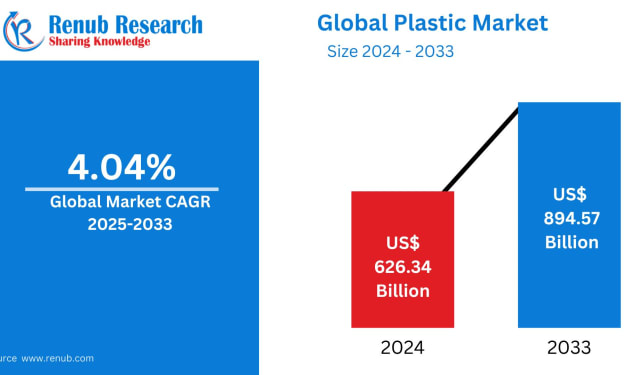
Global Plastic Market Size and Forecast 2025–2033: Innovation, Sustainability, and the Future of a $894 Billion Industry
Introduction: A Market That Touches Every Industry The global plastics industry remains one of the most influential pillars of modern manufacturing, supporting everything from food packaging and construction to healthcare, automotive, and electronics. Despite growing environmental scrutiny, plastics continue to evolve, adapt, and expand—driven by technological innovation, economic growth in emerging markets, and the urgent shift toward recyclable and biodegradable materials.
By Janine Root 5 days ago in Earth



Comments
There are no comments for this story
Be the first to respond and start the conversation.