
The Rise of Giant Rats: What’s Lurking in Britain's Backyards?
What a 22-inch rat found in a quiet Yorkshire home reveals about the UK's crumbling pest control system.

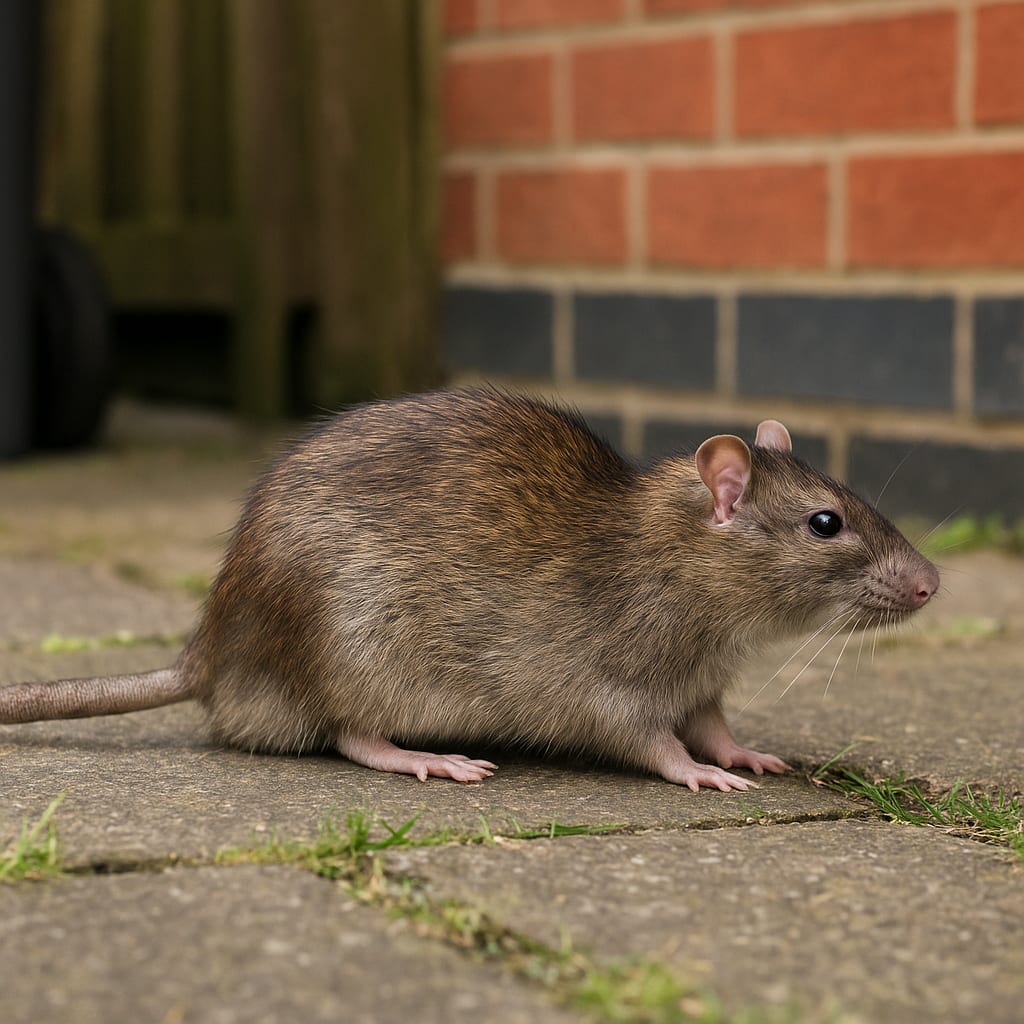
When a pest control technician recently stepped into a quiet house in Normanby, North Yorkshire, he wasn’t prepared for what he found. Inside a wall cavity, hidden from view, was a rat unlike any local resident had ever seen — measuring a staggering 22 inches from nose to tail, roughly the size of a small cat. For the family living there, it was a shock. For the rest of Britain, it’s a warning sign.
Giant rats are no longer the stuff of urban legend or horror stories. They’re becoming an increasingly common sight across towns and cities, sneaking through backyards, rummaging in bins, and sometimes even invading homes. But these rodents aren’t just bigger; they symbolize a much deeper issue — the gradual collapse of the UK’s local pest control infrastructure.
The Growing Rodent Problem
To most people, a rat is a rat — a pest to shoo away, a nuisance at worst. But the rats now appearing in parts of the UK tell a different story. Brown rats, the common variety, usually grow to about 10 inches in body length. These new giant specimens, however, are reportedly over twice that size. Such scale is unusual and alarming.
Experts say that plentiful food sources are partly to blame. Overflowing bins, discarded food waste, and poorly managed refuse create an all-you-can-eat buffet for these rodents. But the problem goes deeper. The UK’s pest control services, especially at the local council level, have faced severe budget cuts in recent years. This means fewer routine checks, slower responses to infestations, and less public education about preventing rodent outbreaks.
Without the safety net of effective, affordable pest control, rats are free to breed and grow unchecked — turning what was once a manageable nuisance into a growing public health threat.
Why Size Matters
It might be tempting to dismiss rats as simply gross or annoying. But these giant rats bring real dangers with them. Larger rodents can carry more pathogens and tend to be more aggressive, increasing the risk of bites and spreading diseases like leptospirosis, salmonella, and hantavirus.
Moreover, these oversized rats can cause significant property damage. Their strong teeth can chew through electrical wiring, leading to fire hazards, as well as damage insulation, pipes, and wooden structures. The economic cost to homeowners and businesses is mounting.
The fact that such large rats are thriving indoors and close to human populations signals that the issue isn’t just about pests but about the environment humans are creating for them.
The Impact of Budget Cuts
In many areas, local authorities have slashed funding for pest control in the past decade. Once a core public service, pest control is increasingly seen as a “luxury” rather than a necessity. Residents often face high charges for private pest control services, making it less accessible for many households.
Councillors from areas like Redcar & Cleveland have spoken out, blaming these cutbacks for the surge in rat sightings and infestations. Without regular inspections and community-wide action, rats find it easier to multiply and grow bigger than ever before.
Experts warn that this neglect can create a vicious cycle. As rats become harder to eradicate, residents become fearful and frustrated, but lack affordable options to deal with the problem effectively. This creates conditions where rodents continue to thrive unchecked.
What Residents Can Do
While local authorities hold much responsibility, residents aren’t powerless. There are steps that households can take to reduce the risk of giant rat infestations:
Secure bins tightly and dispose of food waste promptly to avoid attracting rodents.
Clear overgrown vegetation and rubbish where rats might hide or nest.
Seal cracks and holes around doors, windows, and foundations to deny rodents entry into homes.
Report sightings promptly to local council services so they can target hotspots.
Consider professional pest control if signs of infestation appear, especially if you spot unusually large rats.
Public awareness and community action can help stem the tide until larger, systemic solutions are put in place.
A Wake-Up Call for Britain
The giant rat found in that quiet Yorkshire home isn’t an isolated oddity. It’s a symbol of a growing crisis that’s quietly unfolding in towns and cities across the UK. These rats are thriving in an environment shaped by human neglect — overflowing bins, budget cuts, and a lack of coordinated pest control.
This problem is about more than just rodents. It’s about how communities manage their public health, their infrastructure, and their environment. It’s a reminder that when essential services are underfunded, the consequences can come knocking — or scurrying — right at our doors.
As these giant rats continue to appear, it’s clear that Britain faces a choice: address the underlying causes with renewed investment and community action, or risk living alongside these unwelcome, oversized invaders for years to come.
If you’re seeing rats in your neighborhood, remember: you’re not alone, and action can make a difference. Because the rise of giant rats is more than a headline — it’s a sign of what’s lurking in Britain’s backyards, and what we all need to face.
Thank you for taking the time to read this important story. If you found it eye-opening, please like and share it to help spread awareness. Your thoughts matter — drop a comment below to join the conversation, and don’t forget to follow for more stories that impact our everyday lives.
About the Creator
Kamran Zeb
Curious mind with a love for storytelling—writing what resonates, whatever the topic.
Keep reading
More stories from Kamran Zeb and writers in Earth and other communities.
5 Countries Winning the War Against Global Warming — And What the Rest of Us Can Learn
While headlines often warn of rising seas, melting glaciers, and vanishing wildlife, there’s a less told—but equally powerful—story happening around the world: some countries are actually winning the war against global warming.
By Kamran Zeb7 months ago in Earth
The Reality of the Illusion of Time
Recently, as I strolled along the short stretch to my strength training session, I aimlessly took in the row of tatty shops and shabby buildings along the route and passed an off-street, in which one of my sisters used to live, around thirteen years ago.
By Chantal Christie Weiss5 days ago in Earth
Chameleon: Nature’s Master of Disguise
Few creatures in the animal kingdom capture the imagination quite like the chameleon. Known for its ability to change color, its slow, deliberate movements, and its incredible eyes that move independently, the chameleon is one of nature’s most extraordinary reptiles. These small but remarkable creatures have inspired scientists, photographers, and animal lovers for centuries.
By Aarif Lashariabout 9 hours ago in Earth
How to Succeed at the Benson Directory®
Congratulations and welcome to the Benson Directory® employee #22391! As our newest call handler, you will have the privilege of speaking with dozens of unique and interesting people on a daily basis as well as the opportunity to earn bonuses for high performance. Contained within this handbook you will find a set of ease to follow instructions designed to help you settle in to your new role and begin paving the way to success.
By S. A. Crawford2 days ago in Fiction




Comments
There are no comments for this story
Be the first to respond and start the conversation.