
𝚃𝚑𝚎 𝙿𝚎𝚛𝚒𝚕𝚜 𝚘𝚏 𝙷𝚞𝚖𝚊𝚗 𝚆𝚊𝚜𝚝𝚎
How I plan on minimizing my carbon footprint!

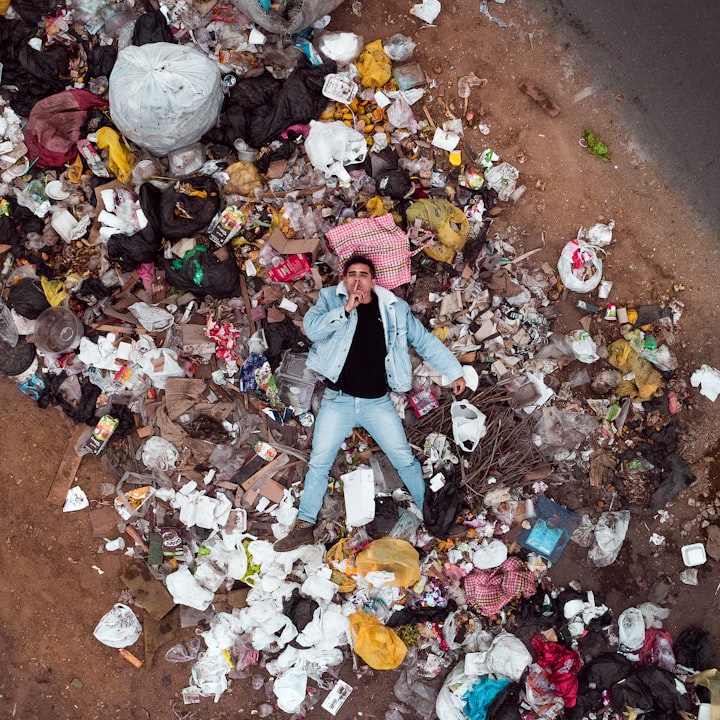
The travel route in which garbage takes after human consumption really worries me. Throwing out my plastic drink cup from a coffee shop doesn't seem like a big deal, until I really think about where its final resting place lies. The cup could end up virtually anywhere, and I was mindlessly going about my days very oblivious to this bad habit. That same cup could float out of the public trash in a bad wind gust, end up being tossed around in the street, or even find itself in Lake Michigan. I had NO IDEA where my trash was actually going, or how it was affecting my environment.
While being in a city, I started to notice all the little actions piling up that lead to my large carbon footprint. I was using up a lot of plastic and paper products in ways that I didn't even think about. For instance, I went through rolls of paper towels within weeks and threw away so many dryer sheets in mini trash bins full of plastic bags. All of these actions could be changed, and yet I stayed being part of a much bigger problem!
According to Active Sustainability, the top 100 major corporations of the world produce around 70% of the emitted pollution we find in our oceans and air quality. Consumers don't necessarily have a huge say in changing this immense practice or creating more sustainable production. However, we have the power to make minor changes for our hometowns and our cities!
Even with these minor changes to shifting how much waste we create, it can tremendously help the organisms and plants in which we coexist with. In order to begin an effective plan for being mindful of my trash, I had to revaluate how I was moving around in daily life.
Breaking Down My Garbage:
If I had to really think about where my personal waste was ending up, I needed to break it down into categories. This analysis is a great way to compartmentalize my own impact on the environment. It gets me thinking about how I can proceed to change my ways for the future!

In the chart above, you'll notice 4 main categories: recycling centers, reusing materials, composting, and landfills. These terms are used to describe how I believe my waste is being disposed of, and what my activity has been like!
Let's take a look:
- Reusing Materials: 20%
- Recycling Centers: 10%
- Composting: 5%
- Landfills: 65%
A huge chunk of my garbage includes paper, plastic, old food, and bottles from makeup products or other hygeine necessities. Around 65% of this probably ends up in a landfill somewhere. My garbage is most likely leaking into water systems, left to rot in piles, or even being burned. Only 35% of my recycling activity is actually beneficial, as I have infrequently made an effort to recycle materials, bring my supplies to local centers, or practice composting with a garden. These tasks are done only if I remember to do so!
So, how do I change these behaviors? By brainstorming a whole new vision!

Referring to the pie chart above, you will see a brand new layout of my hopes for changing my carbon footprint. Reusing my materials, researching animal health, and figuring out all the connections I have to an urban environment will greatly improve my understanding of the environment.
Reusing materials can look like keeping food containers as planters instead of throwing them out, or even saving my shampoo bottles for future art projects! By lessening the amount of times I need to throw away garbage, there will be less of a need to buy plastic bags for trash or worry about the mass amount of plastic being put back out into the world.
But, the two most influential categories of this chart are narrowed down to: urban environmentalism and animal health. In most cities, the temperatures tend to be much hotter in the summer months because of the concrete infrastructure. To reduce the amount of waste in buying fruit or produce in plastic containers at the store, creating mini gardens in your home can be a much better alternative! By having more plants around, it actually helps cool the air and provide more of a natural setting to your square space. Making an effort with your community to maintain gardens, floral decor, or even planting more trees can make the air a little brighter!
In regards to researching the health of our fellow animal residents, whether it be in a city like Chicago or a suburban lifestyle, creatures dwell everywhere. By connecting with these organisms on a new level, you become more motivated for the cause! Having empathy for life around you, knowing their health needs, and understanding their body systems is a positive change to your daily routine! Not only is this a cool form of research, but is knowledge that becomes extremely necessary when linking your waste disposal to the well being of all animals.
Reducing my Environmental Impact:
Now that I've come up with a plan for helping oceans and dry lands stay clean, what are the points of action?
To stay true to my word, I've made a list of the things I am doing to keep a clean lifestyle.

My Helpful List for Environmental Mindfulness:
1. Lessening Energy Usage
-Unplug useless electronics, don't leave unnecessary lights on, and avoid being an energy vampire with your chargers!
2. Taking Advantage of CTA/Public Transportation
-Traveling in Uber carpools, taking the train, renting bikes, and even getting on the bus saves on gas from individual cars. Not only is keeping a car expensive, but it releases a lot of pollution. Especially, when a car is being used in a crowded city. If you need to use a car, that is perfectly understandable! However, if you have the option to use public transportation, there is no harm in switching.
3. Supporting Small Businesses
-Small business owners put a lot of hardwork into their craft, and would certainly appreciate you giving them your business! Instead of shopping for shampoo at a major store chain, try getting an eco-friendly shampoo bar that is hand-made with love at a local place! Here are some of my favorite etsy shops you can check out:
4. Avoiding Fast Fashion and Impulse Buys
-I absolutely love fashion, and I am a sucker for the cheap prices of retailers such as Forever 21, Shein, and Romwe. However, fashion trends change and these pieces of clothing may get left to waste. Hundreds of thousands of clothes get shipped to landfills overseas, never get used, and sit in garbage dumps for years. Unfortunately, many clothing can also end up floating around our oceans.
In order to prevent this, try doing things like: buying clothes from small shops, getting them from friends, purchasing from garage sales, and browsing thrift shops in your area.
5. Donating Clothing and Hand-made Art to Houseless Communities
If you have a lot of clothing that is comfy, but no longer serves you, consider donating! Depending on the condition of your clothes, you can always rehome them to folks of your town that are in need. Additionally, if you create art out of old plastic or paper items, they can be displayed for the community or even given as gifts!
Think of steps you can take to not only provide for yourself, but to be aware of those around you!
Hope these ideas can help you get a jump-start on being eco-friendly! (っ◔◡◔)っ ♥ Think of the Earth ♥
About the Creator
Nuclear Transmutation: The Accidental Dream of Making Gold
Picture a laboratory humming with quiet intensity, banks of instruments blinking in the low light, and somewhere inside a shielded reactor chamber, something almost magical is happening. An element is changing. One thing is becoming another. What was mercury is now, atom by atom, becoming gold.
By CurlsAndCommasa day ago in Earth




Comments